Civil War
Battlefields, forts, and the houses where the war began and ended.
10 landmarks across 8 states and the District of Columbia. Start with Gettysburg Battlefield, Fort Sumter and Ford's Theatre.
- Landmarks
- 10
- Period
- 1861–1865
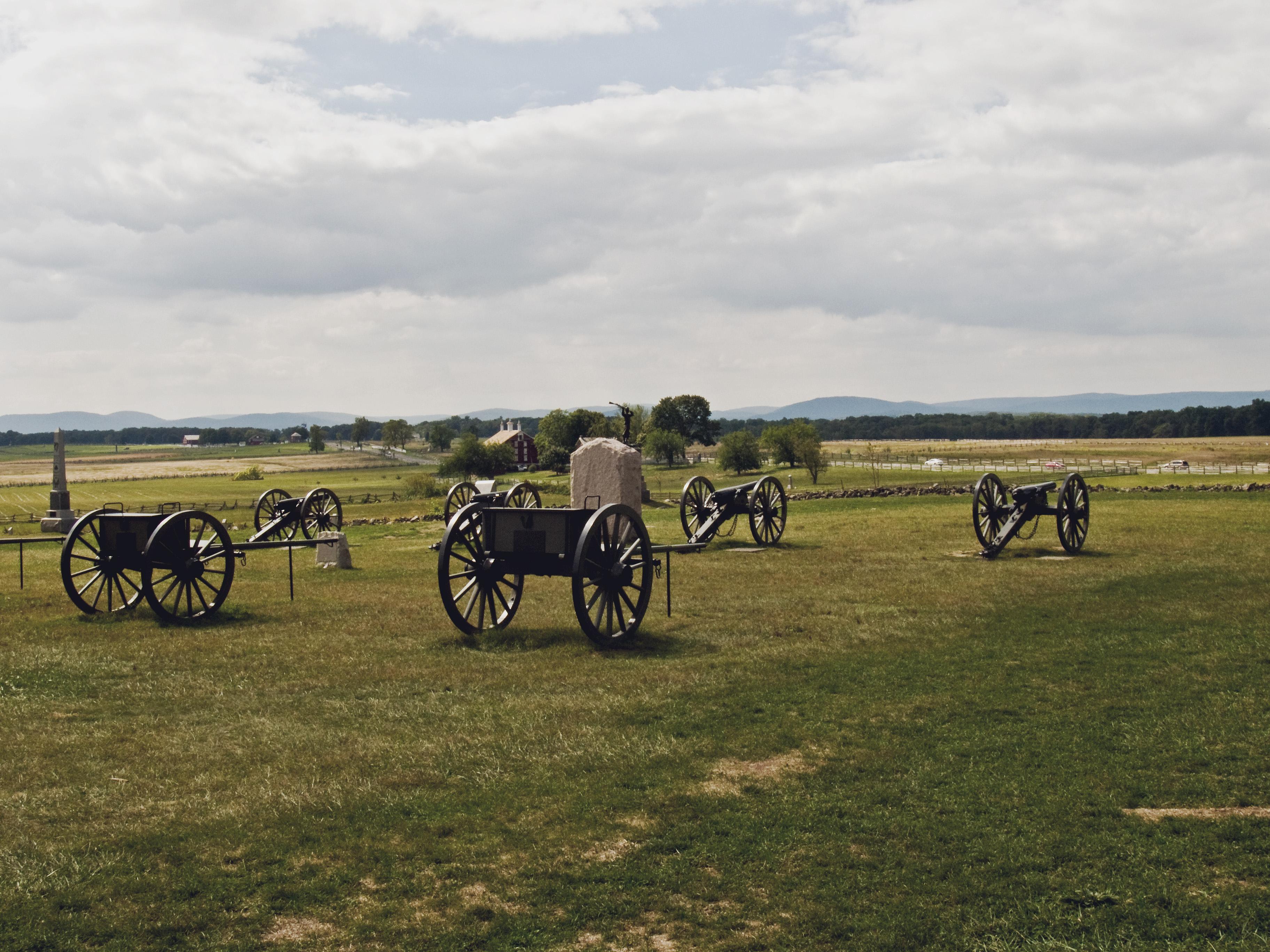
Pictured Gettysburg Battlefield
Dorian Wallender from Lake Havasu City, Arizona, USA · CC BY-SA · via Wikimedia Commons
The Landmarks
- Civil War
Gettysburg Battlefield
Gettysburg, PA
The Battle of Gettysburg, fought July 1–3, 1863, was the largest and bloodiest battle of the American Civil War.
 Civil War
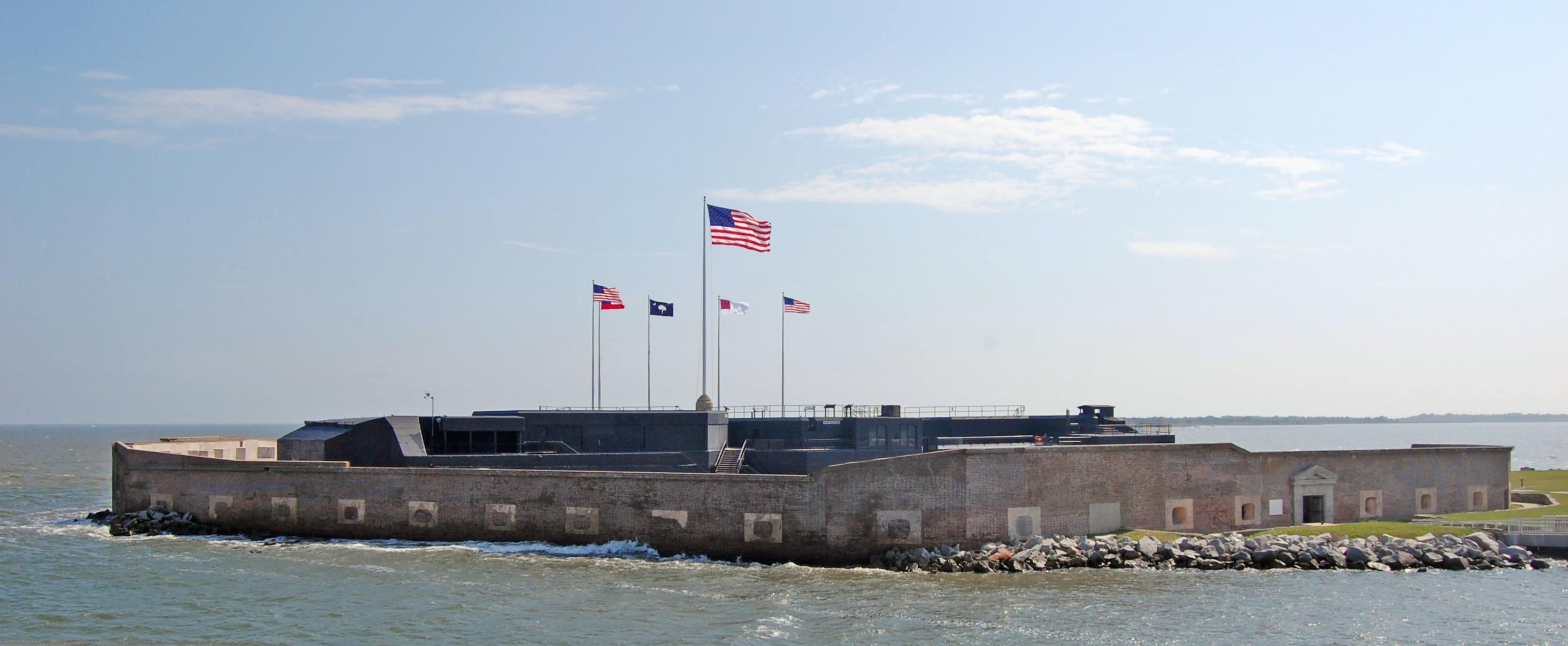
Fort Sumter
Charleston, SC
Fort Sumter is where the American Civil War began.
 Civil War
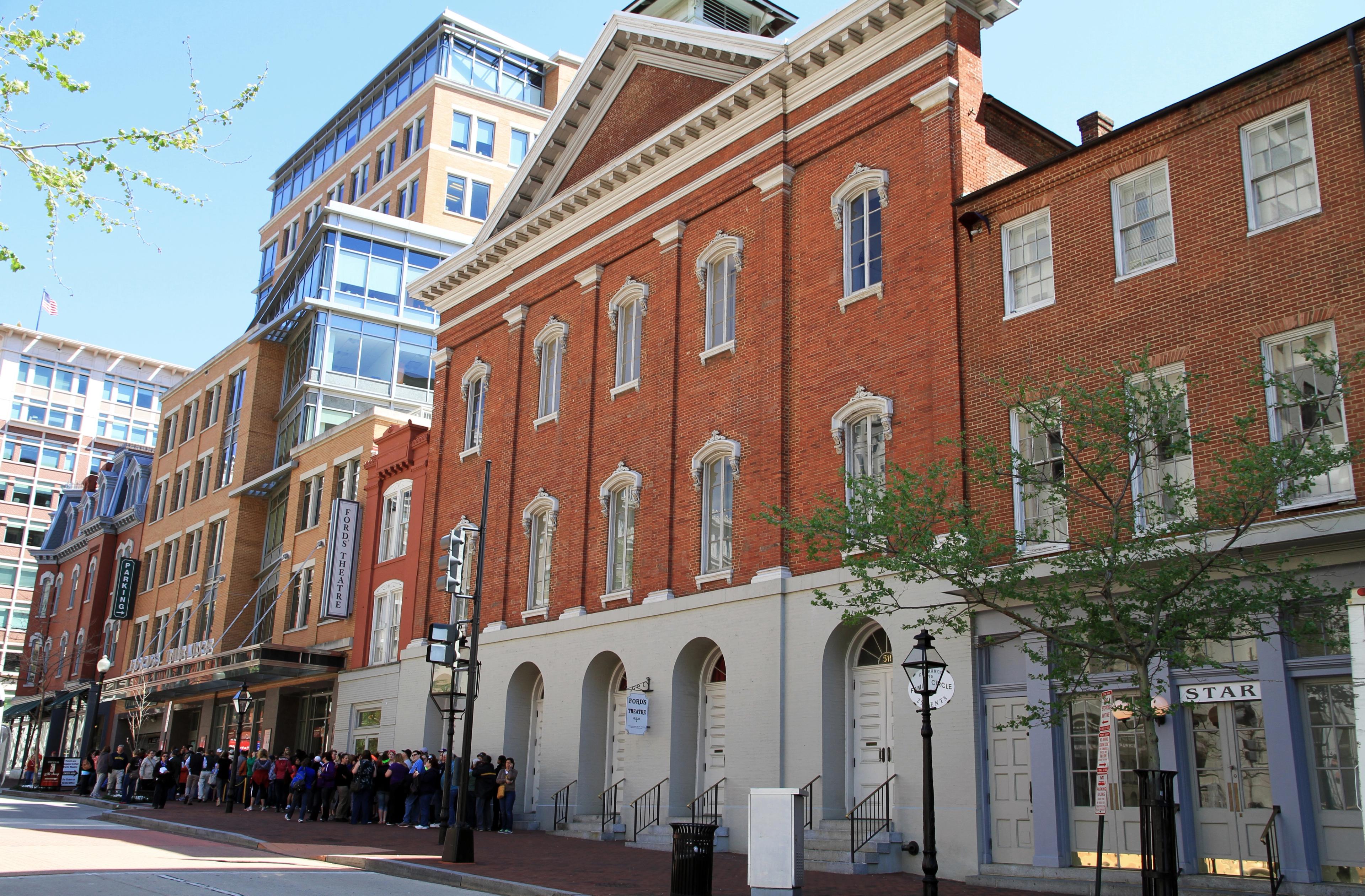
Ford's Theatre
Washington, DC
Ford's Theatre is where the course of American history turned on the night of April 14, 1865.
 Civil War
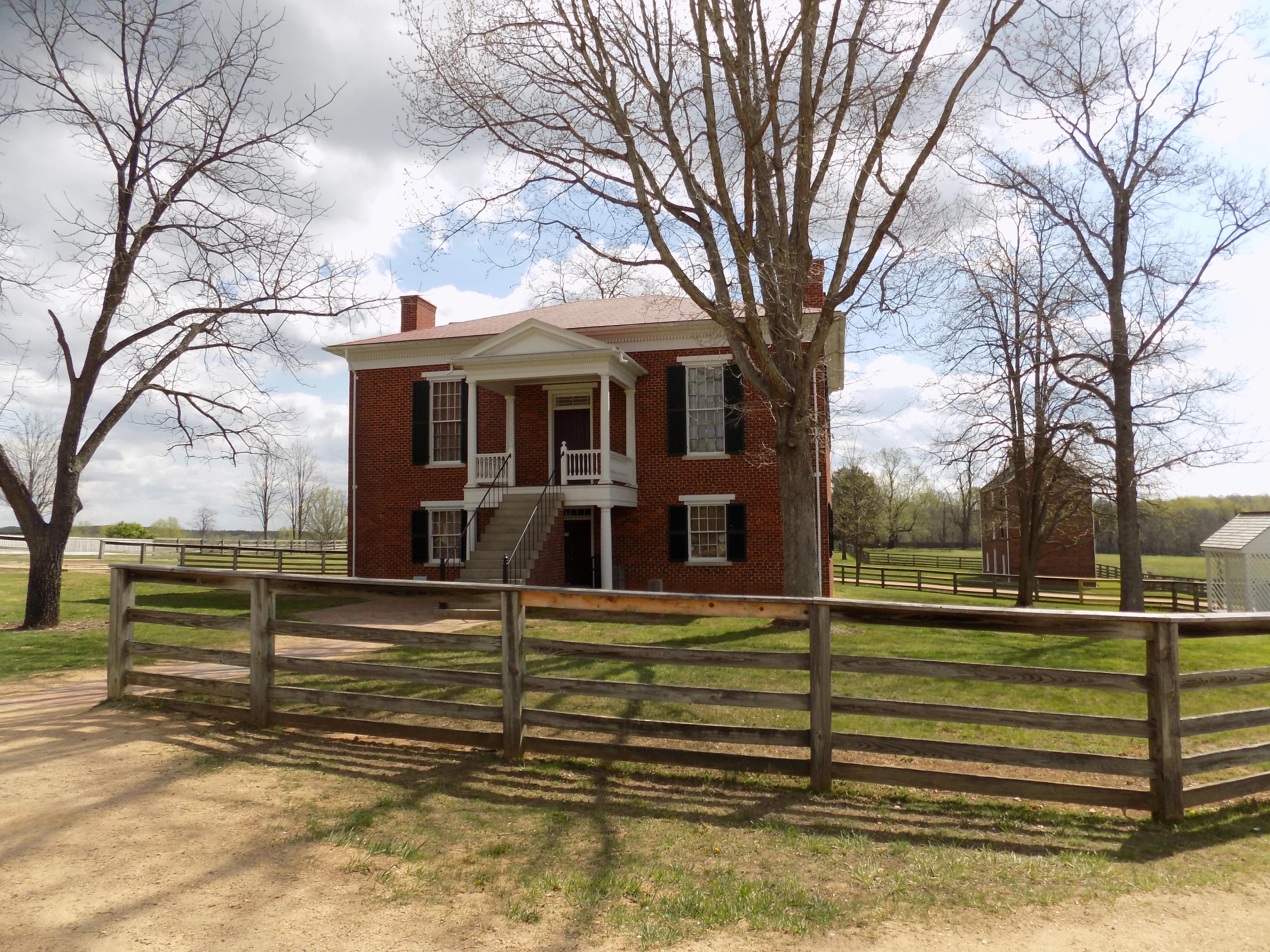
Appomattox Court House
Appomattox, VA
Appomattox Court House is where the American Civil War effectively ended.
 Civil War
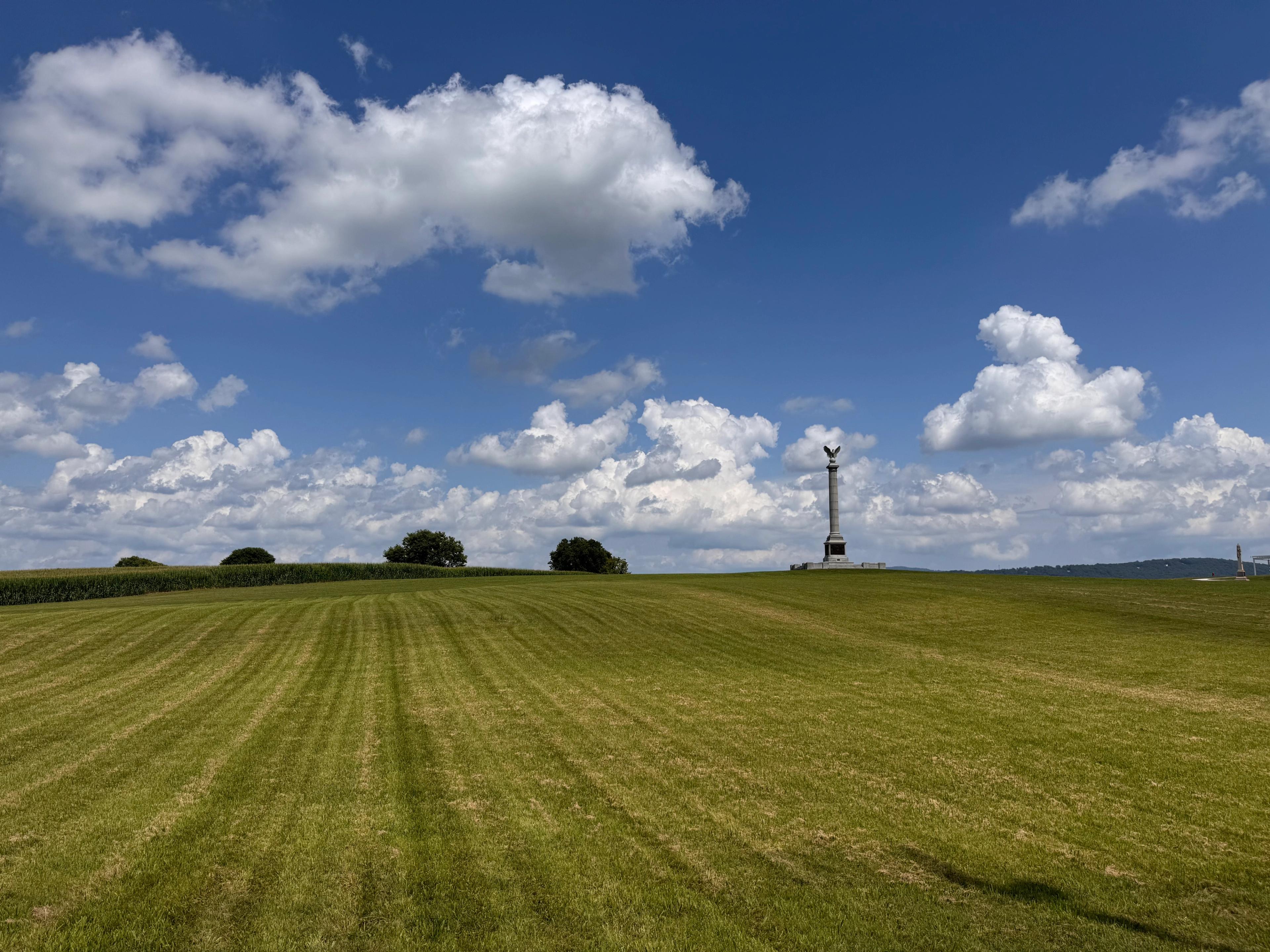
Antietam Battlefield
Sharpsburg, MD
Antietam was the bloodiest single day in American history.
 Civil War
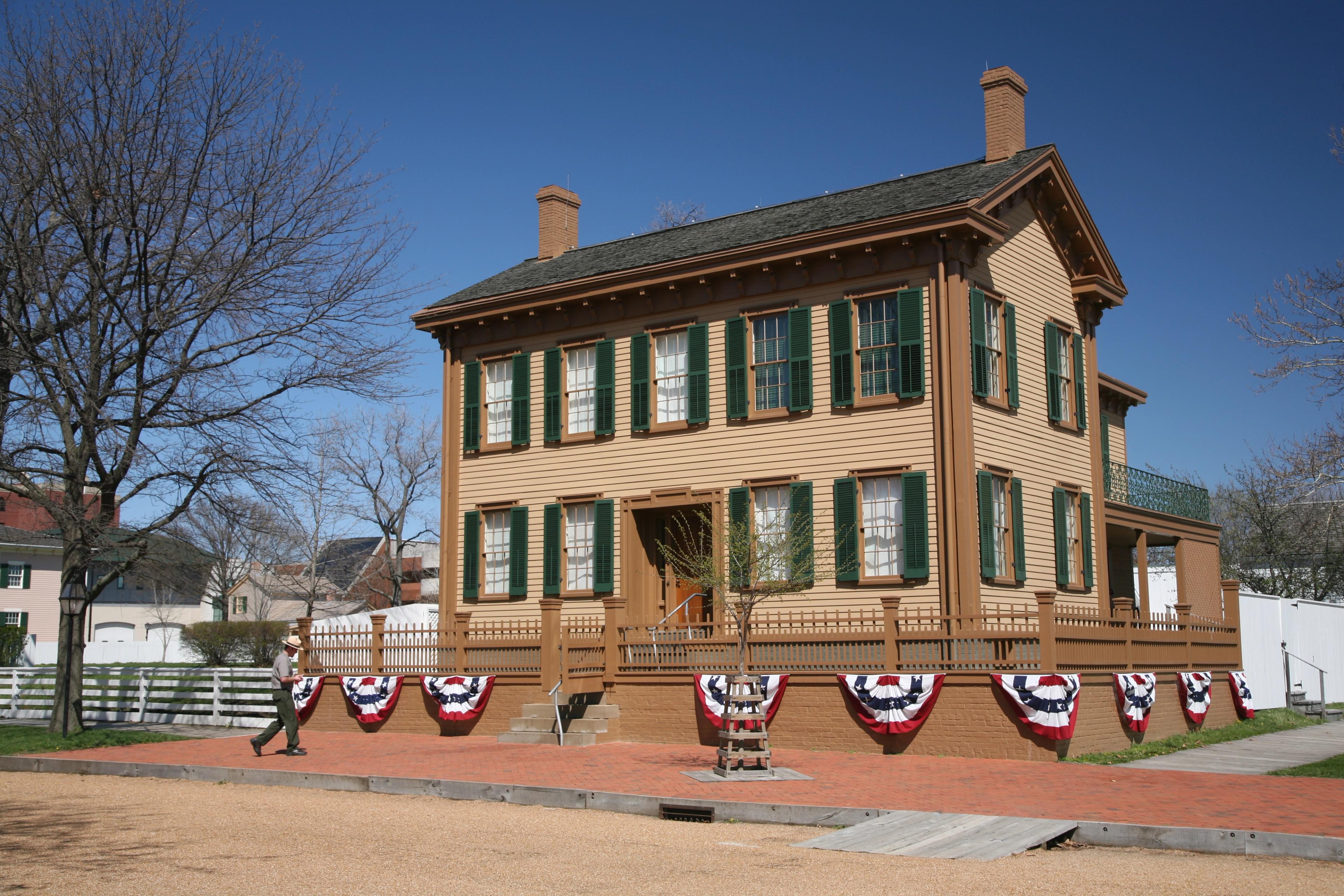
Lincoln Home
Springfield, IL
The Lincoln Home in Springfield, Illinois, is the only home Abraham Lincoln ever owned — the house where he lived for seventeen years as a lawyer, state politician, and family man before the presidency transformed his life and the nation's.
 Civil War
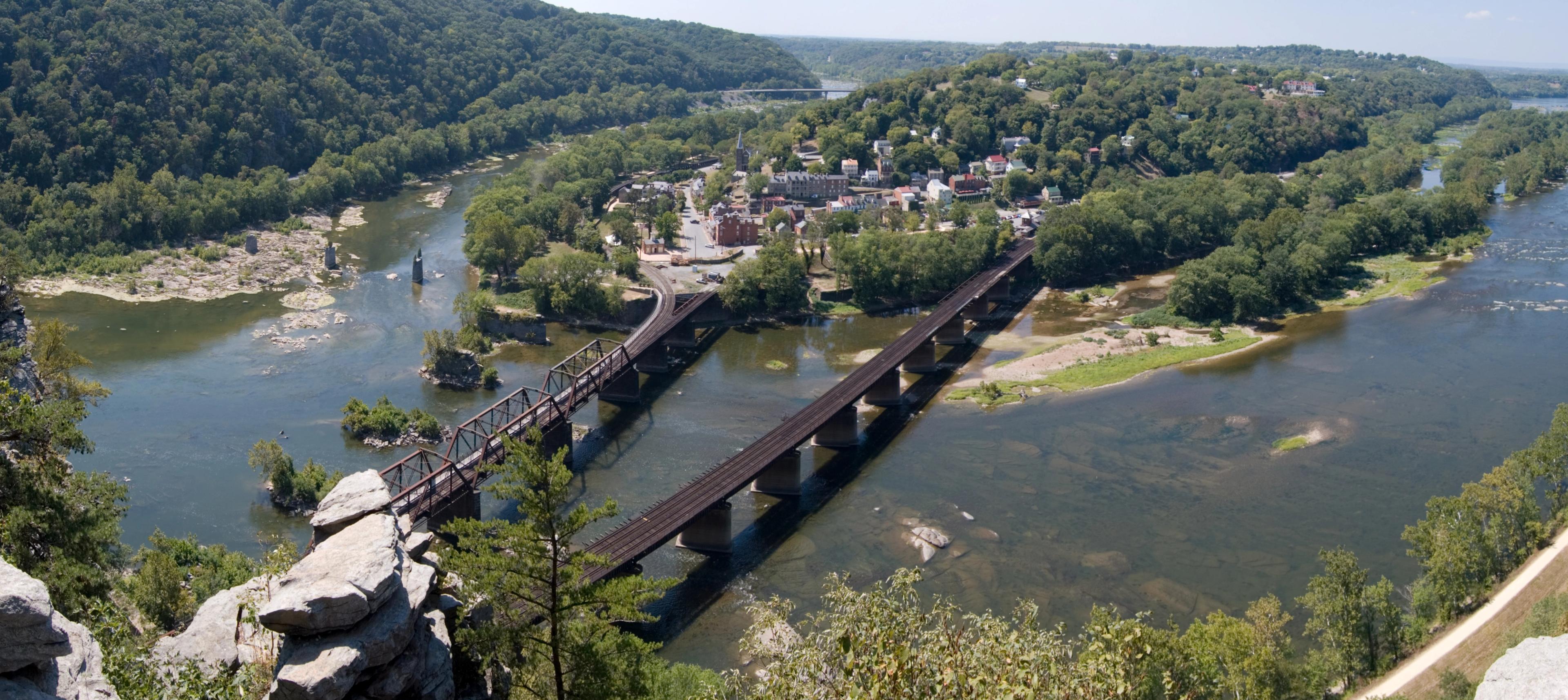
Harpers Ferry
Harpers Ferry, WV
Perched where the Potomac and Shenandoah rivers meet, Harpers Ferry sits at a crossroads of American history.
 Civil War
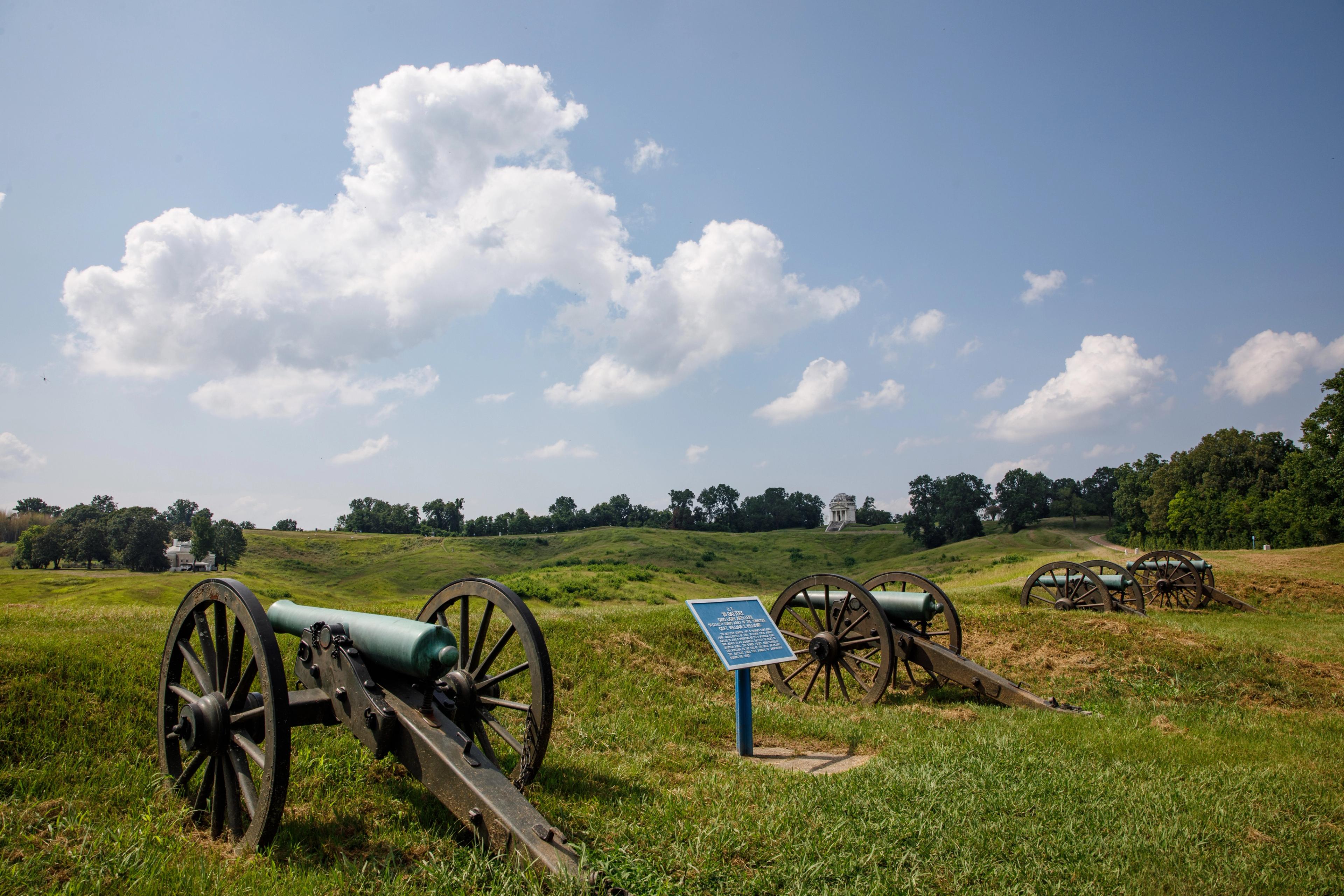
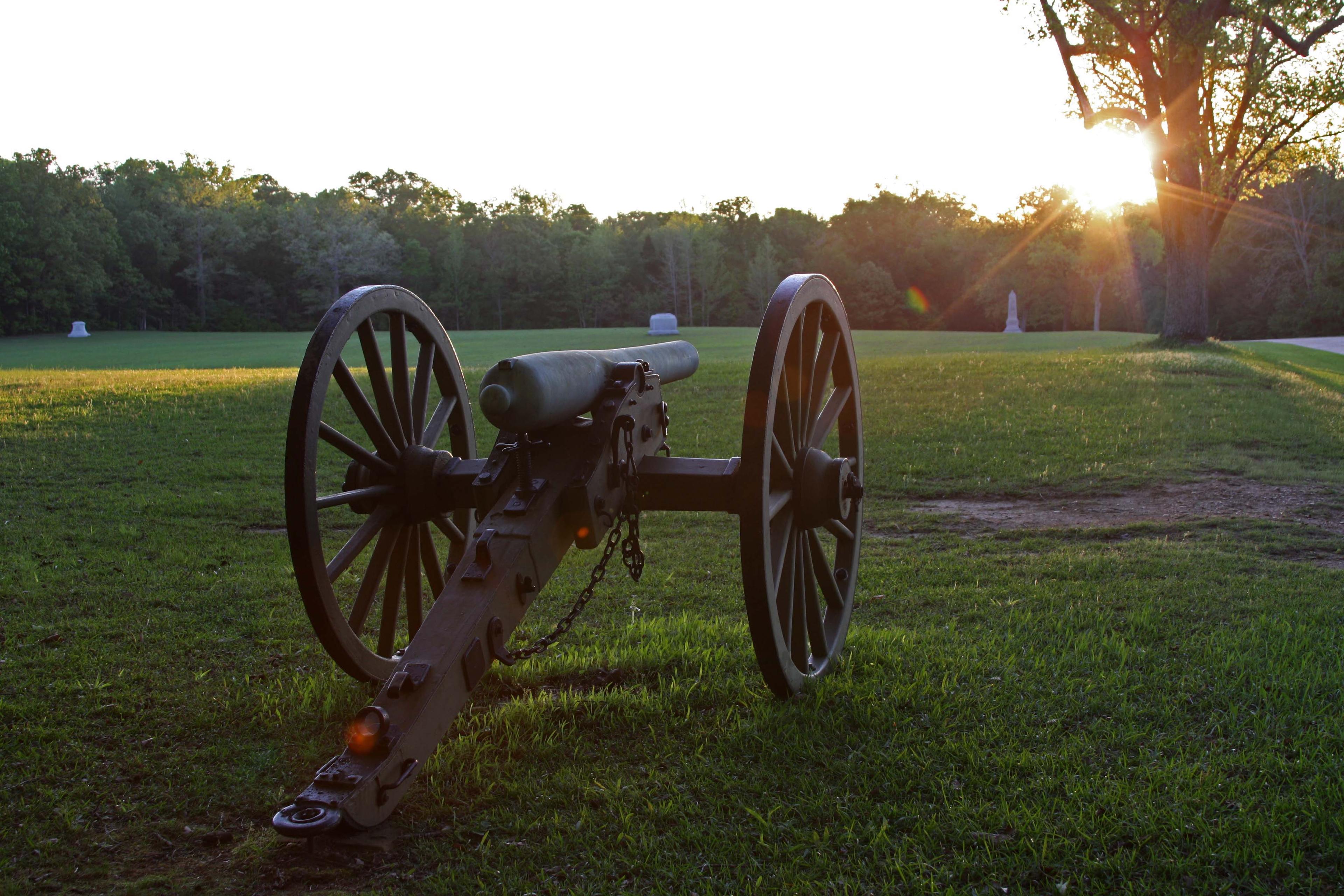
Vicksburg National Military Park
Vicksburg, MS
Vicksburg was the key that unlocked the Confederacy.
 Civil War
Shiloh National Military Park
Shiloh, TN
Shiloh was the battle that ended any illusion that the Civil War would be short or bloodless.
 Civil War
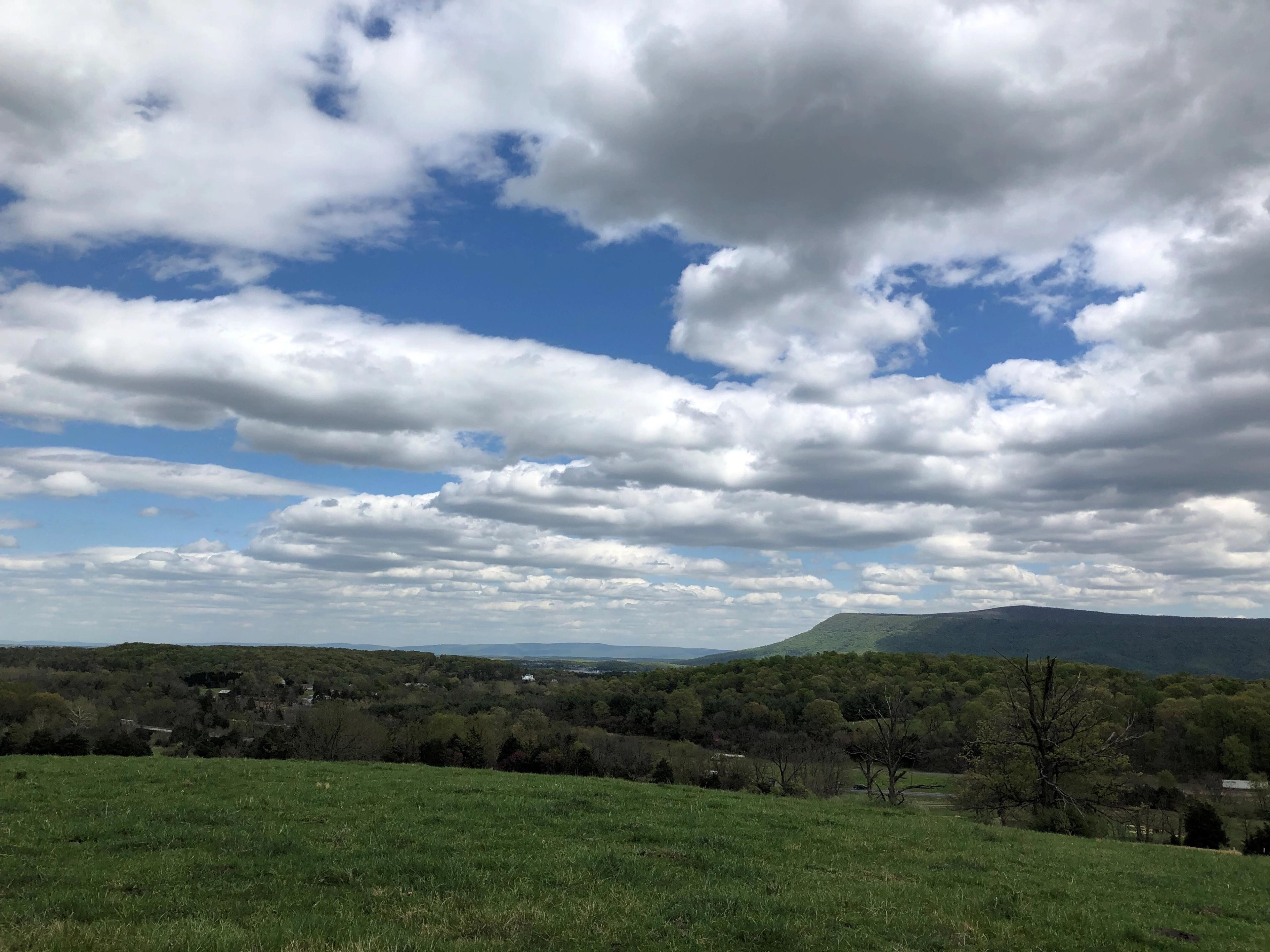
Shenandoah Valley Battlefields
VA
Not one battlefield but an entire valley shaped by war — its fertile farms fed the Confederacy, its terrain gave Stonewall Jackson a legendary campaign, and its systematic burning by Sheridan's cavalry became one of the Civil War's starkest examples of total war against a civilian economy.