- Geological & Natural (Deep time)
- 32.1479° N, 104.5567° W
Carlsbad Caverns
Carlsbad, New Mexico · Established 1923
dconvertini · CC BY-SA · via Wikimedia Commons
Why It Matters
A cave system first noticed because of the bats pouring out of it, explored by a persistent cowboy with a homemade ladder, and now home to one of the largest single cave chambers in North America.
The History
In the late 1800s, guano miners working the Guadalupe Mountains noticed what looked like smoke rising from a hole in the ground at dusk, and investigating found it was actually enormous clouds of bats emerging from a cave entrance. The discovery drew the attention of a young cowboy named Jim White, who began exploring the caverns extensively around 1898 using a homemade wire ladder, venturing deeper into the cave system than anyone had before.
White spent years afterward trying to convince skeptical locals and officials of what he had found underground, eventually leading tours himself and lobbying for the cave's protection. His persistence paid off in 1923, when President Calvin Coolidge designated Carlsbad Cave National Monument, and again in 1930, when Congress upgraded the site to full national park status.
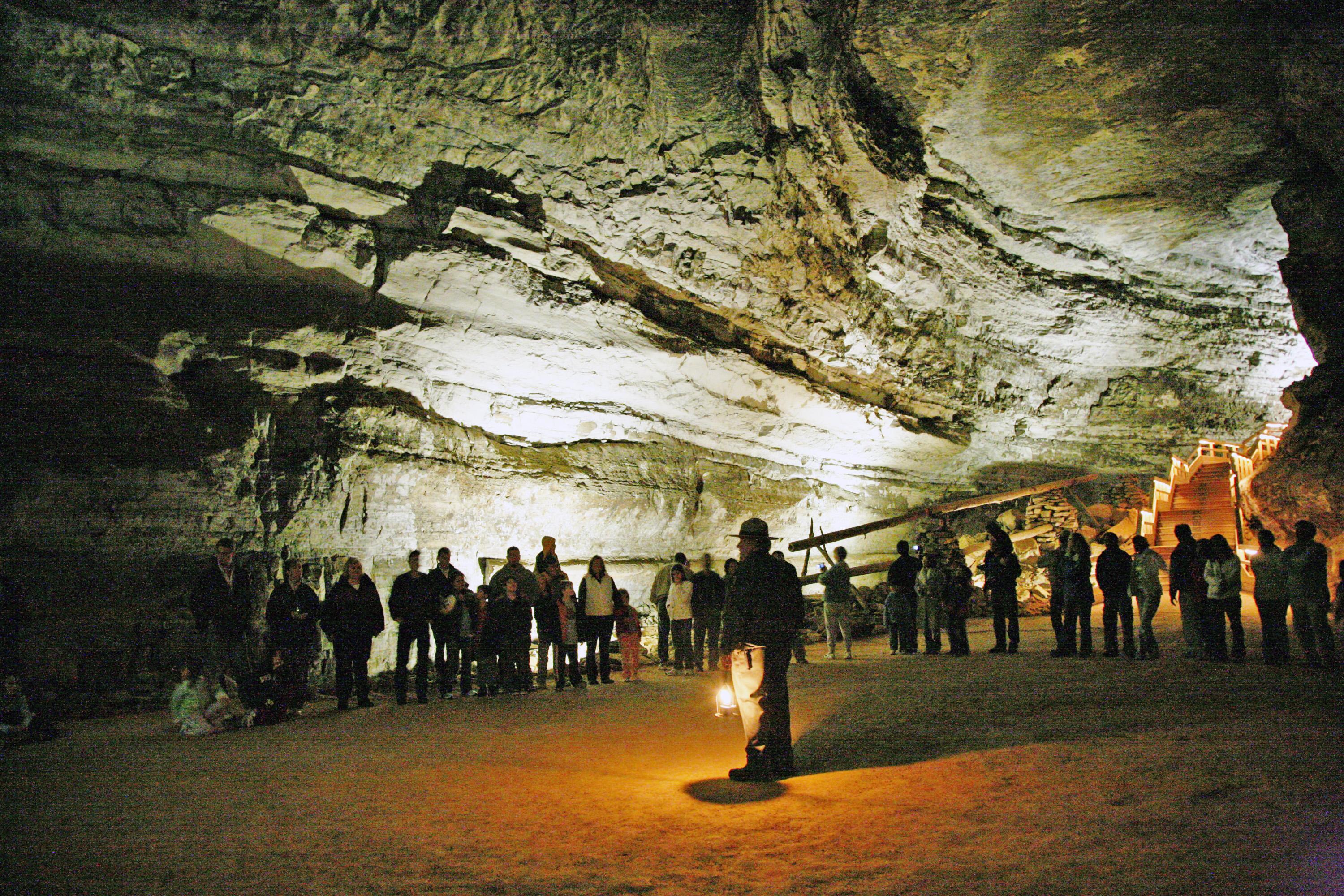
The park's centerpiece, the Big Room, is one of the largest single cave chambers in North America, stretching roughly 4,000 feet with ceilings reaching up to 255 feet high. Hundreds of thousands of Brazilian free-tailed bats still roost in the cave and stream out in a dramatic mass flight each summer evening, the same spectacle that first drew attention to the site more than a century ago. Carlsbad Caverns was designated a UNESCO World Heritage Site in 1995.
Through the Years
- 1898
Jim White begins extensively exploring the caverns
- 1923
President Calvin Coolidge designates Carlsbad Cave National Monument
- 1930
Congress establishes Carlsbad Caverns National Park
- 1995
Designated a UNESCO World Heritage Site
The Archive
 Plate 01
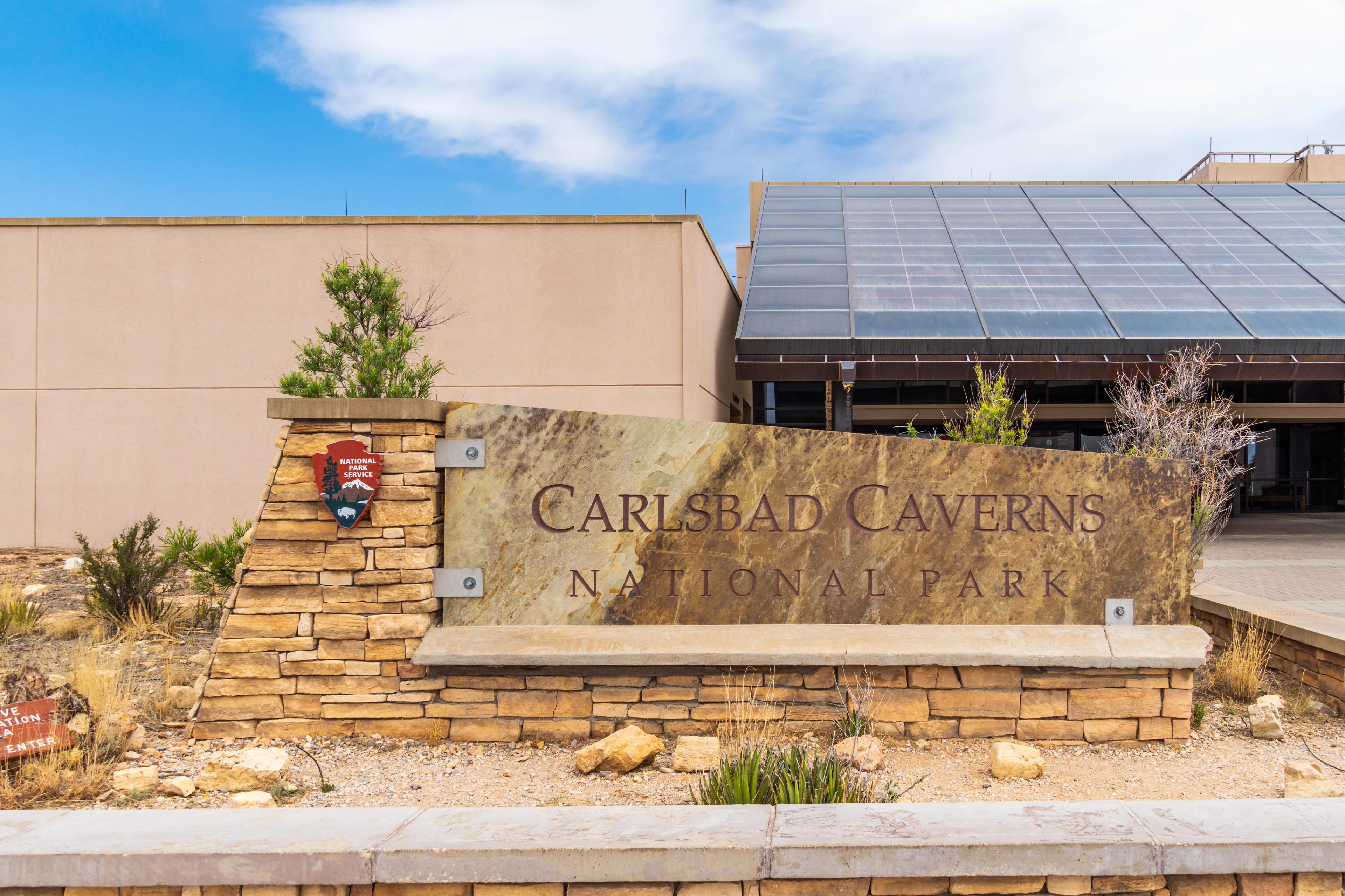
View from Visitors Center, Carlsbad Caverns National Park.
Ken Lund · CC BY-SA · via Wikimedia Commons
Facts & Figures
History
- Discovery clue
- Bat guano miners first noticed the cave after seeing what looked like smoke, actually clouds of emerging bats
- Explorer
- Cowboy Jim White began extensive exploration around 1898 using a homemade wire ladder
- Early industry
- Commercial bat guano mining for fertilizer was the cave's first economic use
Designation
- Designation
- National Monument, 1923 (Calvin Coolidge); National Park, 1930
- UNESCO status
- Designated a World Heritage Site in 1995
Geology
- Big Room
- One of the largest cave chambers in North America, roughly 4,000 feet long, ceilings up to 255 feet
Wildlife
- Bats
- Hundreds of thousands of Brazilian free-tailed bats roost in the cave, with dramatic nightly summer flights
The Register
- Established
- 1923
- Area of significance
- Geology, Natural History
Frequently Asked
How were the caverns discovered?
Bat guano miners in the late 1800s noticed what looked like smoke rising from the ground, which turned out to be enormous clouds of bats emerging from the cave entrance, drawing attention to the site.
Who was Jim White?
A cowboy who began exploring the caverns extensively around 1898 using a homemade wire ladder, and who spent years afterward advocating for the cave's protection and promotion as a tourist destination.
Can visitors watch the bats?
Yes. During summer months, rangers host evening bat flight programs where visitors can watch hundreds of thousands of Brazilian free-tailed bats stream out of the cave entrance at dusk.
How big is the Big Room?
Roughly 4,000 feet long with ceilings reaching up to 255 feet high, making it one of the largest single cave chambers in North America.