Westward Expansion · South Dakota
Wounded Knee
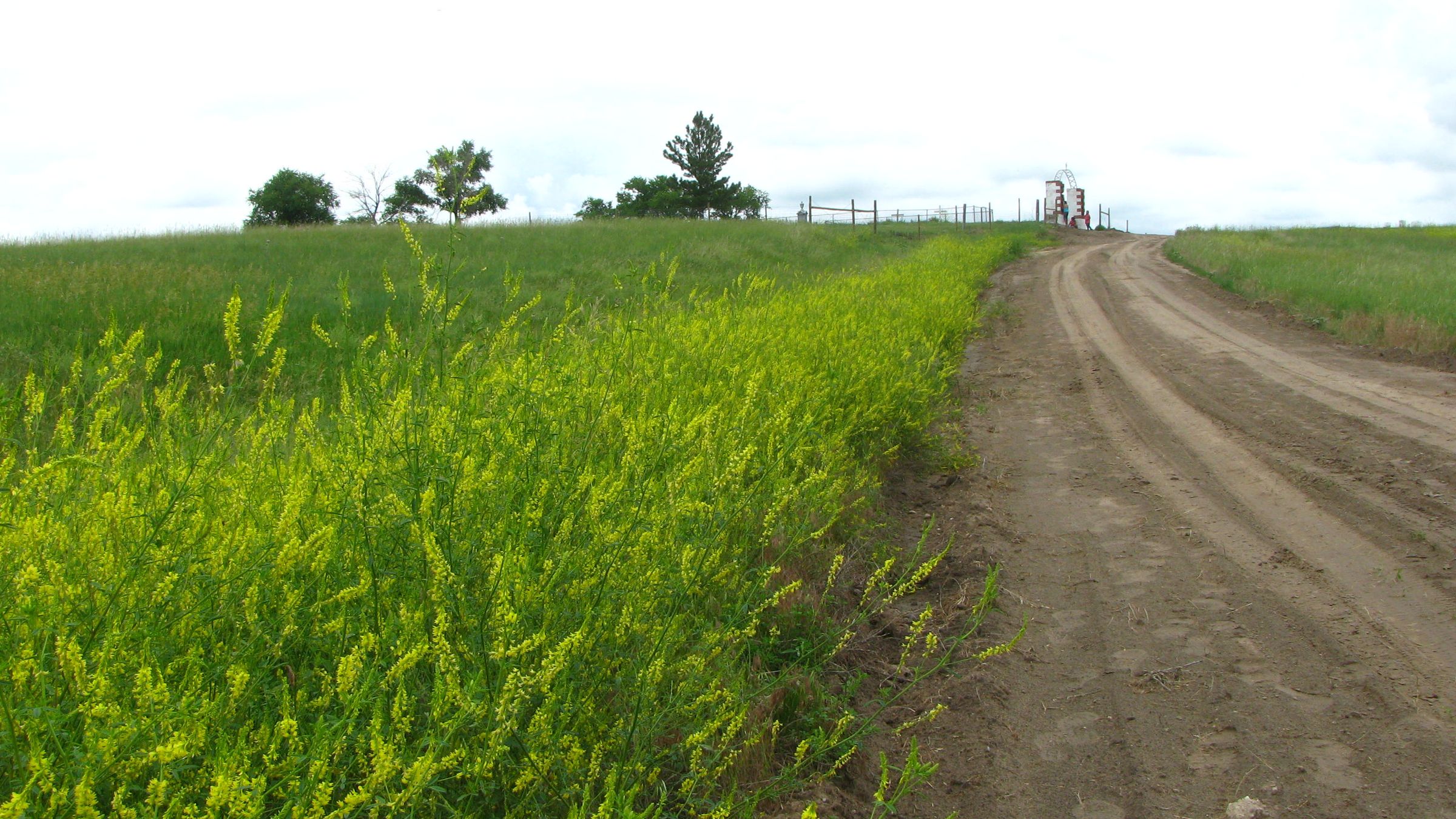
The memorial at the Wounded Knee massacre site. — Jbutler18
Why Wounded Knee Matters
Wounded Knee is the site of one of the darkest events in American history: the killing of several hundred Lakota men, women, and children by U.S. Army soldiers on December 29, 1890. Long mischaracterized in official accounts as a 'battle,' it is now widely recognized by historians as a massacre, marking the violent end of the Plains Indian Wars and a searing symbol of the U.S. government's treatment of Native nations. The site remains sacred and deeply significant to the Lakota people today.
By the Numbers
History
- Date
- December 29, 1890
- Lakota leader
- Chief Spotted Elk (Big Foot)
- U.S. unit
- 7th Cavalry Regiment
- Estimated Lakota deaths
- ~150–300+ (estimates vary)
- U.S. soldier deaths
- ~25
Legacy
- Medals of Honor
- 20 awarded to soldiers, still contested
Site
- Land status
- Tribal and private land, Pine Ridge Reservation
Timeline
- 1890The Ghost Dance movement spreads among Lakota communities
- 1890Sitting Bull is killed during an attempted arrest on December 15
- 1890The 7th Cavalry intercepts Spotted Elk's band and camps them at Wounded Knee
- 1890U.S. troops kill hundreds of Lakota on the morning of December 29
- 1990Congress issues a formal statement of 'deep regret' on the centennial
Complete History
By 1890, Lakota people on the Pine Ridge and other reservations, facing broken treaty promises, starvation, and the loss of their traditional way of life, had embraced the Ghost Dance movement, a spiritual practice promising the restoration of Native lands and ways of life. Alarmed U.S. officials, misreading the movement as a precursor to violent uprising, moved to suppress it, and tensions escalated after the killing of Lakota leader Sitting Bull during an attempted arrest on December 15, 1890.
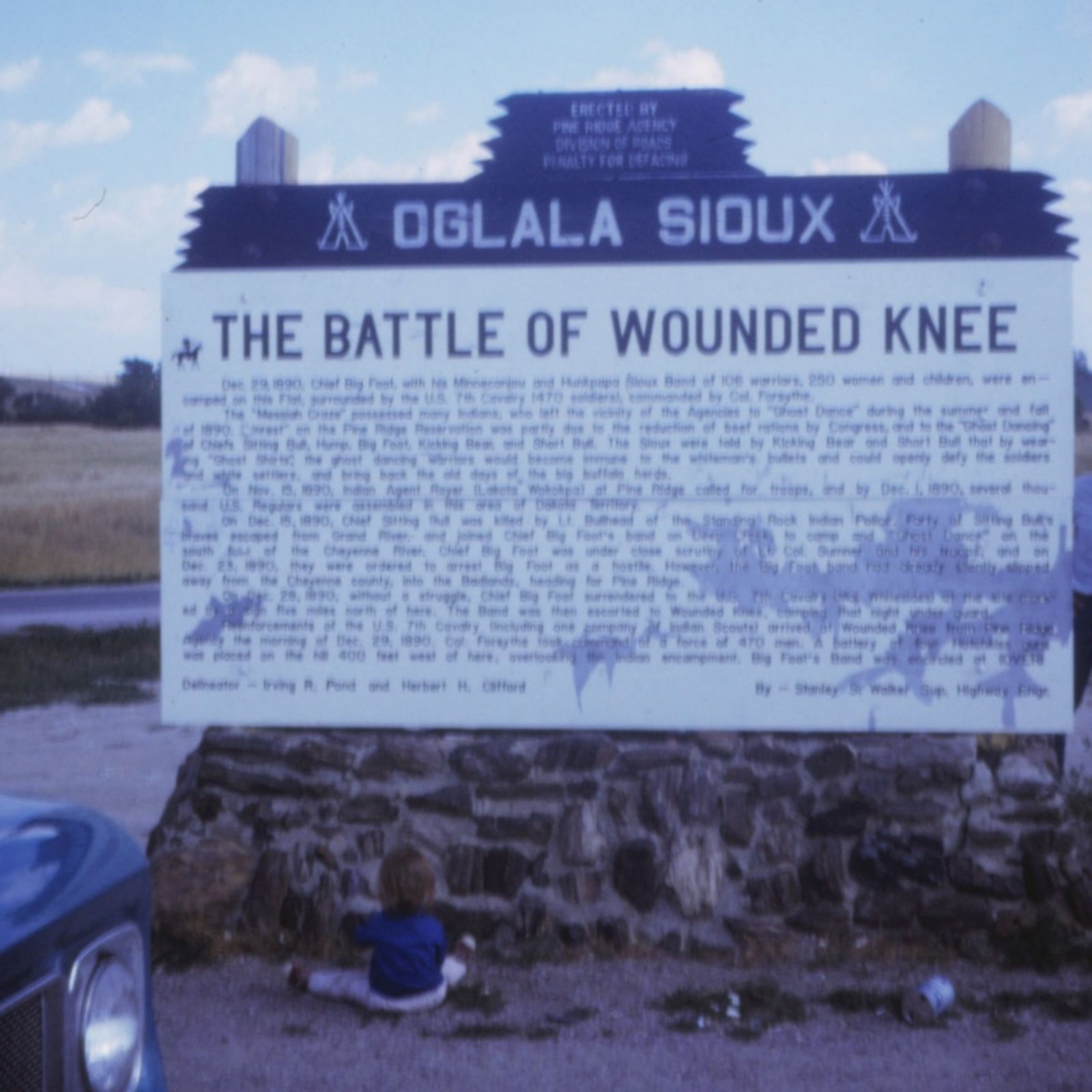
A band of roughly 350 to 400 Lakota, led by Chief Spotted Elk (also known as Big Foot), many ill and traveling to seek safety, were intercepted by the U.S. 7th Cavalry Regiment and escorted to a camp near Wounded Knee Creek. On the morning of December 29, 1890, as soldiers attempted to disarm the camp, a shot was fired under disputed circumstances, and the soldiers opened fire with rifles and rapid-fire Hotchkiss guns on the largely unarmed Lakota, including many fleeing women and children.
Estimates of Lakota deaths range from roughly 150 to 300 or more, with many bodies later found scattered up to two miles from the camp, and 25 soldiers also died, some reportedly from friendly fire. Twenty soldiers controversially received the Medal of Honor for their actions. The event effectively ended large-scale armed Native resistance on the Plains. Survivors and descendants, along with the Oglala Sioux and Cheyenne River Sioux tribes, have long sought a formal government apology and rescission of the Medals of Honor; a mass grave and memorial now mark the site, which remains under tribal and private ownership rather than as an NPS unit.
Historic Images
Interesting Facts
- On December 29, 1890, U.S. Army troops killed several hundred Lakota men, women, and children at Wounded Knee, an event now recognized by historians as a massacre.
- The killings followed the spread of the Ghost Dance spiritual movement and the death of Lakota leader Sitting Bull two weeks earlier.
- Twenty U.S. soldiers received the Medal of Honor for their roles that day, awards that Native advocates and descendants have long sought to have rescinded.
- The event marked the effective end of large-scale armed Native American resistance on the Great Plains.
- The site remains under tribal and private ownership on the Pine Ridge Reservation, not as a National Park Service unit.
Visiting Today
- Hours
- The memorial site is outdoors and accessible during daylight hours; there is no formal visitor center.
- Admission
- Free, though visitors are encouraged to be respectful and may be asked for a voluntary donation by tribal members present at the site.
- Best time to visit
- Any season; conditions on the Pine Ridge Reservation can be remote, so check road and weather conditions beforehand.
- Nearby
- The town of Pine Ridge and the wider Pine Ridge Indian Reservation surround the site.
Approach the site with quiet respect, as it is both a memorial and a place of deep, living significance to the Lakota people; consider learning its history in depth before visiting.
Frequently Asked Questions
What happened at Wounded Knee?
On December 29, 1890, U.S. 7th Cavalry troops killed several hundred Lakota men, women, and children while attempting to disarm a camp led by Chief Spotted Elk. Historians classify the event as a massacre.
What led up to the massacre?
Rising tensions followed the spread of the Ghost Dance movement among Lakota communities facing broken treaties and hardship, and the killing of Lakota leader Sitting Bull two weeks earlier during an attempted arrest.
Why is Wounded Knee not a National Park?
The site remains under tribal and private ownership on the Pine Ridge Reservation. It has not been designated as a National Park Service unit, though it is recognized as a National Historic Landmark.
Can you visit Wounded Knee today?
Yes. A memorial and mass grave mark the site on the Pine Ridge Reservation. Visitors should be respectful, as the site holds deep and ongoing significance to the Lakota people.