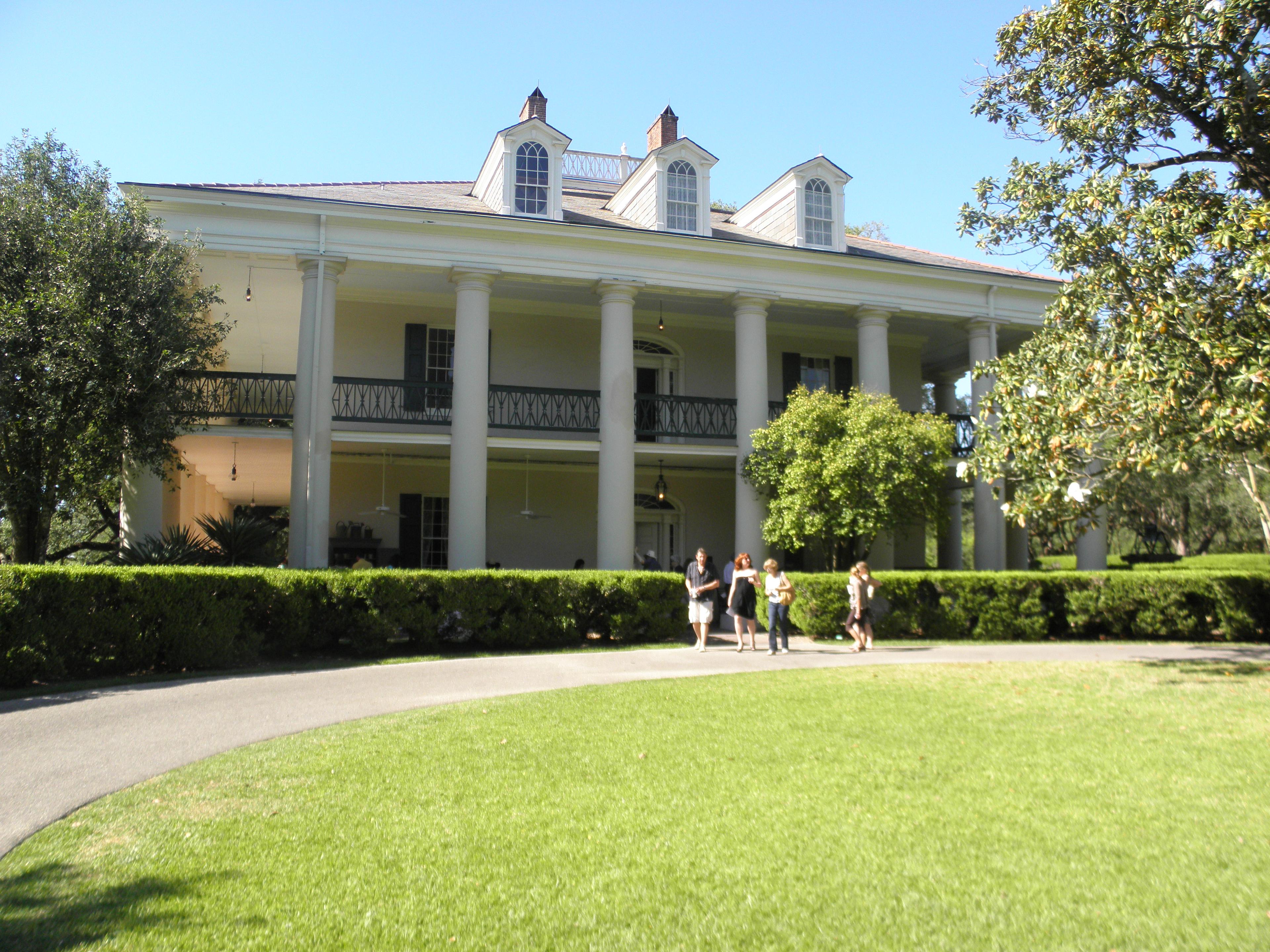
- Antebellum (1815–1861)
- 31.5604° N, 91.4032° W
Natchez Historic District
Natchez, Mississippi · Established 1716

J R Gordon · CC BY · via Wikimedia Commons
Why It Matters
A city so wealthy from cotton and slavery that it once claimed more millionaires per capita than anywhere in America, Natchez survived the Civil War almost untouched, leaving one of the largest concentrations of antebellum mansions in the South standing beside the site of one of its largest slave markets.
The History
French colonists established Fort Rosalie at Natchez in 1716 on a high bluff overlooking the Mississippi River, and the settlement passed through British and Spanish control before becoming part of the United States in 1798, when it was named capital of the newly organized Mississippi Territory. Its location on the river made it an ideal hub for the cotton trade that would come to define the region.
By the mid-19th century, cotton wealth had made Natchez one of the richest cities in America, reportedly home to more millionaires per capita than almost anywhere else in the country, wealth generated entirely through the forced labor of enslaved people. The city was also the site of Forks of the Road, the second-largest slave market in the Deep South after New Orleans, where thousands of enslaved people were bought and sold.
When Union forces approached in 1863, Natchez surrendered without a fight, sparing its mansions from the destruction that leveled much of the rest of the Confederacy. That accident of history left the city with one of the largest concentrations of antebellum architecture in the South, including the unfinished octagonal mansion Longwood and Stanton Hall, standing today alongside a preserved Forks of the Road site interpreted since 1988 as part of Natchez National Historical Park.
Through the Years
- 1716
French colonists establish Fort Rosalie at Natchez
- 1798
Natchez becomes part of the United States as capital of the Mississippi Territory
- 1850
Cotton wealth makes Natchez one of the wealthiest cities in America
- 1863
Natchez surrenders to Union forces without a fight, sparing its buildings
- 1988
Natchez National Historical Park is established
The Archive
 Plate 01
Main Street Greek Revival building Natchez Historic District.
Charlie Brenner from Jackson Mississippi, USA /\ \/\/ /\ · CC BY-SA · via Wikimedia Commons
 Plate 02
Eola Hotel in Natchez Historic District.
Mthunter58 · CC BY-SA · via Wikimedia Commons
 Plate 03Historic
Historic photograph of a barn in Natchez Historic District.
Library of Congress · No known restrictions · via Library of Congress
 Plate 04Historic
Historic photograph of Billie Eaton House in Natchez Historic District.
Library of Congress · No known restrictions · via Library of Congress
 Plate 05
Main Street, Natchez Historic District.
Charlie Brenner from Jackson Mississippi, USA /\ \/\/ /\ · CC BY-SA · via Wikimedia Commons
 Plate 06
Historic house in Natchez Historic District.
Elisa.rolle · CC BY-SA · via Wikimedia Commons
Facts & Figures
Founding
- Founded
- 1716 as the French Fort Rosalie
History
- Territorial capital
- Became capital of the Mississippi Territory in 1798
- Antebellum wealth
- Reportedly more millionaires per capita than almost anywhere in America before the Civil War, built on cotton
- Civil War
- Surrendered without a fight in 1863, sparing its architecture
- Forks of the Road
- Site of the second-largest slave market in the Deep South
Architecture
- Notable buildings
- Longwood (unfinished octagonal mansion), Stanton Hall, Rosalie
Designation
- National Historical Park
- Established 1988
The Register
- Established
- 1716
- Area of significance
- Architecture, Commerce, African American History
Frequently Asked
Why does Natchez have so many antebellum mansions?
Cotton wealth made antebellum Natchez extraordinarily rich, and because the city surrendered to Union forces without a fight in 1863, its mansions escaped the destruction that leveled much of the rest of the Confederacy.
What is Longwood?
An unfinished six-story octagonal mansion begun just before the Civil War; construction stopped when workers left for the war, leaving the building's opulent lower floor complete but its upper floors unfinished to this day.
What was Forks of the Road?
The second-largest slave market in the Deep South after New Orleans, located just outside Natchez; the site is now preserved and interpreted as part of Natchez National Historical Park.
When did Natchez become part of the United States?
In 1798, after passing through French, British, and Spanish control, when it became the capital of the newly organized Mississippi Territory.