- Colonial America (1607–1775)
- 37.2086° N, 76.7770° W
Historic Jamestowne
Jamestown, Virginia · Established 1607
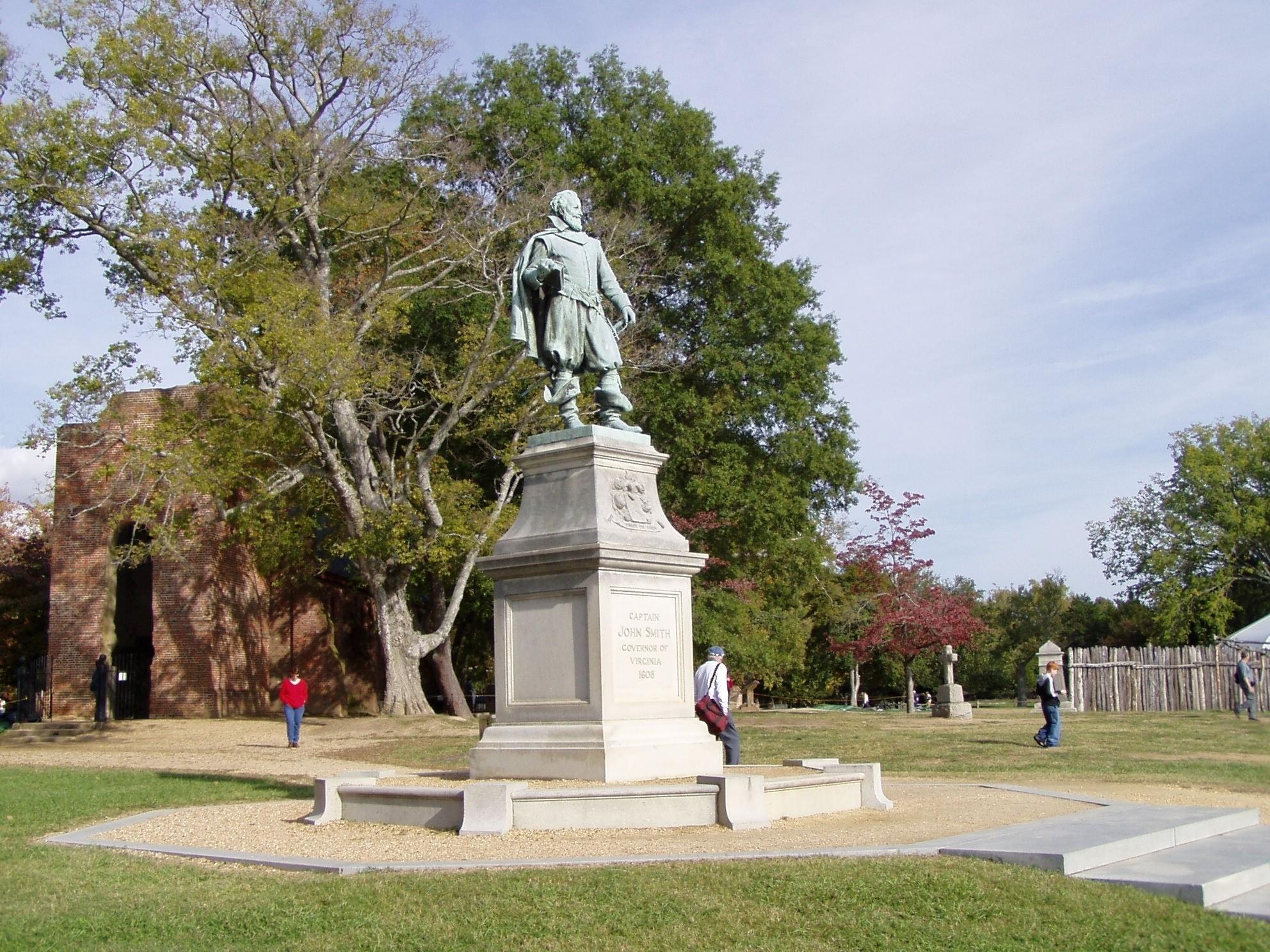
NPS Photo · Public domain · via Wikimedia Commons
Why It Matters
Historic Jamestowne is where permanent English America began. Founded in 1607 on a marshy island in the James River, Jamestown was the first lasting English settlement in North America — the fragile foothold from which colonial America would grow. It was here that English settlers endured starvation and war with the Powhatan, that tobacco became the cash crop that saved the colony, that the first representative assembly in English America met, and that the first enslaved Africans were brought to the English colonies, all in the fateful years around 1619.
The History
In May 1607, about 100 English colonists sent by the Virginia Company of London landed on a low island in the James River and built a triangular palisade they called James Fort, naming the settlement for King James I. The site was defensible but unhealthy, ringed by brackish water and mosquitoes, and the early years were desperate. Disease, poor planning, and conflict with the surrounding Powhatan Confederacy brought the colony repeatedly to the brink of failure.
The winter of 1609-1610, remembered as the 'Starving Time,' nearly ended it: the population collapsed from several hundred to about sixty. The colony survived through the leadership of figures like Captain John Smith, an uneasy relationship with the Powhatan — including the famous story of Pocahontas — and above all the introduction of tobacco cultivation by John Rolfe around 1612, which finally gave Virginia a profitable export.
The years around 1619 proved historic: Jamestown hosted the first representative legislative assembly in English America, and the first enslaved Africans in the English colonies were brought to Virginia. Jamestown served as the capital of Virginia until 1699, when the seat of government moved to Williamsburg and the town faded. Today the original site is preserved as Historic Jamestowne, where the Jamestown Rediscovery project has unearthed the remains of the 1607 fort long thought lost to the river.
Through the Years
- 1607
English colonists found Jamestown and build James Fort in May.
- 1609-1610
The 'Starving Time' nearly destroys the colony.
- 1612
John Rolfe begins cultivating tobacco, saving the colony's economy.
- 1619
The first representative assembly meets; first enslaved Africans arrive in Virginia.
- 1699
Virginia's capital moves from Jamestown to Williamsburg.
- 1994
Archaeologists rediscover the remains of the original 1607 James Fort.
The Archive
 Plate 01
Image of a cannon in Historic Jamestowne
Smash the Iron Cage · CC BY-SA · via Wikimedia Commons
 Plate 02
Cemetery, Jamestown Church, Historic Jamestowne, Colonial National Historical Park, Jamestown, Virginia
Ken Lund from Reno, Nevada, USA · CC BY-SA · via Wikimedia Commons
 Plate 03Historic · 2019
An original well, displayed at Historic Jamestowne.
Library of Congress · No known restrictions · via Library of Congress
Facts & Figures
The Settlement
- Founded
- May 1607, by the Virginia Company
- Distinction
- First permanent English settlement in North America
- Named for
- King James I of England
Survival
- Turning point
- Tobacco, introduced by John Rolfe (~1612)
1619
- Milestones
- First representative assembly; first enslaved Africans in English America
Capital
- Until
- 1699, when it moved to Williamsburg
Today
- Managed by
- National Park Service & Preservation Virginia
The Register
- Established
- 1607
- Builder
- Virginia Company of London (English settlers)
- Area of significance
- Colonial America & Archaeology
Frequently Asked
Why is Jamestown important?
Founded in 1607, Jamestown was the first permanent English settlement in North America and the birthplace of English colonial America, where representative government and, tragically, African slavery in the English colonies both took early root.
What was the Starving Time at Jamestown?
It was the winter of 1609-1610, when disease, food shortages, and conflict with the Powhatan reduced the colony from several hundred settlers to about sixty survivors.
What is the difference between Historic Jamestowne and Jamestown Settlement?
Historic Jamestowne is the actual archaeological site of the 1607 colony, run by the National Park Service and Preservation Virginia. Jamestown Settlement is a separate, state-run living-history museum nearby with replicas.
Can you visit Historic Jamestowne?
Yes. Historic Jamestowne on Jamestown Island preserves the original settlement, with the archaeological site of James Fort, a museum of excavated artifacts, and the historic church tower open to visitors.