Revolutionary · New York
Fort Ticonderoga
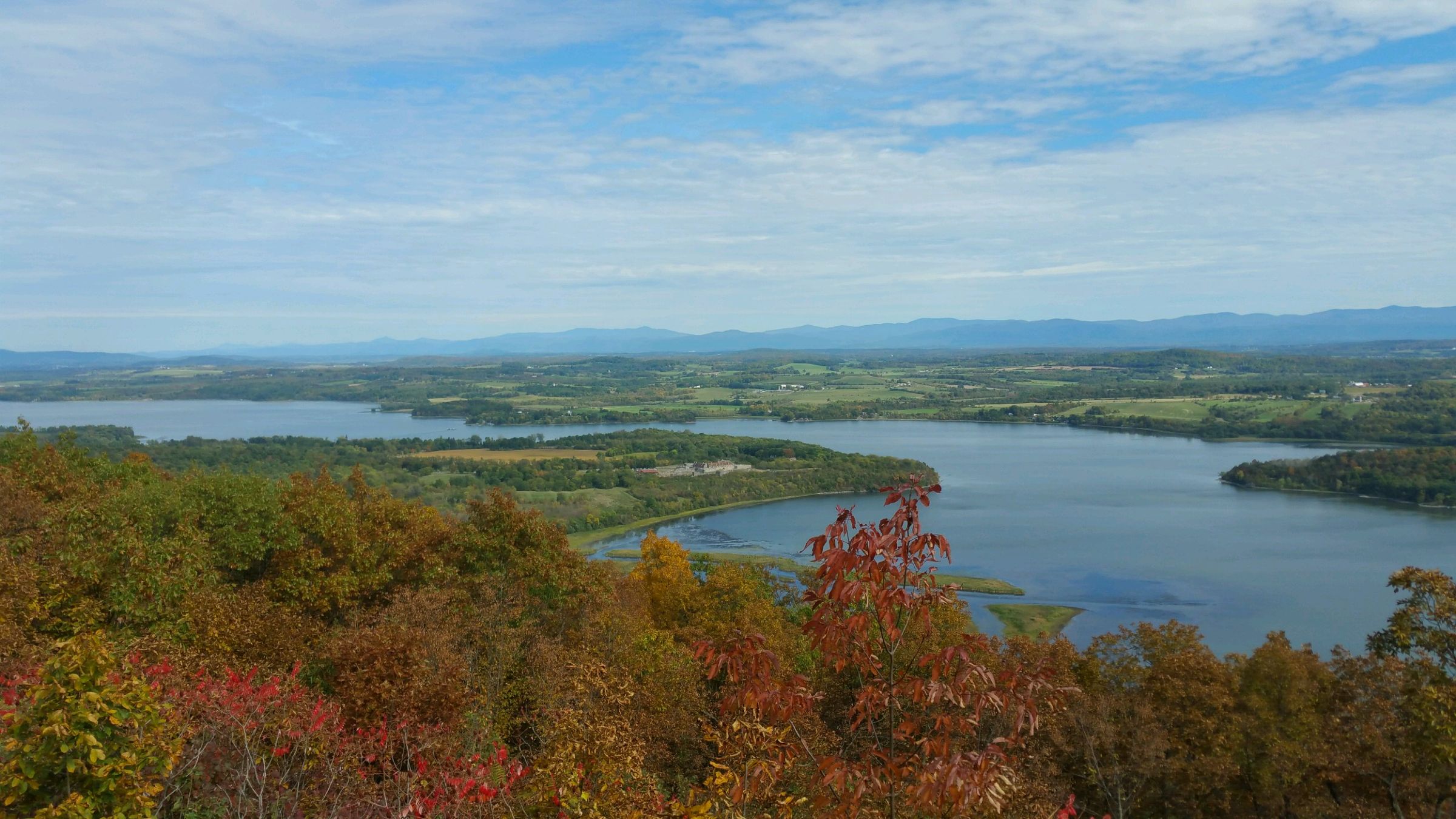
Fort Ticonderoga on Lake Champlain, seen from Mount Defiance. — Mjgus
Why Fort Ticonderoga Matters
Perched where Lake Champlain narrows toward Lake George, Fort Ticonderoga commanded the water highway between Canada and the Hudson Valley — making it one of the most fought-over pieces of ground in colonial North America. Built by the French, seized by the British, captured by American rebels in a dawn raid, and then lost again, its guns were hauled 300 miles to force the British out of Boston. Few fortifications changed the course of two wars so many times.
By the Numbers
History
- Built
- 1755 as Fort Carillon (French)
- American capture
- May 10, 1775 (Ethan Allen)
- Changed hands
- France → Britain → America → Britain
People
- Cannon expedition
- Henry Knox, winter 1775–76
Military
- Cannons hauled
- ~60 tons, ~300 miles
Geography
- Location
- Lake Champlain / Lake George portage
Designation
- National Historic Landmark
- Designated 1960
Timeline
- 1755The French build Fort Carillon on the site
- 1759The British capture the fort and rename it Ticonderoga
- 1775Ethan Allen and Benedict Arnold capture the fort on May 10
- 1775Henry Knox begins hauling the fort's cannons to Boston in winter
- 1776The 'Noble Train of Artillery' forces the British to evacuate Boston
- 1777British forces recapture the fort during the Saratoga campaign
- 1909Private restoration of the fort begins
Complete History
The French built Fort Carillon in 1755 during the French and Indian War to guard the strategic portage between Lake Champlain and Lake George. In 1758 it was the site of a major British defeat, but the British finally captured it in 1759, renaming it Ticonderoga, an Iroquois-derived word meaning roughly 'between two waters.'
At the outbreak of the Revolution, the fort's cannons became an irresistible prize. On May 10, 1775, Ethan Allen's Green Mountain Boys and Benedict Arnold surprised the small British garrison and captured the fort without a fight, in the first American offensive victory of the war. The following winter, Colonel Henry Knox led an extraordinary expedition hauling 60 tons of Ticonderoga's captured cannons roughly 300 miles through snow to Boston.
Knox's 'Noble Train of Artillery' arrived in March 1776 and forced the British to evacuate Boston. The fort itself fell back into British hands in 1777 during the Saratoga campaign, then was abandoned as the war moved south. Left to decay, it was restored beginning in 1909 by private owners and is now operated as a museum by the nonprofit Fort Ticonderoga Association, designated a National Historic Landmark in 1960.
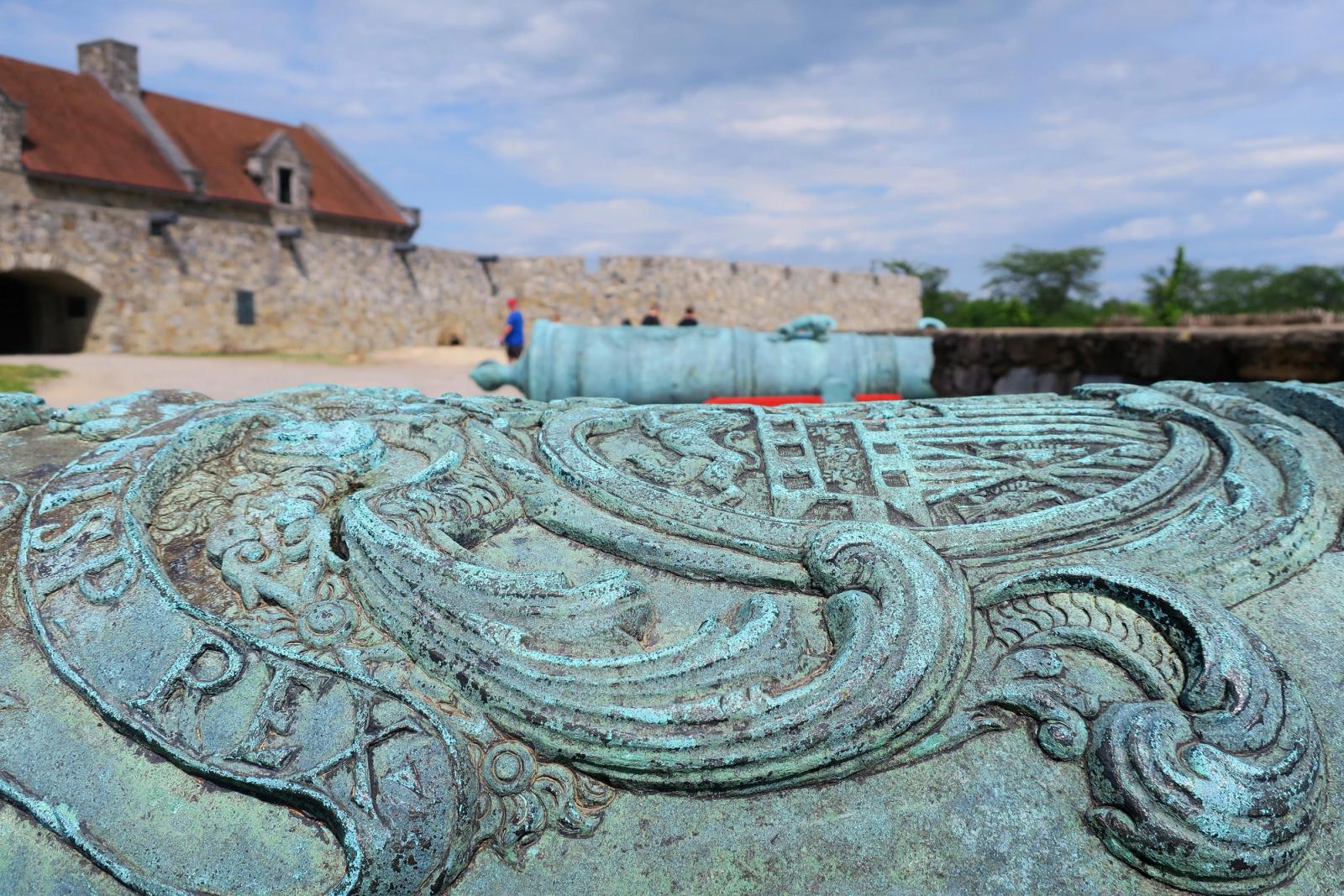
Historic Images
Interesting Facts
- Ethan Allen and Benedict Arnold captured Fort Ticonderoga from the British without firing a shot on May 10, 1775.
- Henry Knox's 'Noble Train of Artillery' hauled roughly 60 tons of the fort's cannons about 300 miles to Boston in the winter of 1775-76.
- Those cannons forced the British to evacuate Boston in March 1776, a major early American victory.
- The fort changed hands between France, Britain, and American forces multiple times across two wars.
- Left in ruins for over a century, it was privately restored beginning in 1909 and is now a museum.
Visiting Today
- Hours
- Open seasonally, typically May through October; check fortticonderoga.org for exact dates and hours.
- Admission
- A ticketed admission fee applies; discounts for children and members.
- Best time to visit
- Summer for the full schedule of military demonstrations and cannon firings.
- Nearby
- Lake Champlain and Lake George's resort towns are nearby, along with the Adirondack Mountains.
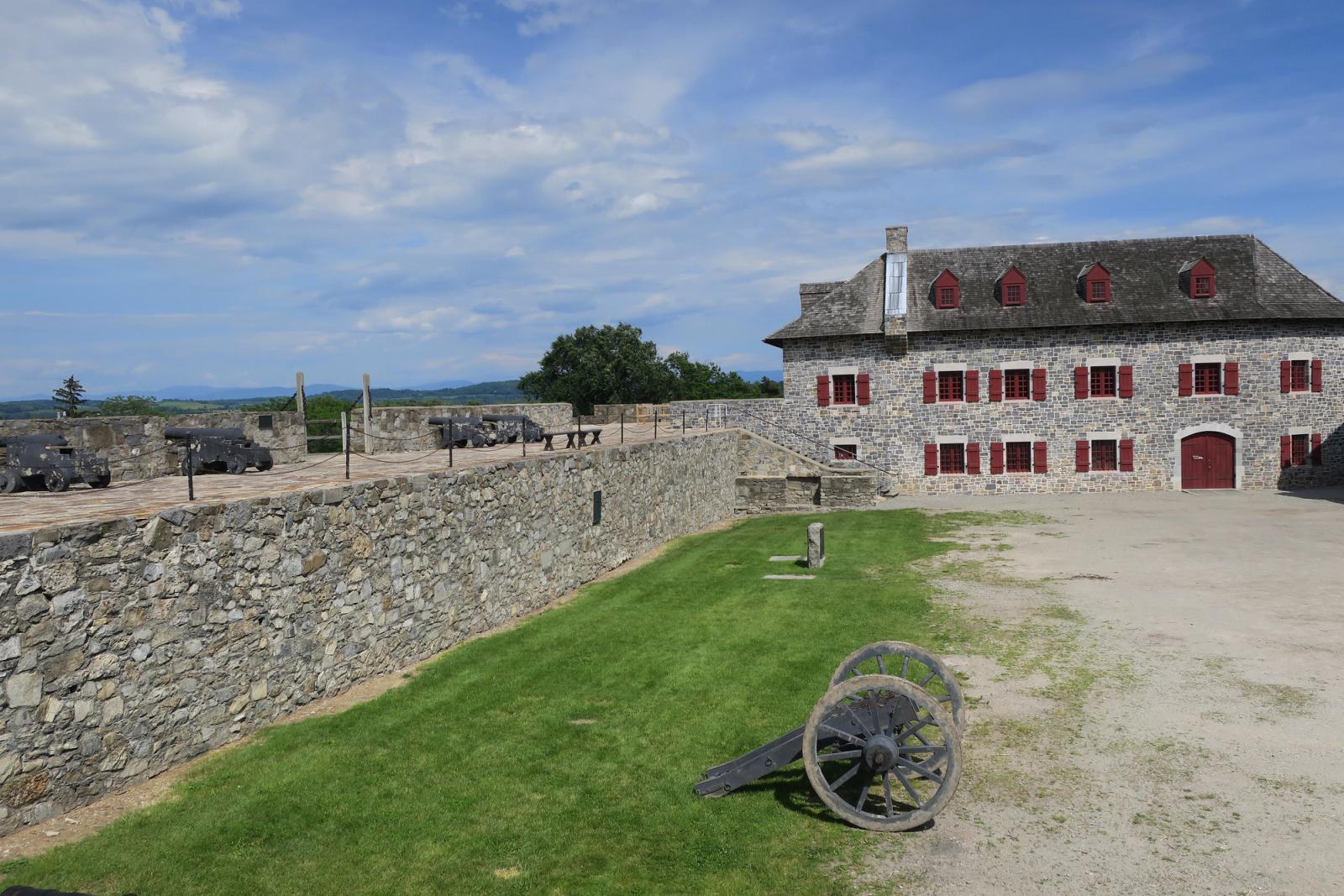
Time your visit for a scheduled cannon or musket demonstration, and walk up Mount Defiance nearby for a panoramic view of the fort's strategic position on the lake.
Frequently Asked Questions
Who captured Fort Ticonderoga in 1775?
Ethan Allen's Green Mountain Boys, joined by Benedict Arnold, surprised the small British garrison and captured the fort without a fight on May 10, 1775.
Why were the fort's cannons so important?
Henry Knox hauled about 60 tons of them roughly 300 miles to Boston in the winter of 1775-76, and their arrival forced the British army to evacuate the city.
Did the British ever recapture Fort Ticonderoga?
Yes. British forces retook the fort in 1777 during the Saratoga campaign, though it lost strategic importance as fighting moved south.
Can you visit Fort Ticonderoga today?
Yes. The restored fort operates as a museum with period demonstrations, cannon firings, and gardens overlooking Lake Champlain.