Revolutionary · Virginia
Yorktown Battlefield
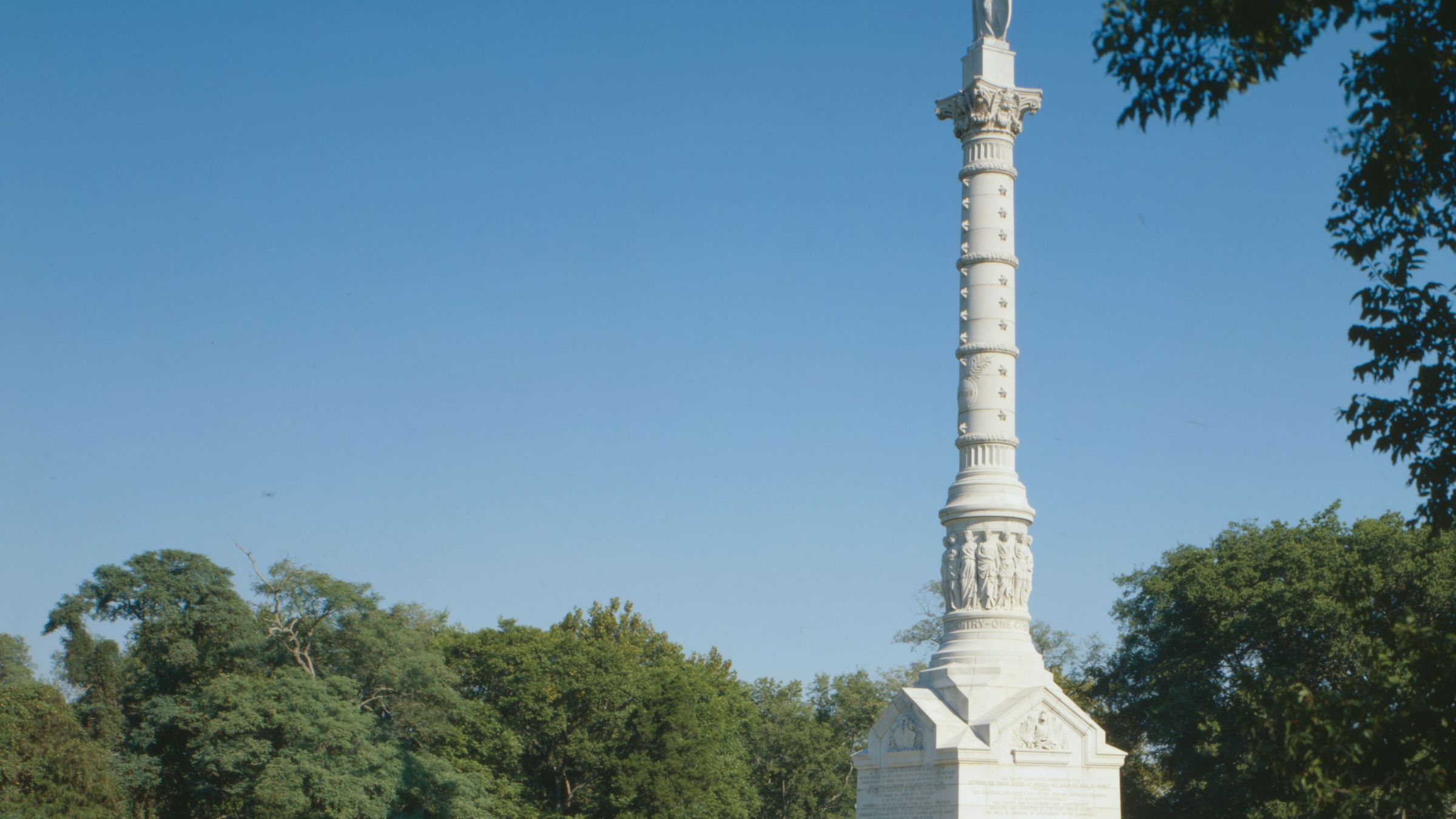
The Yorktown Victory Monument. — Jack Boucher
Why Yorktown Battlefield Matters
On the fields around Yorktown in October 1781, the American Revolution was effectively won. A combined American and French army trapped Lord Cornwallis against the York River while a French fleet sealed off escape by sea, and after a relentless siege the British surrendered an entire army. The defeat shattered Britain's will to continue the war and opened the road to the Treaty of Paris and independence. Few battlefields can claim to have decided the fate of a nation so completely.
By the Numbers
History
- Siege
- September 28 – October 19, 1781
- American commander
- General George Washington
- French commander
- Comte de Rochambeau
- British commander
- Lord Cornwallis
- Surrender
- October 19, 1781 (~8,000 troops)
Military
- Turning point
- Storming of Redoubts 9 & 10
Designation
- Park
- Colonial National Historical Park (NPS)
Timeline
- 1781Cornwallis fortifies Yorktown in the summer, awaiting the Royal Navy
- 1781The French fleet wins the Battle of the Chesapeake on September 5
- 1781The allied siege formally opens on September 28
- 1781Redoubts 9 and 10 are stormed on the night of October 14
- 1781Cornwallis surrenders about 8,000 troops on October 19
- 1783The Treaty of Paris recognizes American independence
Complete History
In the summer of 1781 Lord Cornwallis fortified Yorktown, a tobacco port on the York River, expecting resupply and reinforcement by the Royal Navy. Washington, joined by the French army under the Comte de Rochambeau, saw his chance and marched swiftly south from New York. The decisive stroke came at sea: on September 5, Admiral de Grasse's French fleet defeated the British in the Battle of the Chesapeake, cutting Cornwallis off from rescue or escape.
The formal siege opened on September 28, 1781, as some 17,000 American and French troops surrounded roughly 8,000 defenders and dug parallel trenches ever closer to the British works. On the night of October 14, two key strongpoints, Redoubts 9 and 10, were stormed with the bayonet — Alexander Hamilton leading the American column against Redoubt 10. With the redoubts taken, allied artillery could pound the town at point-blank range.
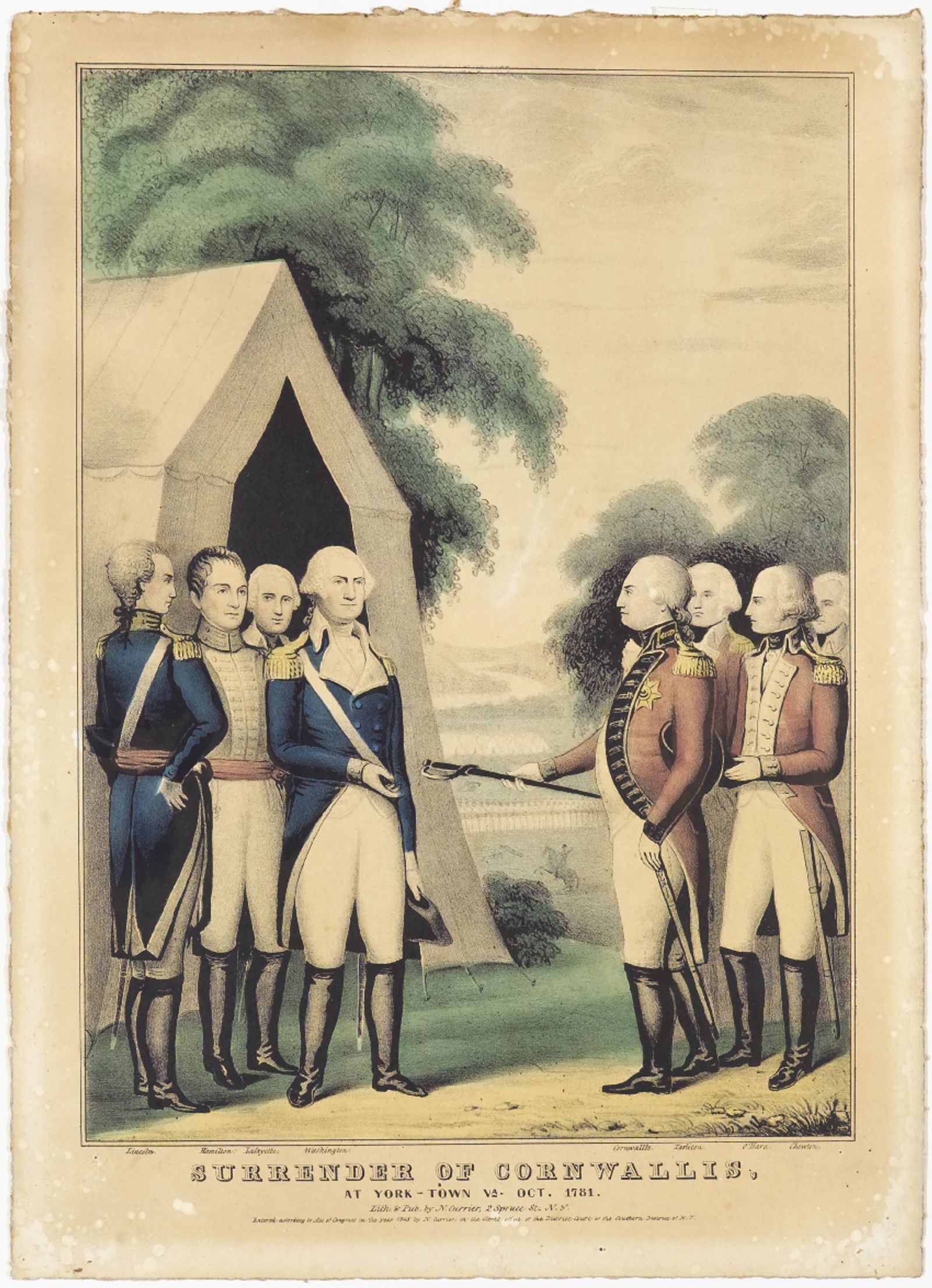
His position hopeless, Cornwallis asked for terms, and on October 19, 1781, about 8,000 British and Hessian soldiers marched out to surrender — by tradition to the tune 'The World Turned Upside Down.' It was the last major battle of the Revolution in North America. Word of the disaster toppled the British government's resolve, and the 1783 Treaty of Paris recognized the United States. The ground is preserved today within Colonial National Historical Park.
Historic Images
Interesting Facts
- The French navy's victory at the Battle of the Chesapeake trapped Cornwallis by sea, making the siege decisive.
- Alexander Hamilton led the nighttime bayonet assault that captured Redoubt 10 on October 14, 1781.
- Cornwallis surrendered about 8,000 troops on October 19, 1781 — the last major battle of the Revolution.
- By tradition the British bands played 'The World Turned Upside Down' as they marched out to surrender.
- The victory led directly to the 1783 Treaty of Paris recognizing American independence.
Visiting Today
- Hours
- The visitor center and battlefield tour roads are open daily; hours vary seasonally — check the NPS site.
- Admission
- A modest entrance fee covers the battlefield; children and pass holders enter free.
- Best time to visit
- Spring and fall for comfortable weather along the open tour roads.
- Nearby
- Colonial Williamsburg and Historic Jamestowne complete the Historic Triangle, linked by the scenic Colonial Parkway.
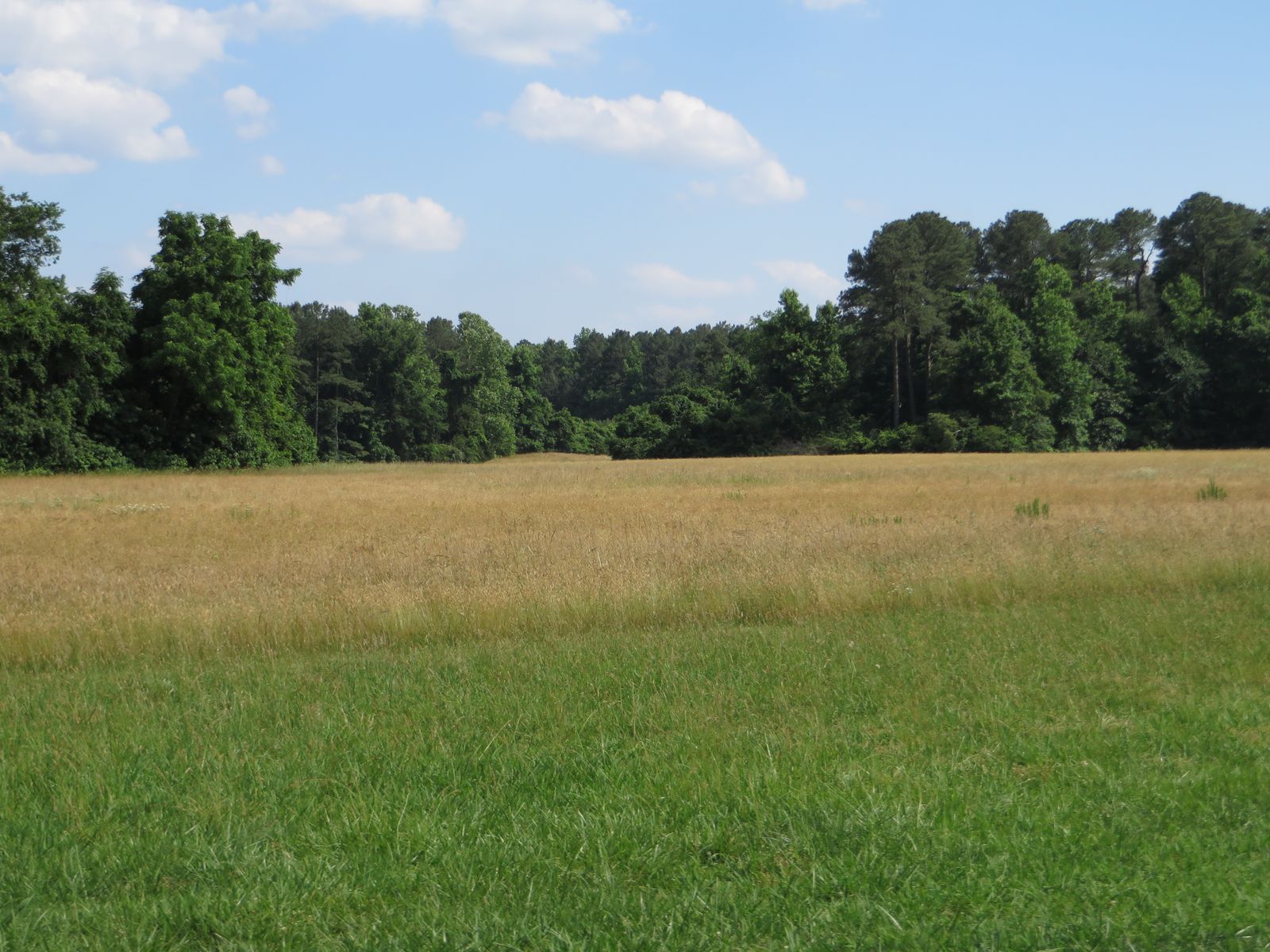
Drive the Battlefield and Encampment tour roads to see the reconstructed siege lines and Redoubts 9 and 10, then walk the surrender field. Combine it with Williamsburg and Jamestown for a full day.
Frequently Asked Questions
What happened at the Battle of Yorktown?
In the fall of 1781 a combined American and French army besieged Lord Cornwallis at Yorktown while a French fleet blocked escape by sea. After three weeks Cornwallis surrendered on October 19, 1781.
Did Yorktown end the Revolutionary War?
It was the last major battle. The defeat broke Britain's will to keep fighting, and the war formally ended with the Treaty of Paris in 1783.
What role did France play at Yorktown?
A decisive one. French land forces under Rochambeau fought alongside Washington, and Admiral de Grasse's fleet won the naval battle that sealed Cornwallis's fate.
Can you visit Yorktown Battlefield today?
Yes. The battlefield is part of Colonial National Historical Park, with a visitor center, self-guided tour roads past the siege lines and redoubts, and the surrender field.