- The 20th Century (1900–2000)
- 40.7484° N, 73.9857° W
Empire State Building
New York, New York · Established 1931
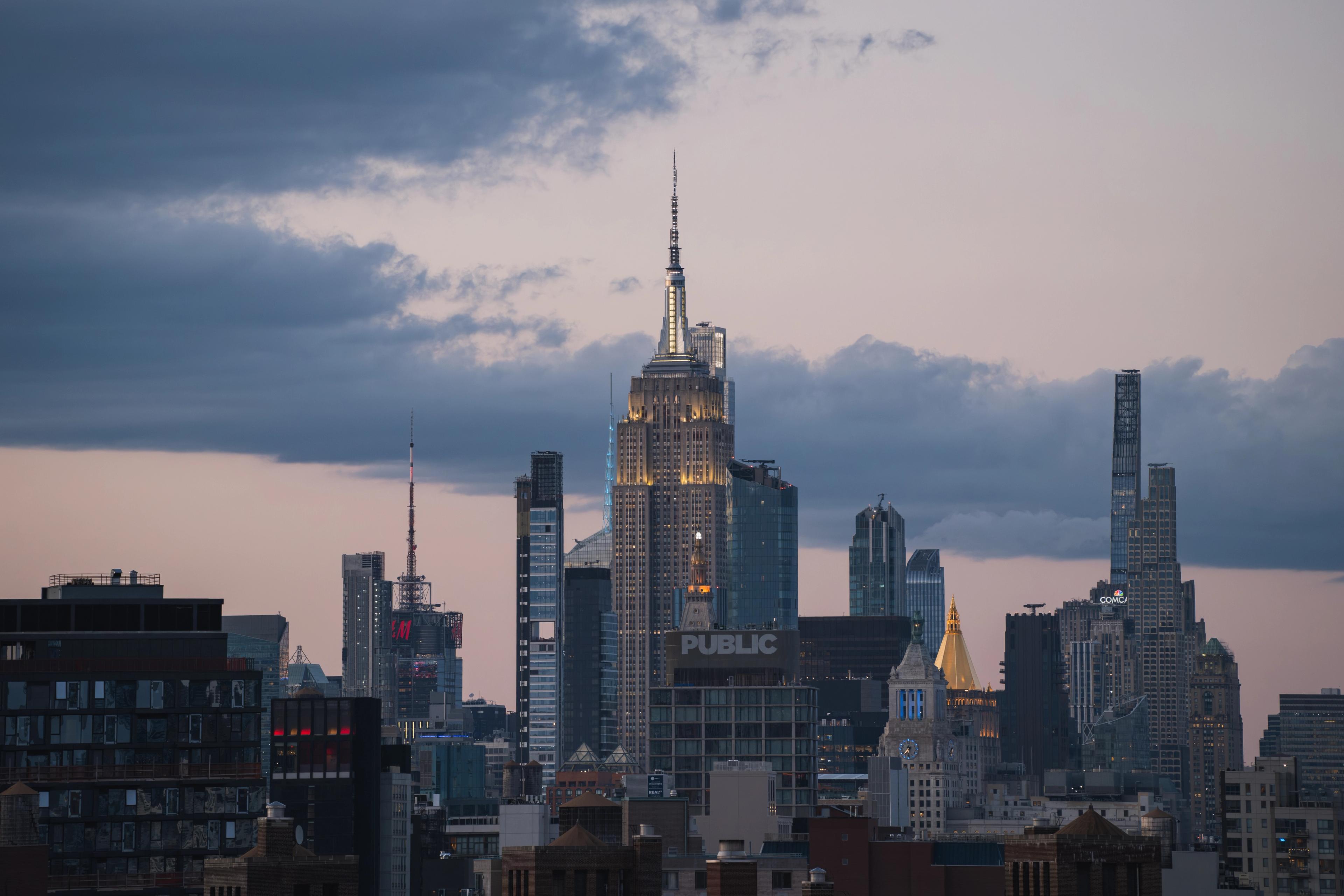
Christian David · CC BY-SA · via Wikimedia Commons
Why It Matters
The Empire State Building is the most famous skyscraper in the world and an enduring symbol of New York City and the American 20th century. Raised in just over a year at the depth of the Great Depression, its 102 Art Deco stories soared 1,250 feet above Midtown Manhattan, making it the tallest building on earth for nearly four decades. From King Kong to countless films and its ever-changing crown of colored lights, it has been an icon of ambition and the modern age since it opened in 1931.
The History
The Empire State Building rose out of a fierce 'race to the sky' among New York developers competing to erect the world's tallest building. Designed by the firm Shreve, Lamb & Harmon in a sleek Art Deco style, it was financed by a group led by former General Motors executive John J. Raskob. Construction began in 1930 and proceeded at an astonishing pace — the steel frame rose about four and a half stories a week.
Built by thousands of workers, among them many immigrants and Mohawk ironworkers, the tower was completed in just 410 days and opened on May 1, 1931. At 1,250 feet to its roof it easily surpassed the nearby Chrysler Building to become the tallest structure in the world. Because it opened during the Great Depression, much of its office space sat empty for years, earning it the nickname the 'Empty State Building.'
The building endured a dramatic accident in 1945, when a B-25 bomber lost in fog crashed into its 79th floor, killing fourteen people, yet the structure stood firm. It remained the tallest building in the world until 1970 and has starred in films from King Kong to modern blockbusters. A National Historic Landmark since 1986, its tower is now lit in changing colors to mark holidays and events, and its observation decks draw millions of visitors a year.
Through the Years
- 1930
Construction begins in the 'race to the sky.'
- 1931
The building is completed in 410 days and opens on May 1.
- 1931
Becomes the tallest building in the world at 1,250 feet.
- 1933
Featured in the film King Kong.
- 1945
A B-25 bomber crashes into the 79th floor in fog.
- 1970
Loses the title of world's tallest building to the World Trade Center.
- 1986
Designated a National Historic Landmark.
The Archive
 Plate 01
The Empire State Building against the backdrop of the new World Trade Center tower.
Dibumartinez23 · CC BY-SA · via Wikimedia Commons
 Plate 02
The Empire State Building, Manhattan, New York City
Daniel Dimitrov · CC BY-SA · via Wikimedia Commons
 Plate 03
Empire State Building Exterior
颐园居 · CC BY-SA · via Wikimedia Commons
 Plate 04
Empire State Building lobby
颐园居 · CC BY · via Wikimedia Commons
Facts & Figures
The Building
- Height
- 1,250 ft (roof); 1,454 ft to antenna tip
- Floors
- 102
- Style
- Art Deco
- Architect
- Shreve, Lamb & Harmon
Construction
- Built in
- 410 days (1930-1931)
Record
- World's tallest
- 1931-1970
Today
- Observation decks
- 86th and 102nd floors
The Register
- Established
- 1931
- Builder
- Shreve, Lamb & Harmon (architects)
- Area of significance
- Architecture & Engineering
- County
- New York
- Acreage
- 2 acres
- National Register ref.
- 82001192
- Listed on the Register
- November 17, 1982
- National Historic Landmark
- June 24, 1986
Frequently Asked
How tall is the Empire State Building?
It is 1,250 feet tall to the roof and 1,454 feet to the tip of its antenna, with 102 floors. It was the tallest building in the world from 1931 to 1970.
How long did it take to build the Empire State Building?
It was built in just 410 days — a little over a year — from 1930 to 1931, an extraordinarily fast pace for a building of its size.
Can you go to the top of the Empire State Building?
Yes. The building has observation decks on the 86th and 102nd floors, offering sweeping views of New York City. Timed tickets are available and often reserved in advance.
Why is the Empire State Building lit up in different colors?
Its tower lights are changed to mark holidays, seasons, sporting events, and charitable causes — a New York tradition that has become part of the building's identity.