- The 19th Century (1800–1900)
- 39.9678° N, 75.1725° W
Eastern State Penitentiary
Philadelphia, Pennsylvania · Established 1829
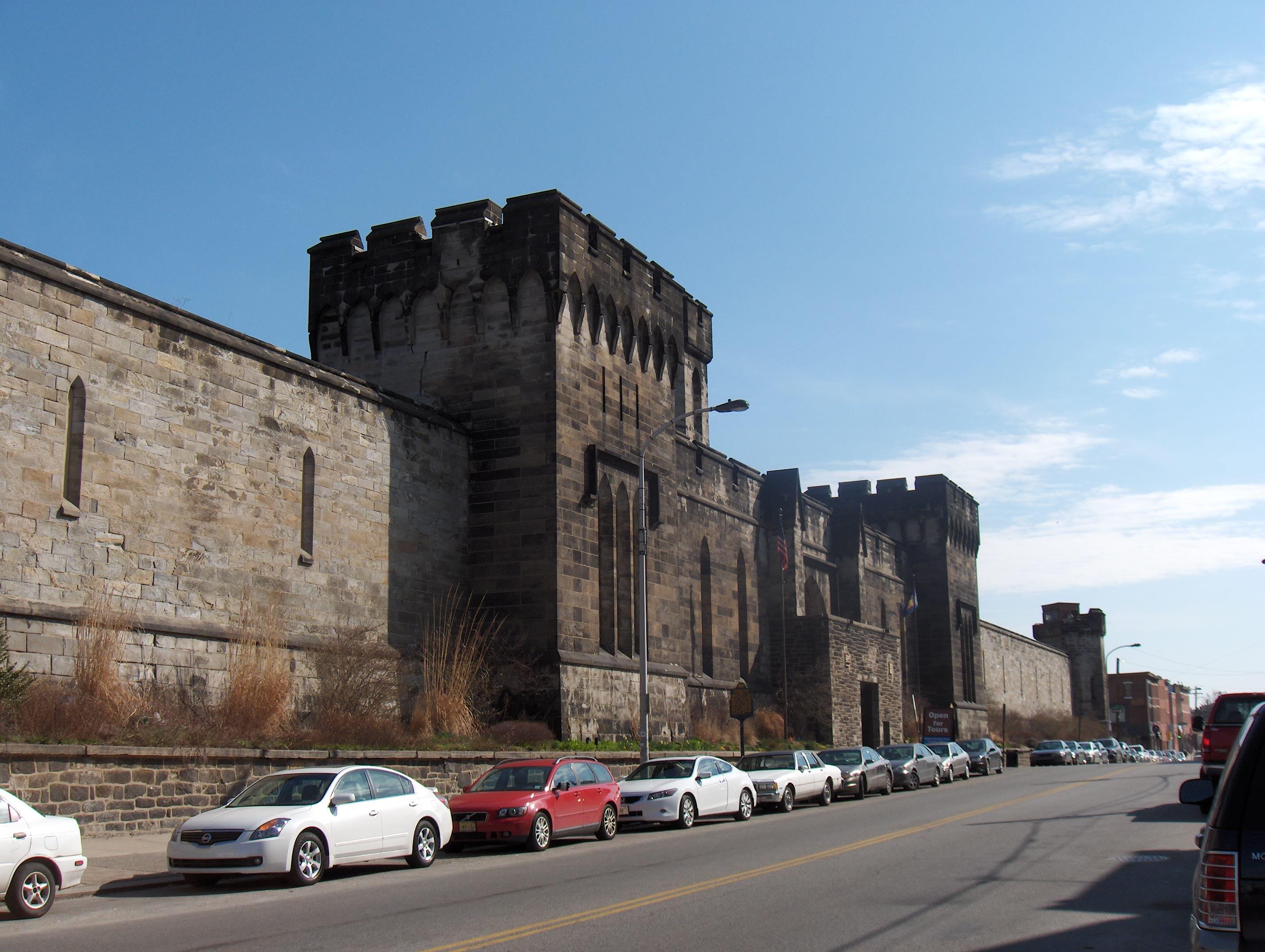
Davidt8 · Public domain · via Wikimedia Commons
Why It Matters
Eastern State Penitentiary was built on a radical idea: that solitude and reflection, not punishment and crowding, would reform criminals. Its wagon-wheel design of radiating cellblocks, each prisoner isolated in his own cell with only a Bible for company, became the most copied prison design on Earth, influencing more than 300 prisons worldwide. The 'Pennsylvania System' it pioneered was eventually condemned as cruel — Charles Dickens called it 'immeasurably worse than any torture of the body' — but its Gothic ruins remain one of the most striking monuments to the ambitions and failures of prison reform.
The History
Reformers including Benjamin Franklin's Philadelphia Society for Alleviating the Miseries of Public Prisons pushed for a new approach to incarceration, believing that solitary confinement with labor and religious instruction would produce genuine penitence — giving rise to the word 'penitentiary.' Architect John Haviland designed a radial, castle-like structure with seven cellblocks extending from a central hub, allowing guards to observe all wings at once. It opened in 1829 as the most expensive public building in the country.
Under the 'Pennsylvania System,' each prisoner lived in total isolation, exercising alone in a private outdoor yard and hooded when moved through the halls, so as never to see or speak with another inmate. Each cell had running water and central heat before the White House did, reflecting the era's genuine ambition for humane reform. But the psychological toll of prolonged isolation caused severe mental breakdowns among inmates, and by the 1860s and 1870s overcrowding had already forced multiple prisoners into single cells, abandoning the original model.
The prison operated for 142 years, housing notorious inmates including bank robber Willie Sutton and gangster Al Capone, before closing in 1971 due to deteriorating conditions and rising costs. Left to decay for two decades, its Gothic ruins were stabilized and opened to the public as a museum in 1994, preserving the building's decrepit atmosphere rather than fully restoring it. It was designated a National Historic Landmark in 1965.
Through the Years
- 1829
Eastern State Penitentiary opens under the 'Pennsylvania System'
- 1842
Charles Dickens visits and later condemns the isolation system
- 1929
Al Capone is incarcerated at the prison
- 1965
The prison is designated a National Historic Landmark
- 1971
Eastern State Penitentiary closes permanently
- 1994
The site opens to the public as a stabilized historic ruin
The Archive
 Plate 01
Cell block 7 inside Eastern State Penitentiary.
Thomas from Philadelphia Area, USA · CC BY-SA · via Wikimedia Commons
 Plate 02Historic · 2014
Aerial view of Eastern State Penitentiary.
Jack Boucher · Public domain · via Wikimedia Commons
 Plate 03Historic · 1836
The 1836 floor plan of the Eastern State Penitentiary in Philadelphia, Pennsylvania.
Design: John Haviland Engraving: Demetz and Blouet · Public domain · via Wikimedia Commons
 Plate 04Historic · 1998
View of tower at Eastern State Penitentiary.
Jack Boucher · Public domain · via Wikimedia Commons
Facts & Figures
History
- Opened
- 1829
- Closed
- 1971 (142 years of operation)
Architecture
- Architect
- John Haviland
Innovation
- System
- 'Pennsylvania System' of solitary confinement
Influence
- Global impact
- Influenced 300+ prisons worldwide
People
- Notable inmate
- Al Capone (1929–30)
Designation
- National Historic Landmark
- Designated 1965
The Register
- Architectural style
- Gothic Revival
- Builder
- John Haviland (architect)
- Area of significance
- Prison reform; architecture; criminal justice history
- County
- Philadelphia
- Acreage
- 14.3 acres
- National Register ref.
- 66000680
- Listed on the Register
- October 15, 1966
Frequently Asked
What was the 'Pennsylvania System'?
It was Eastern State's model of total solitary confinement, intended to inspire genuine penitence through isolation, labor, and religious reflection rather than communal punishment.
Why did the prison close?
Rising costs and deteriorating, outdated facilities led to its closure in 1971, ending 142 years of continuous operation.
Who were some of the prison's famous inmates?
Notable inmates included bank robber Willie Sutton and gangster Al Capone, who served part of a sentence there in 1929–1930.
Can you visit Eastern State Penitentiary today?
Yes. It operates as a museum with self-guided and specialty tours through the preserved, deliberately unrestored cellblocks, and hosts a large haunted-house event each fall.