Ancestral Puebloan · New Mexico
Chaco Culture
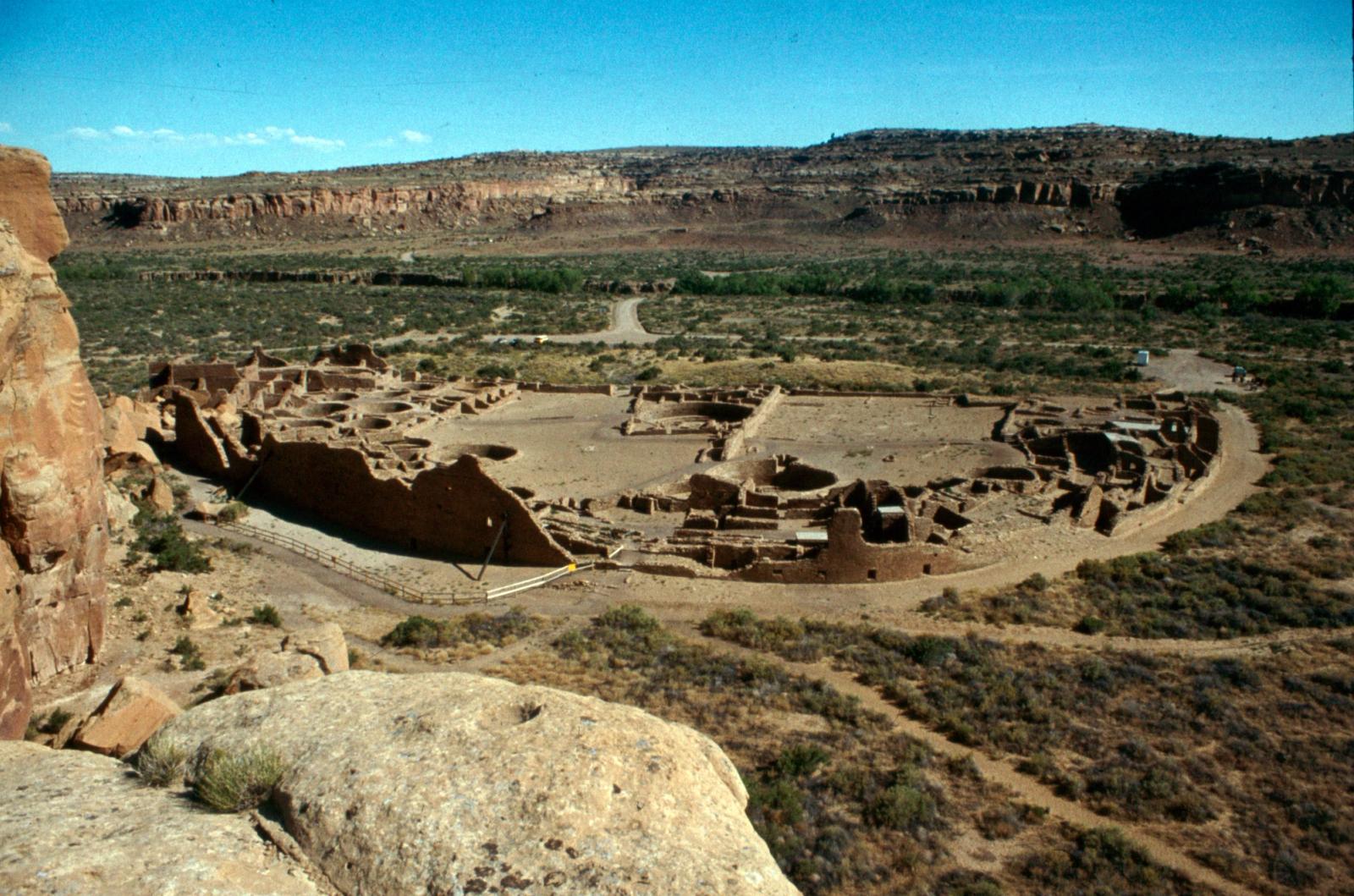
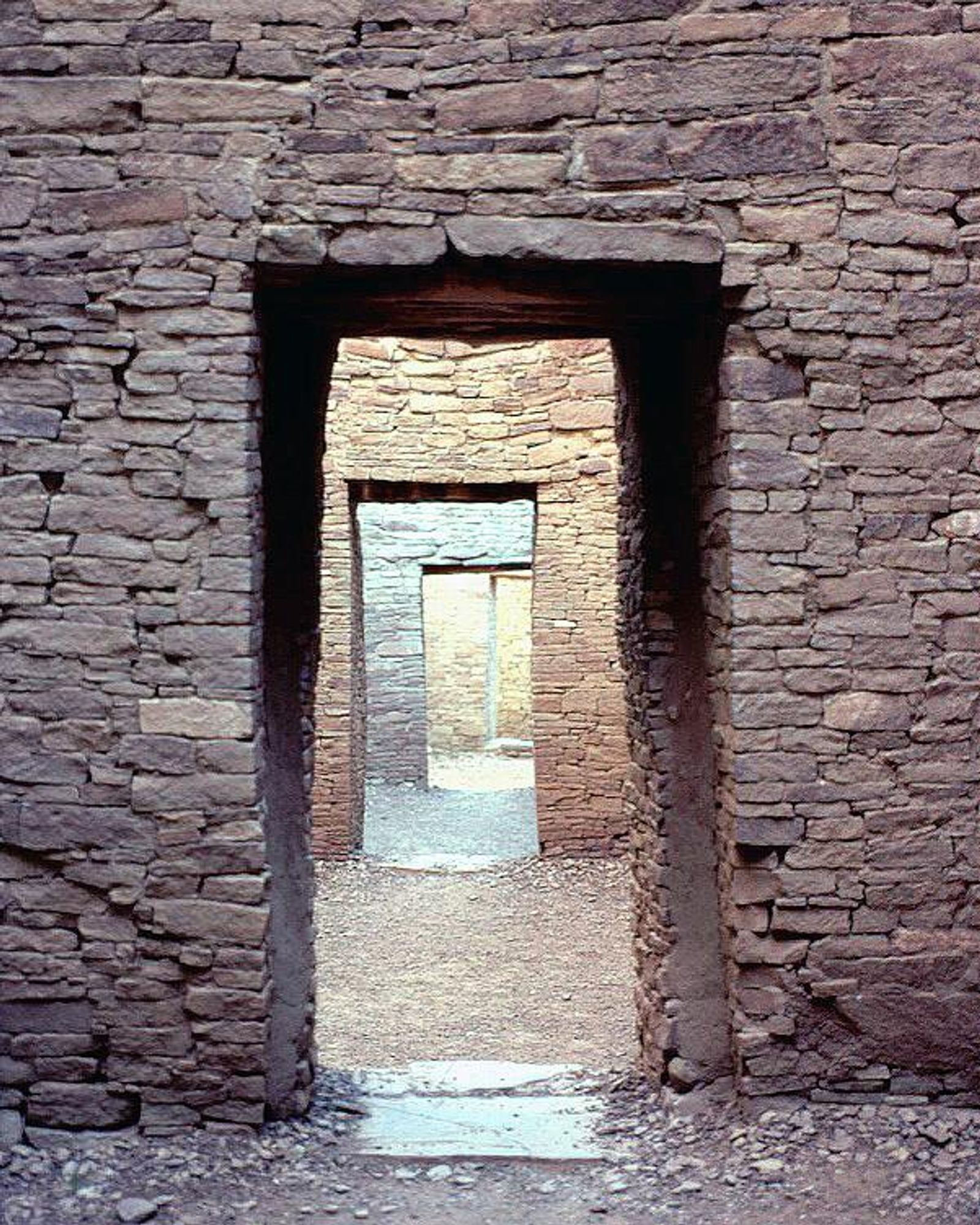
Pueblo Bonito, the largest great house at Chaco. — Nicholas Hartmann
Why Chaco Culture Matters
Chaco Culture preserves the heart of one of North America's most advanced ancient civilizations. For more than three centuries, from around 850 to 1150 CE, Chaco Canyon in remote New Mexico was the ceremonial and political center of the Ancestral Puebloan world — a place of monumental 'great houses,' precise astronomical alignments, and a vast network of engineered roads. Its scale and sophistication, achieved without metal tools or the wheel, make Chaco one of the most remarkable archaeological sites in the Americas.
By the Numbers
The Center
- Flourished
- c. 850-1150 CE
Great houses
- Pueblo Bonito
- Up to 4-5 stories, ~600-800 rooms
Engineering
- Roads
- A network of wide, straight Chacoan roads
Astronomy
- Alignments
- Buildings and the 'Sun Dagger' track solstices
The People
- Descendants
- The modern Pueblo peoples
Status
- UNESCO
- World Heritage Site (1987); also a Dark Sky Park
Today
- Operator
- National Park Service
Timeline
- c. 850 CEAncestral Puebloans begin building great houses in Chaco Canyon.
- 850-1150Chaco becomes the center of the Ancestral Puebloan world.
- 1000s-1100sPueblo Bonito and the Chacoan road network reach their height.
- c. 1150-1200Drought drives the decline and dispersal of the Chacoans.
- 1907Chaco Canyon is protected as a national monument.
- 1987Chaco Culture is designated a UNESCO World Heritage Site.
Complete History
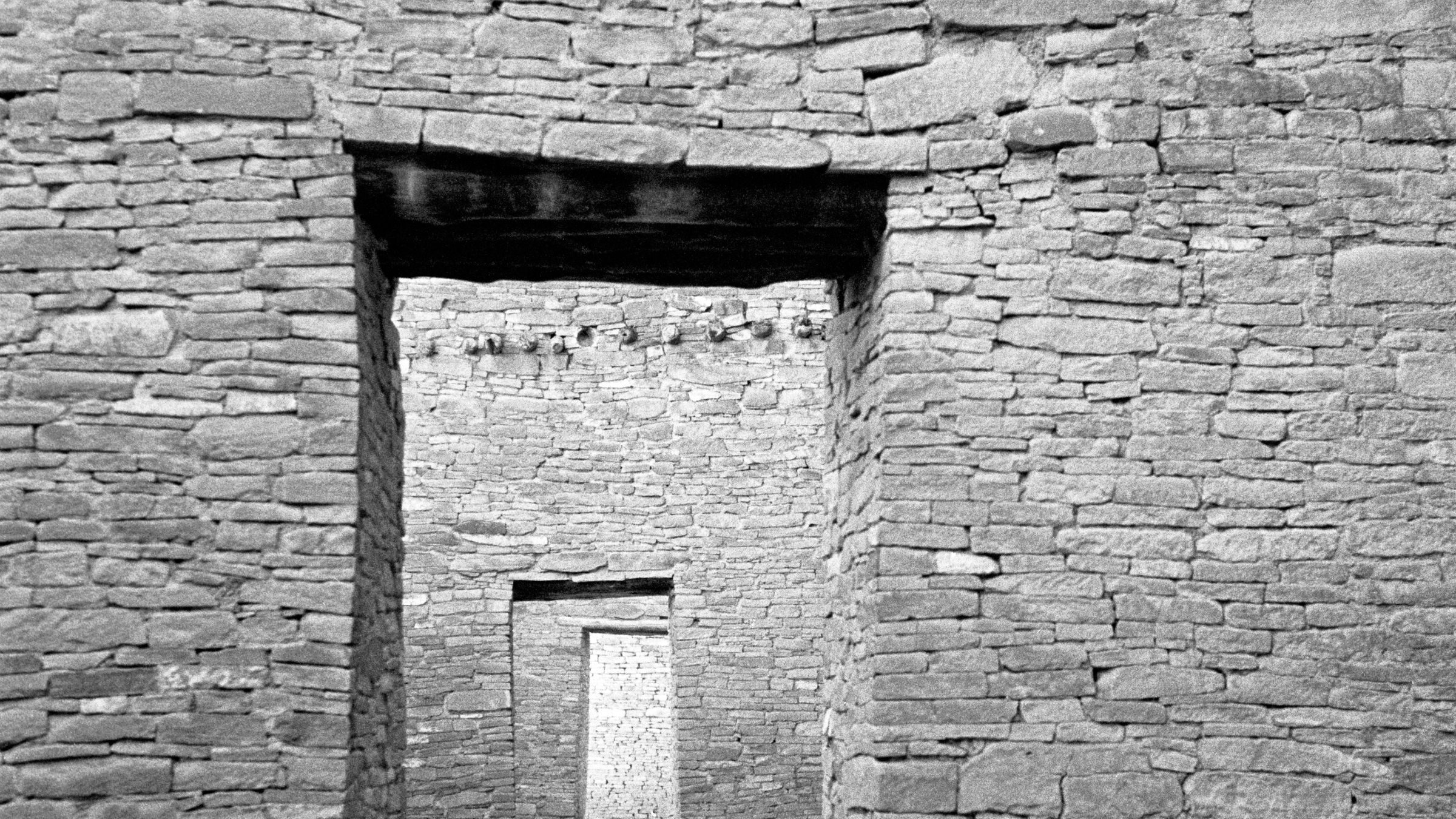
Beginning around 850 CE, the Ancestral Puebloans made Chaco Canyon, in the high desert of northwestern New Mexico, the hub of a civilization that spread across the San Juan Basin. Over the next three hundred years they built a series of monumental 'great houses' — massive, multi-story buildings of shaped sandstone, planned and constructed with striking precision using only stone tools and timber hauled from distant mountains.
The greatest of these, Pueblo Bonito, grew over generations into a D-shaped complex of perhaps 600 to 800 rooms rising four or five stories, with dozens of round ceremonial chambers called kivas. Chaco's builders aligned their structures to the cycles of the sun and moon, and a famous 'Sun Dagger' on nearby Fajada Butte marked the solstices. Wide, remarkably straight roads radiated from the canyon for miles, linking Chaco to scores of outlying communities.
Chaco was less a crowded city than a ceremonial and administrative center, drawing people and goods — turquoise, timber, even macaws from Mesoamerica — from across the region. In the mid-1100s, amid a prolonged drought, the Chacoan world declined and its people dispersed, moving to new communities. Their descendants include the modern Pueblo peoples. The canyon is preserved today as Chaco Culture National Historical Park and a UNESCO World Heritage Site.
Historic Images
Interesting Facts
- Chaco Canyon was the center of Ancestral Puebloan civilization for over 300 years, from about 850 to 1150 CE.
- Pueblo Bonito, the largest great house, contained an estimated 600 to 800 rooms and rose four or five stories.
- The Chacoans built a network of wide, remarkably straight roads linking the canyon to outlying communities across the region.
- Chacoan buildings were aligned to the cycles of the sun and moon, and a 'Sun Dagger' on Fajada Butte marks the solstices with shafts of light.
- The site is so remote and dark that it is now a designated Dark Sky Park, prized for stargazing.
Visiting Today
- Hours
- The park is open daily during daylight hours, with a visitor center; access is via several miles of rough, unpaved road that can be impassable in bad weather. Check conditions with the National Park Service before going.
- Admission
- An entrance fee is charged. National Park passes are accepted. The remote campground is popular with stargazers.
- Best time to visit
- Spring and fall bring the mildest weather; summer is hot and winter roads can be difficult. Clear nights are spectacular for stargazing in this Dark Sky Park.
- Nearby
- The wider San Juan Basin, the town of Nageezi, and Aztec Ruins National Monument to the north.
The access road is long, unpaved, and rough — allow extra time and check conditions and your vehicle. Bring plenty of water and fuel, as services are far away, and stay for the night sky if you can.
Frequently Asked Questions
What is Chaco Culture?
It is a national historical park in New Mexico preserving Chaco Canyon, the ceremonial and political center of the Ancestral Puebloans from about 850 to 1150 CE, with monumental stone 'great houses.'
What is Pueblo Bonito?
Pueblo Bonito is the largest 'great house' at Chaco — a planned, multi-story stone building of an estimated 600 to 800 rooms, built in stages over roughly three centuries.
Who built Chaco Canyon?
The Ancestral Puebloans, ancestors of today's Pueblo peoples, built Chaco's great houses and roads without metal tools, the wheel, or draft animals.
Can you visit Chaco Culture?
Yes. Chaco Culture National Historical Park is open to visitors, though it lies down a long unpaved road in remote New Mexico. A loop drive and trails lead to Pueblo Bonito and other great houses.