Native American · New Mexico
Taos Pueblo
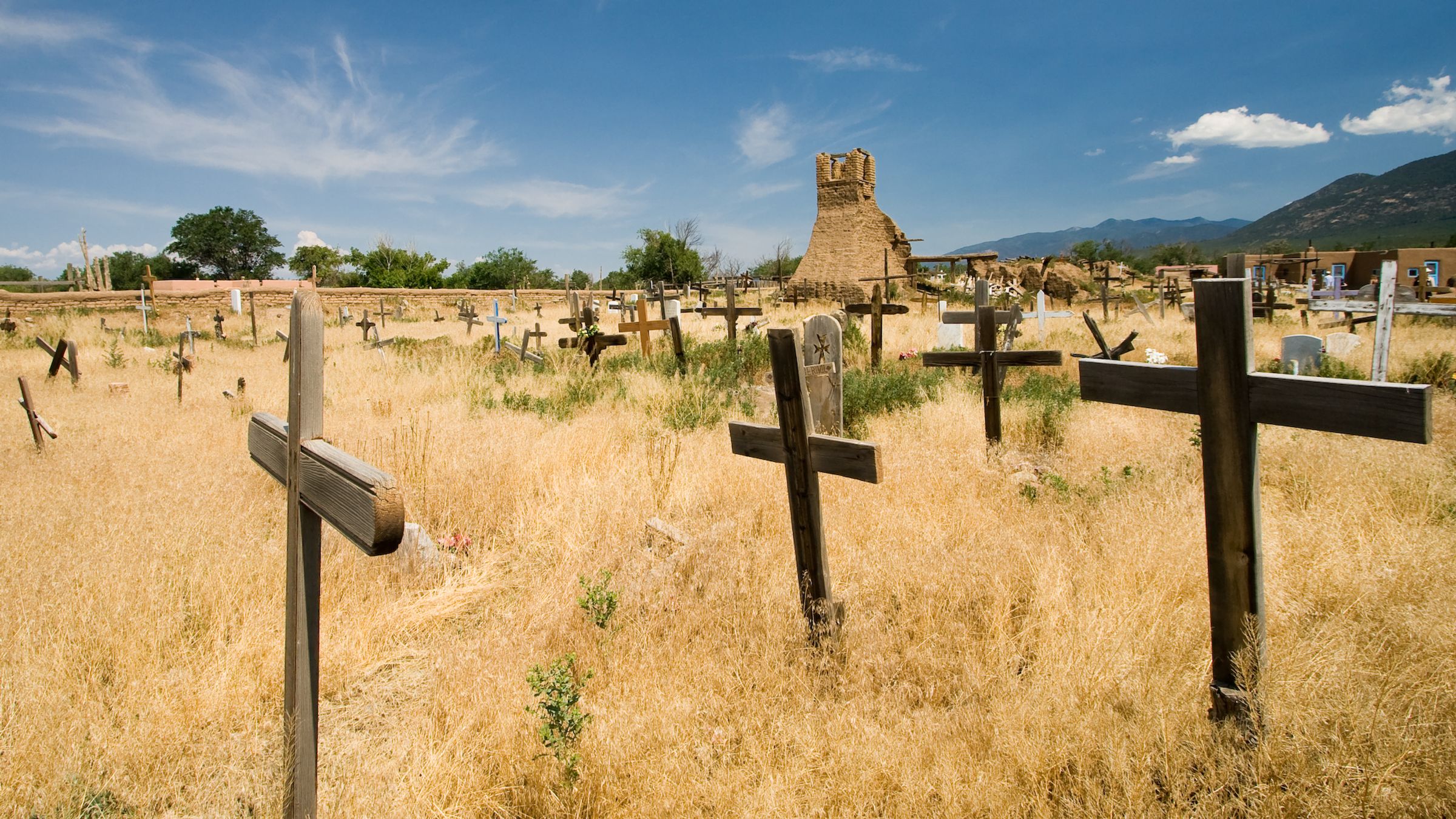
The North House (Hlauuma) of Taos Pueblo. — Luca Galuzzi
Why Taos Pueblo Matters
Taos Pueblo is one of the oldest continuously inhabited communities in the United States — a striking complex of multi-story adobe houses that the Taos people have lived in for more than a thousand years. Rising in tiers of sun-dried earth against the mountains of northern New Mexico, its North and South houses have sheltered the same Tiwa-speaking community since long before European contact. Still a living village governed by its own people, it is both a National Historic Landmark and a UNESCO World Heritage Site.
By the Numbers
The Pueblo
- Built
- c. 1000-1450 CE, of adobe
- Distinction
- Among the oldest continuously inhabited U.S. communities
The Houses
- Structure
- Multi-story adobe; up to 5 stories
The People
- Language
- Tiwa (Taos)
Sacred site
- Blue Lake
- Returned to the Pueblo in 1970
Status
- Designations
- National Historic Landmark; UNESCO World Heritage Site
Today
- Governance
- Sovereign, self-governed tribal community
Timeline
- c. 1000-1450The adobe house blocks of Taos Pueblo are built.
- 1540Spanish explorers first reach the pueblo.
- 1680Taos joins the Pueblo Revolt against Spanish rule.
- 1847The Taos Revolt against U.S. rule ends at the mission church.
- 1960Taos Pueblo is designated a National Historic Landmark.
- 1970The Pueblo regains its sacred Blue Lake.
- 1992Designated a UNESCO World Heritage Site.
Complete History
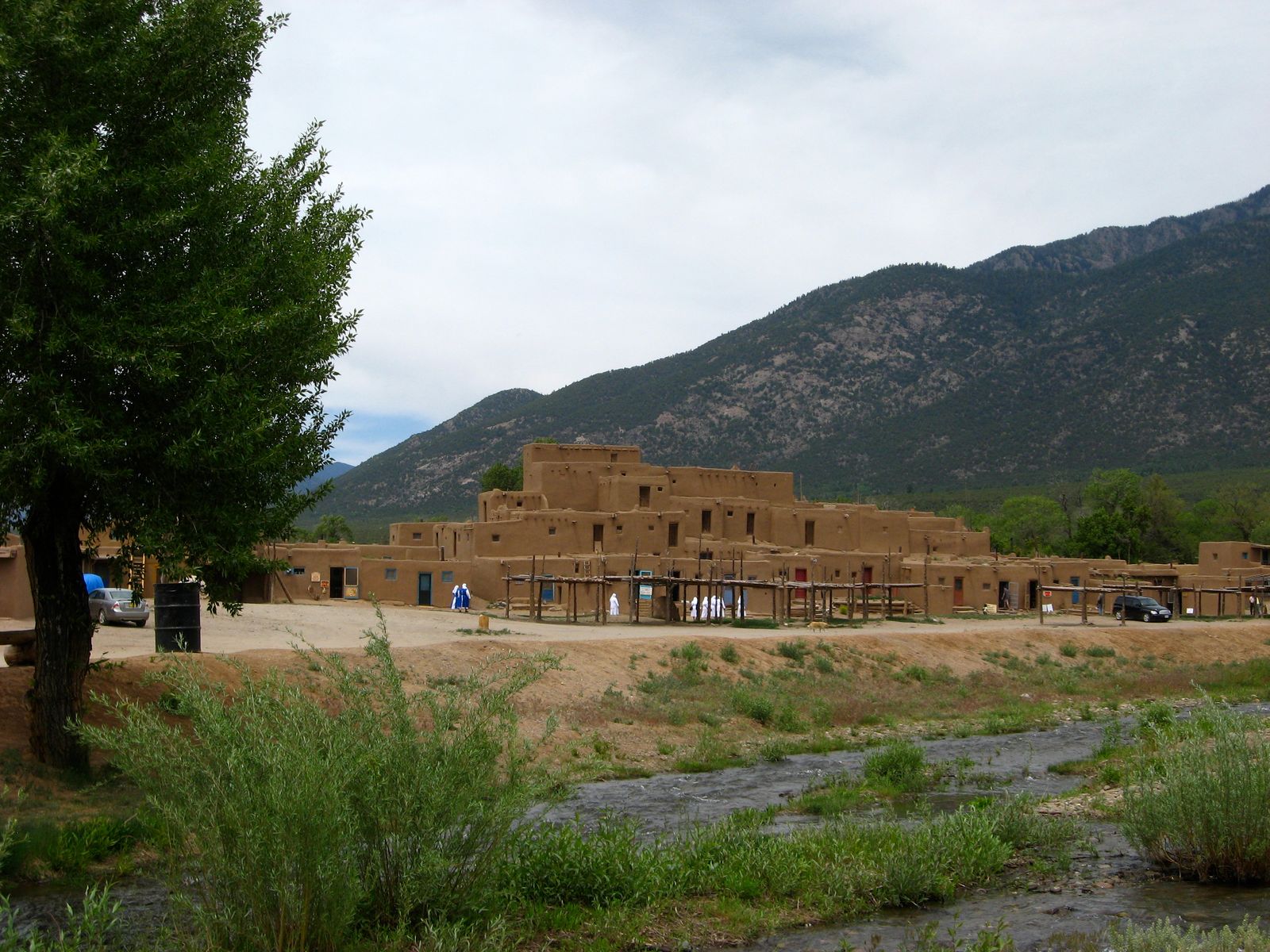
The Taos people, who speak a Tiwa language, have lived at the foot of the Sangre de Cristo Mountains for many centuries. The great adobe house blocks of Taos Pueblo — Hlauuma, the North House, and Hlaukwima, the South House — were built roughly between 1000 and 1450 CE and have been continuously inhabited ever since, making the pueblo one of the oldest living communities in North America.
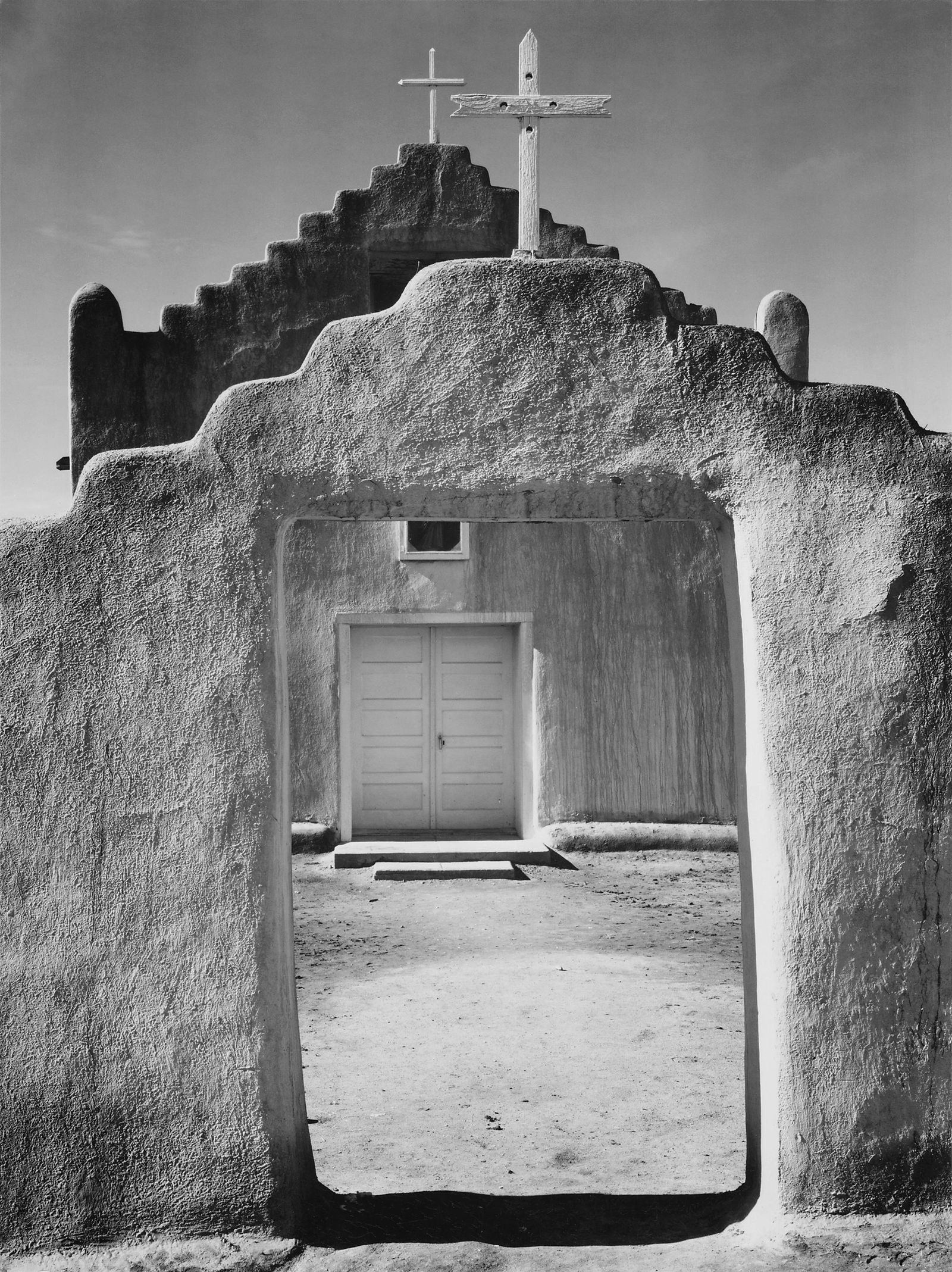
Built entirely of adobe — earth and straw shaped into bricks and plastered smooth — the houses rise as high as five stories, their rooms stacked and stepped back like terraces. Traditionally they were entered by ladders through the roof for defense. The pueblo became a center of resistance to colonial rule: its people took part in the Pueblo Revolt of 1680 against the Spanish, and in 1847 the Taos Revolt against the new American government ended in a bloody assault on the mission church.
Through Spanish, Mexican, and American rule, the Taos community endured and kept its traditions. In a landmark victory in 1970, after decades of struggle, the Pueblo regained Blue Lake, a site sacred to its people high in the mountains. Today Taos Pueblo remains a sovereign, self-governed community; by choice the historic village keeps to traditional ways, without electricity or running water in its ancient core, while welcoming respectful visitors.
Historic Images
Interesting Facts
- Taos Pueblo has been continuously inhabited for over 1,000 years, making it one of the oldest living communities in the United States.
- Its multi-story adobe houses are built of sun-dried earth and straw, with walls that are replastered by hand to maintain them.
- By choice, the historic village has no electricity or running water in its ancient core, preserving a traditional way of life.
- The Taos people took part in the 1680 Pueblo Revolt and the 1847 Taos Revolt against colonial and U.S. authorities.
- In 1970 the Pueblo won back Blue Lake, a sacred mountain site, after a decades-long campaign — a milestone in Native American land rights.
Visiting Today
- Hours
- The Pueblo is generally open to visitors during daytime hours, but it closes for a period each year and for tribal ceremonies. Always check the official Taos Pueblo website or call ahead before visiting.
- Admission
- An admission fee is charged, and guided walking tours led by community members are available. Visitors should respect posted rules, including any restrictions on photography.
- Best time to visit
- Late spring through fall offers the mildest weather; the San Geronimo Feast Day in late September is a notable annual event, though some ceremonies are closed to outsiders.
- Nearby
- The town of Taos, the Rio Grande Gorge Bridge, and the ski and art communities of northern New Mexico.
Remember that Taos Pueblo is a living community and private homes are not open — stay in visitor areas and follow residents' guidance. Ask permission before photographing people, and buy directly from the artisans to support the community.
Frequently Asked Questions
How old is Taos Pueblo?
Its adobe house blocks were built roughly between 1000 and 1450 CE and have been continuously inhabited ever since, making Taos Pueblo more than a thousand years old — one of the oldest living communities in the U.S.
Do people still live in Taos Pueblo?
Yes. Taos Pueblo is a living community; around 150 people live full-time within the historic adobe village, and many more on surrounding Pueblo lands. It is a sovereign, self-governed tribal nation.
What is Taos Pueblo made of?
It is built of adobe — bricks of sun-dried earth and straw, plastered smooth. The multi-story houses are maintained by regularly replastering their walls by hand.
Can you visit Taos Pueblo?
Yes. The Pueblo welcomes respectful visitors, usually with an admission fee, though it closes for certain ceremonies and observances. Photography and access are subject to the community's rules.