- The 19th Century (1800–1900)
- 42.9109° N, 76.7986° W
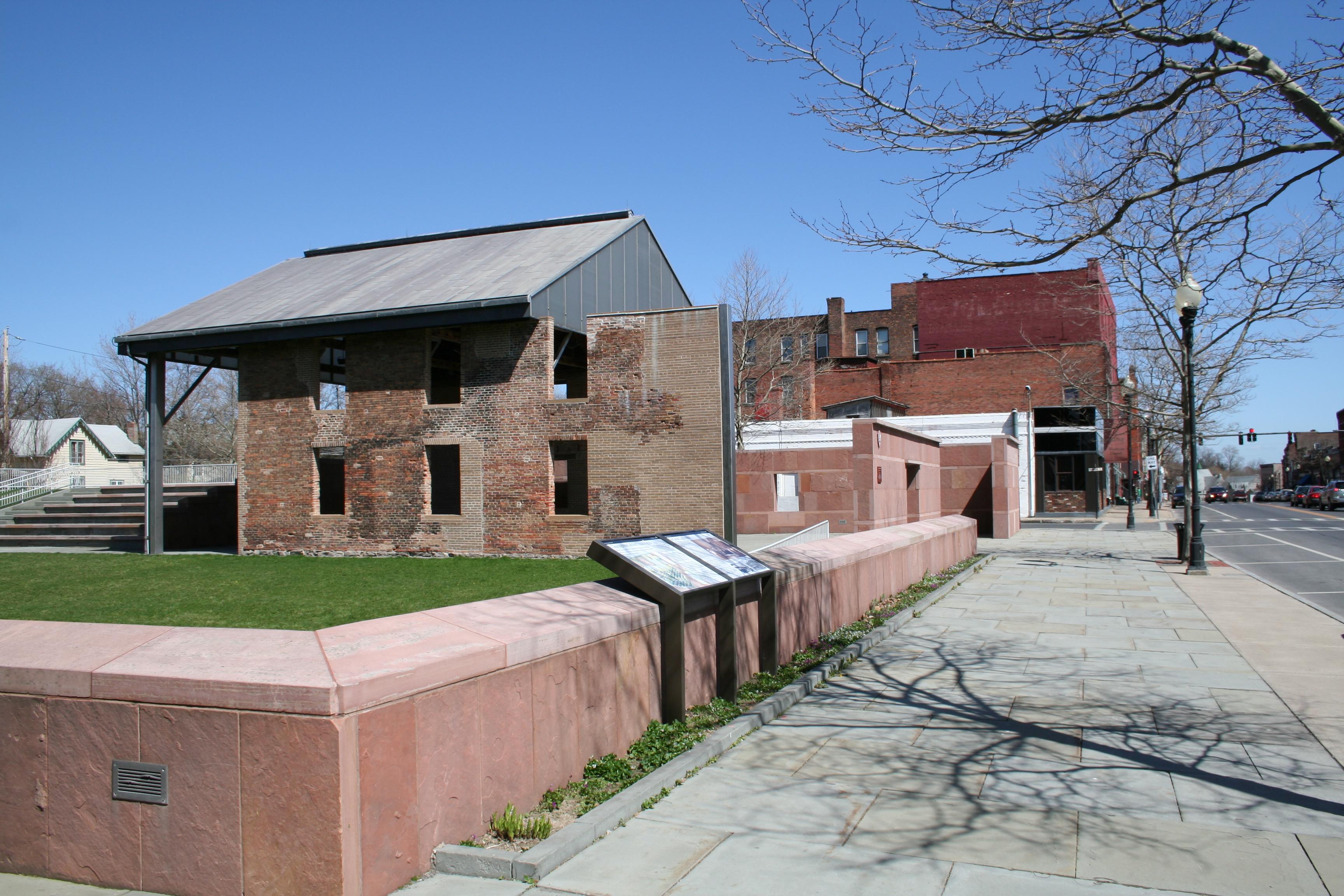
Women's Rights National Historical Park
Seneca Falls, New York · Established 1848
National Park Service · Public domain · via Wikimedia Commons
Why It Matters
In a small chapel in upstate New York in July 1848, a gathering of women and men issued a declaration that would take more than seventy years to fully redeem: that women deserved the same rights as men, including the vote. The Seneca Falls Convention, organized by Elizabeth Cady Stanton and Lucretia Mott, was the first women's rights convention in the United States, and its Declaration of Sentiments became the founding document of the American suffrage and women's rights movements.
The History
Elizabeth Cady Stanton, Lucretia Mott, and a small circle of reformers had met at the London World Anti-Slavery Convention in 1840, where women delegates were barred from participating — an injustice that stayed with them. Eight years later, in July 1848, they organized a two-day convention at Seneca Falls, drawing some 300 attendees to the Wesleyan Methodist Chapel to discuss the social, civil, and religious condition of women.
Modeled deliberately on the Declaration of Independence, the convention's Declaration of Sentiments asserted that 'all men and women are created equal' and listed grievances including the denial of suffrage, property rights, and equal opportunity. The most contested resolution — demanding women's right to vote — passed narrowly, championed by Stanton and supported by Frederick Douglass, who attended and spoke in its favor. Of roughly 300 attendees, about 100 signed the document.
Seneca Falls launched a movement that spanned generations, linking to the homes of Stanton and fellow organizer M'Clintock family nearby. The struggle for suffrage would not fully succeed until the ratification of the 19th Amendment in 1920, seventy-two years later and eighteen years after Stanton's death. Congress established the Women's Rights National Historical Park in 1980, preserving the Wesleyan Chapel site, the Declaration of Sentiments waterwall, and the Stanton House.
Through the Years
- 1840
Stanton and Mott are barred as delegates at the London Anti-Slavery Convention
- 1848
The Seneca Falls Convention convenes on July 19–20
- 1848
The Declaration of Sentiments is adopted, signed by about 100 attendees
- 1920
The 19th Amendment grants women the right to vote
- 1980
Congress establishes the Women's Rights National Historical Park
The Archive
 Plate 01
Visitors watch a living history presentation at the Women's Rights National Historical Park
NPS Photo · Public domain · via Wikimedia Commons
 Plate 02
A woman in 19th century clothing speaks inside a brick room at the Women's Rights National Historical Park.
NPS Photo · Public domain · via Wikimedia Commons
Facts & Figures
History
- Convention
- July 19–20, 1848
- Attendees
- ~300; ~100 signed the Declaration
People
- Organizers
- Elizabeth Cady Stanton, Lucretia Mott
- Notable supporter
- Frederick Douglass
Document
- Model
- Declaration of Independence
Legacy
- Suffrage achieved
- 19th Amendment, 1920
Designation
- National Historical Park
- Established 1980
The Register
- Established
- 1848
- Area of significance
- Women's rights; social reform
Frequently Asked
What happened at the Seneca Falls Convention?
In July 1848, reformers led by Elizabeth Cady Stanton and Lucretia Mott convened the first women's rights convention in the U.S., adopting the Declaration of Sentiments demanding equal rights, including suffrage.
Who wrote the Declaration of Sentiments?
Elizabeth Cady Stanton drafted it, modeling its language closely on the Declaration of Independence to assert the equality of women.
Did Seneca Falls lead directly to women getting the vote?
It launched the movement, but full suffrage took 72 more years, arriving with the 19th Amendment in 1920, well after most of the original organizers had died.
What can you see at the park today?
Visitors can see the Wesleyan Chapel site with its Declaration of Sentiments waterwall, a visitor center with exhibits, and the nearby Elizabeth Cady Stanton House.