- Early Republic (1783–1815)
- 38.9834° N, 76.4785° W
United States Naval Academy
Annapolis, Maryland · Established 1845
National Museum of the U.S. Navy · Public domain · via Wikimedia Commons
Why It Matters
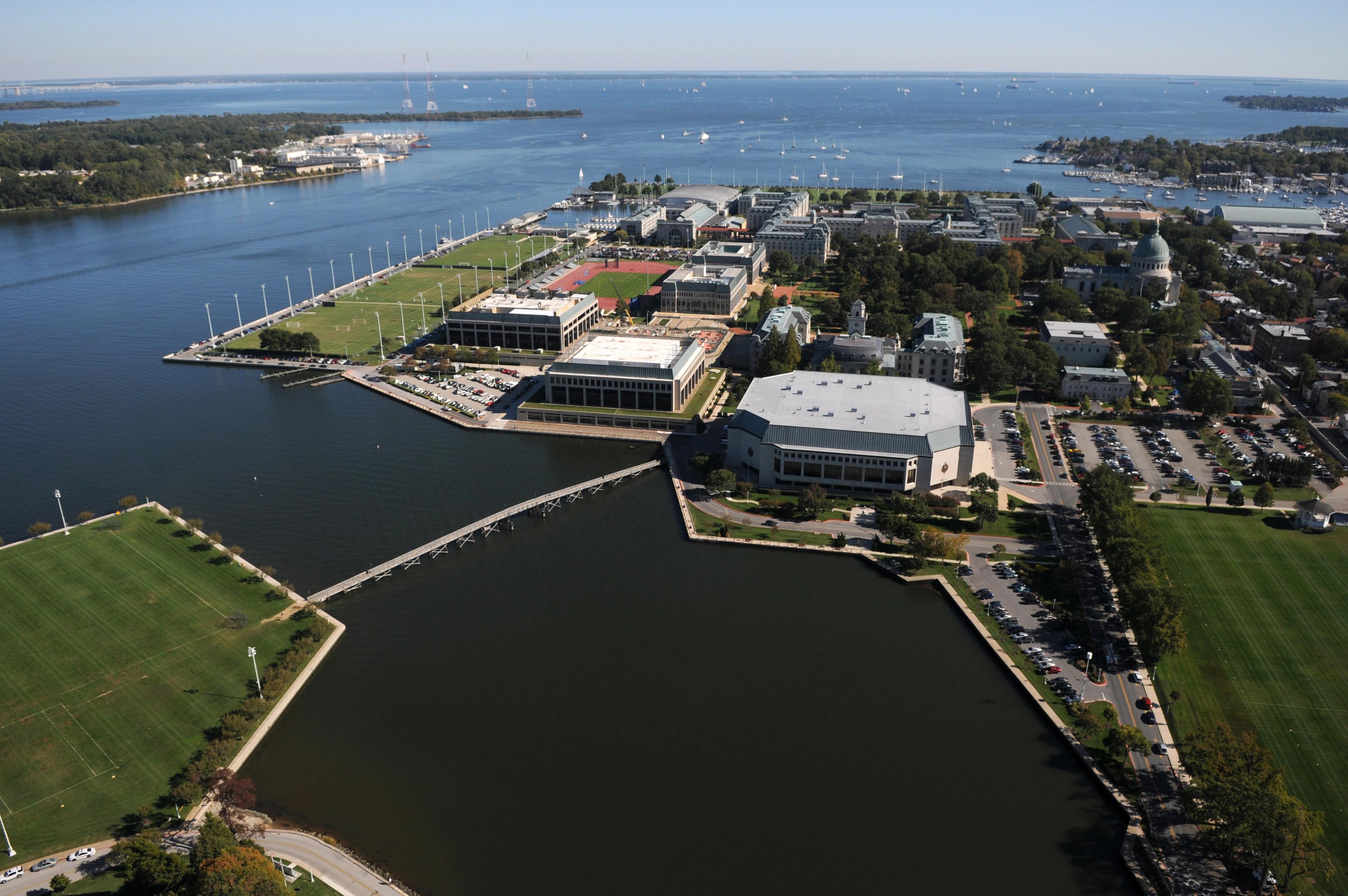
On a spit of land where the Severn River meets the Chesapeake Bay, the U.S. Naval Academy has shaped the officers who led the American Navy through the age of steam, two world wars, and the nuclear era. Founded in 1845 to replace an informal, uneven system of training midshipmen at sea, Annapolis brought naval education ashore into a rigorous academic program, and its grand Beaux-Arts campus, centered on the domed Bancroft Hall, remains one of the most striking collegiate landscapes in the country.
The History
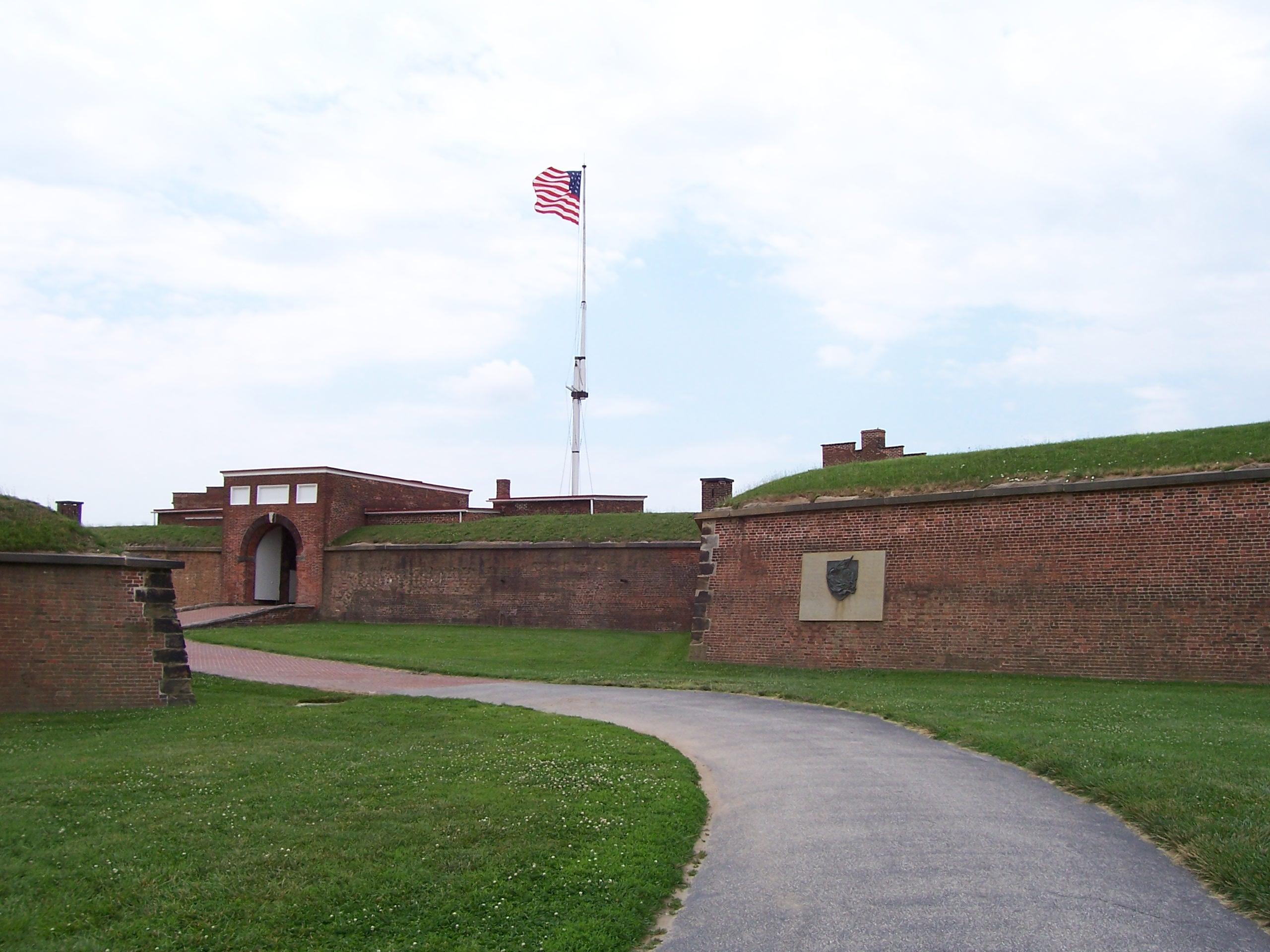
Before 1845, the Navy trained midshipmen largely at sea with inconsistent results. Secretary of the Navy George Bancroft established the Naval School at Fort Severn, a former Army post in Annapolis, Maryland, in October 1845, bringing academic rigor — including mathematics, navigation, and gunnery — to officer training for the first time. It was renamed the United States Naval Academy in 1850.
During the Civil War the academy relocated temporarily to Newport, Rhode Island, as Maryland's loyalties were contested, returning to Annapolis in 1865. At the turn of the 20th century the campus was dramatically rebuilt in Beaux-Arts style under architect Ernest Flagg, centered on the massive Bancroft Hall dormitory, still one of the largest single dormitories in the world, housing the entire brigade of midshipmen under one roof.
The Academy has graduated generations of naval leaders, including many astronauts and, notably, President Jimmy Carter. Women were first admitted in 1976. Today the Naval Academy remains a highly selective four-year federal service academy commissioning officers into the Navy and Marine Corps, its grounds anchored by the John Paul Jones crypt beneath the Naval Academy Chapel.
Through the Years
- 1845
George Bancroft establishes the Naval School at Fort Severn
- 1850
The school is renamed the United States Naval Academy
- 1861
The academy relocates temporarily to Newport during the Civil War
- 1865
The academy returns to its Annapolis campus
- 1908
Bancroft Hall and the Beaux-Arts campus rebuild are largely completed
- 1976
Women are admitted to the Naval Academy for the first time
The Archive
 Plate 01
Michelson Hall, a building at the United States Naval Academy, Annapolis, Maryland.
Carol M. Highsmith Archive, Library of Congress · No known restrictions · via Library of Congress
Facts & Figures
History
- Founded
- October 1845 as the Naval School
- Renamed
- United States Naval Academy, 1850
- Women admitted
- 1976
Architecture
- Bancroft Hall
- One of the world's largest dormitories
- Architect
- Ernest Flagg (Beaux-Arts rebuild)
Site
- Notable burial
- John Paul Jones crypt, Naval Academy Chapel
People
- Notable graduate
- President Jimmy Carter
The Register
- Established
- 1845
- Architectural style
- Beaux-Arts (Bancroft Hall and campus by Ernest Flagg)
- Builder
- Founded by Secretary of the Navy George Bancroft
- Area of significance
- Naval education; national defense
Frequently Asked
When was the Naval Academy founded?
Secretary of the Navy George Bancroft founded it as the Naval School at Fort Severn in Annapolis in October 1845; it was renamed the United States Naval Academy in 1850.
What is Bancroft Hall?
It's the Naval Academy's massive central dormitory, one of the largest single dormitories in the world, housing the entire brigade of midshipmen under one roof.
When were women admitted to the Naval Academy?
Women were first admitted in 1976, the same year they were admitted to the other federal service academies.
Can you visit the Naval Academy?
Yes. Visitors can tour the Visitor Center, the Naval Academy Chapel and John Paul Jones crypt, and the grounds, with guided walking tours available.