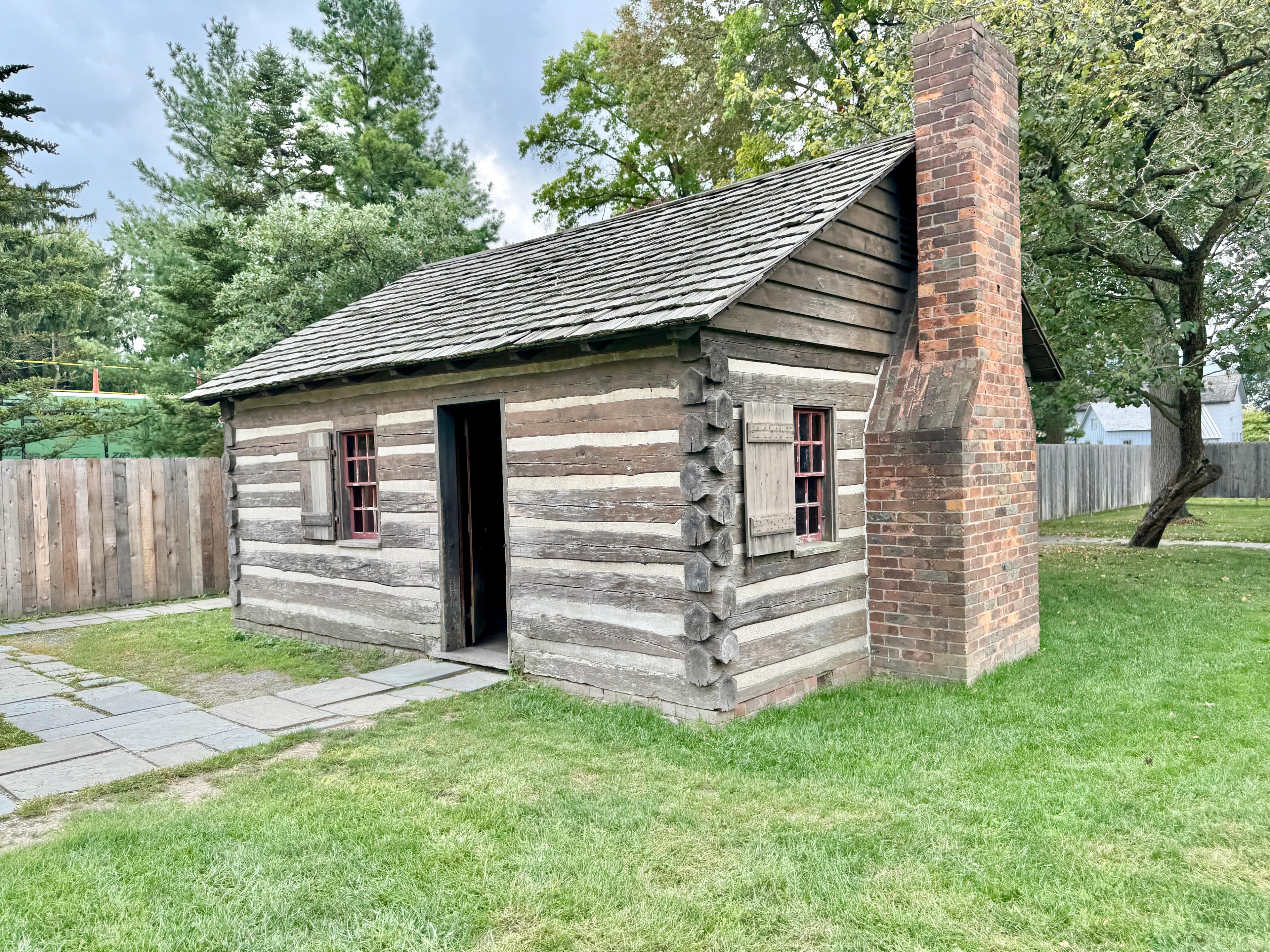
- Gilded Age (1865–1900)
- 40.7998° N, 74.2382° W
Thomas Edison National Historical Park
West Orange, New Jersey · Established 1887
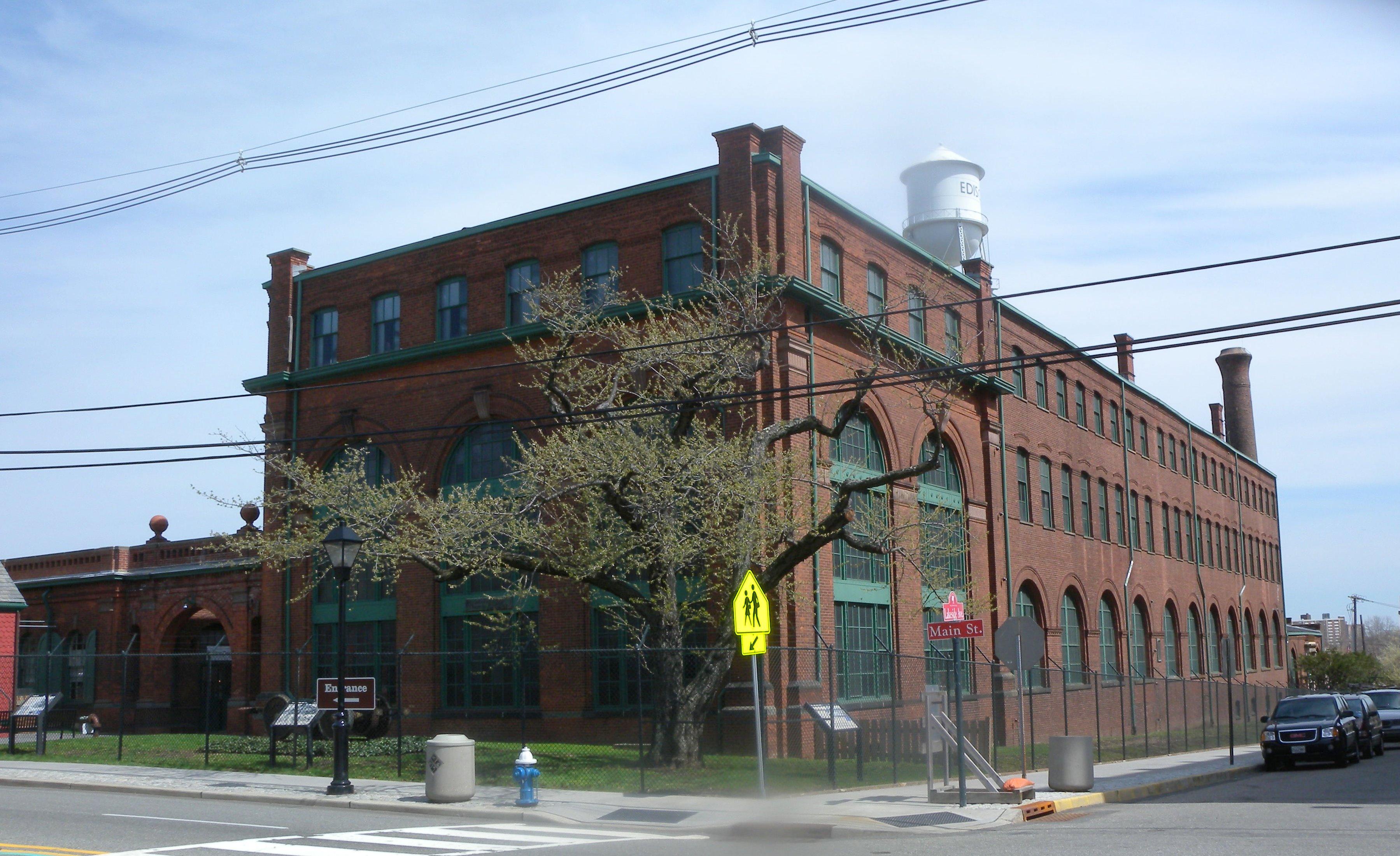
Jim.henderson · CC0 · via Wikimedia Commons
Why It Matters
The industrial-scale laboratory where roughly half of Edison's 1,093 patents were born, including the world's first motion picture studio, a rotating tar-paper shed that helped invent the movies.
The History
By 1887, Thomas Edison had outgrown his famous Menlo Park laboratory and built a far larger, more industrial complex in West Orange, New Jersey, complete with a machine shop, chemistry laboratories, and a three-story library. Unlike the small operation at Menlo Park, West Orange functioned almost like a modern research and development company, with teams of engineers and technicians working simultaneously on dozens of projects under Edison's direction.
It was here that Edison's team developed and refined the Kinetograph motion picture camera in 1891, and in 1893 built the 'Black Maria,' a tar-paper-covered structure mounted on a circular track so it could rotate to follow the sun, widely considered the world's first motion picture production studio. The lab also produced major improvements to the phonograph, refining Edison's wax cylinder recording technology into a commercially viable product.
Edison worked from West Orange until his death in 1931, and roughly half of his eventual total of 1,093 U.S. patents trace back to work done there. His nearby home, Glenmont, a Queen Anne mansion in Llewellyn Park, is preserved alongside the laboratory complex as part of the same historical park, which was designated a National Monument in 1955 and redesignated Thomas Edison National Historical Park in 2009. Edison's earlier, smaller Menlo Park laboratory was later relocated entirely to Greenfield Village in Michigan.
Through the Years
- 1887
Edison opens his West Orange laboratory complex
- 1891
The Kinetograph motion picture camera is developed at West Orange
- 1893
The 'Black Maria' motion picture studio is built
- 1931
Thomas Edison dies
- 1955
The site is designated a National Monument
- 2009
Redesignated Thomas Edison National Historical Park
The Archive
 Plate 01
Entrance to The Thomas Edison National Historical Park in West Orange, New Jersey.
Carol M. Highsmith Archive, Library of Congress · No known restrictions · via Library of Congress
 Plate 02
Staircase in Thomas Edison's office & library at The Thomas Edison National Historical Park in West Orange, New Jersey.
Carol M. Highsmith Archive, Library of Congress · No known restrictions · via Library of Congress
 Plate 03
Light switch panel in Thomas Edison's office & library at The Thomas Edison National Historical Park in West Orange, New Jersey.
Carol M. Highsmith Archive, Library of Congress · No known restrictions · via Library of Congress
 Plate 04
Exterior entrance at The Thomas Edison National Historical Park in West Orange, New Jersey.
Carol M. Highsmith Archive, Library of Congress · No known restrictions · via Library of Congress
Facts & Figures
Founding
- Built
- 1887, replacing Edison's earlier and smaller Menlo Park laboratory
Legacy
- Patents
- Roughly half of Edison's 1,093 U.S. patents originated here
Film History
- Black Maria
- Built 1893, considered the world's first motion picture production studio
Invention
- Kinetograph
- The motion picture camera developed and refined here, 1891
- Phonograph
- Wax cylinder phonograph improved and refined at West Orange
Site
- Glenmont
- Edison's nearby Queen Anne mansion, also part of the historical park
Designation
- Designation
- National Monument (1955), redesignated Thomas Edison National Historical Park (2009)
The Register
- Established
- 1887
- Builder
- Thomas Edison
- Area of significance
- Invention, Technology, Film History
Frequently Asked
What made the West Orange lab different from Menlo Park?
West Orange, built in 1887, was a far larger and more industrial facility than Edison's earlier Menlo Park laboratory, with dedicated buildings for machining, chemistry, and eventually motion picture production.
What was the 'Black Maria'?
A tar-paper-covered building built in 1893 at West Orange, widely considered the world's first motion picture production studio; it was mounted on a track so it could be rotated to follow sunlight for filming.
How many patents came from this lab?
Roughly half of Edison's 1,093 total U.S. patents originated from work conducted at the West Orange laboratory.
Can visitors also see Edison's home?
Yes. Glenmont, Edison's Queen Anne-style home in nearby Llewellyn Park, is preserved as part of the same national historical park.