20th Century · New York
Stonewall Inn
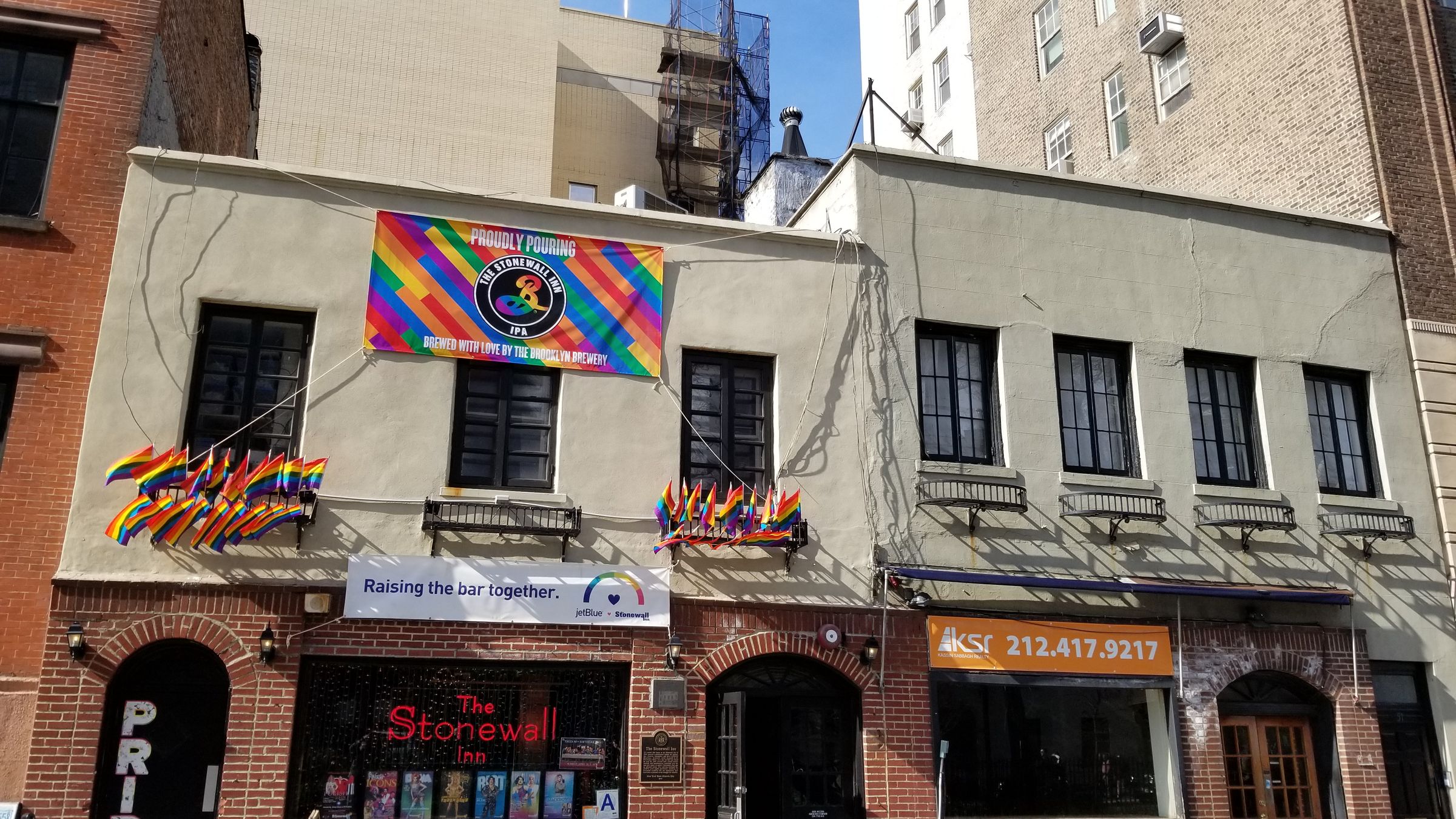
The Stonewall Inn today, Christopher Street. — Antigng
Why Stonewall Inn Matters
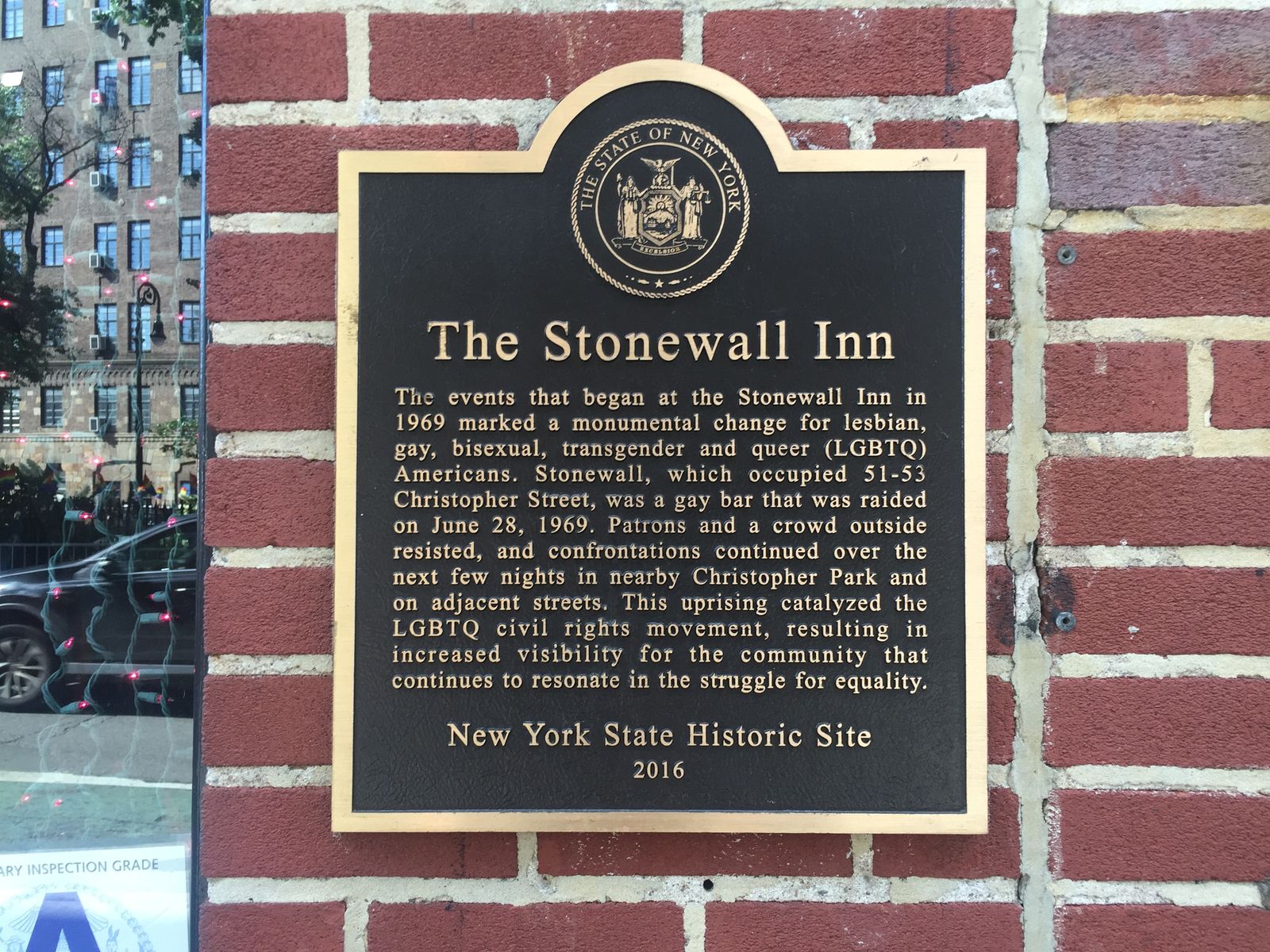
In the early hours of June 28, 1969, patrons of a small Greenwich Village bar fought back against a police raid, and the modern LGBTQ+ rights movement was born. The Stonewall Inn had been one of the few places gay, lesbian, and transgender New Yorkers could gather openly in an era when doing so was routinely criminalized. The riots that followed over the next several nights galvanized a generation of activism, and a year later the first Pride marches commemorated the uprising — a tradition now observed worldwide every June.
By the Numbers
History
- Uprising began
- June 28, 1969
- Duration of unrest
- ~6 nights
People
- Key figures
- Marsha P. Johnson, Sylvia Rivera
Legacy
- First Pride march
- June 28, 1970
- Organization founded
- Gay Liberation Front, 1969
Designation
- National Monument
- Designated June 24, 2016
Significance
- First of its kind
- First NPS unit for LGBTQ+ history
Timeline
- 1930The building opens as the Stonewall Inn
- 1967The bar reopens as a mafia-run gay club, a rare gathering place
- 1969A police raid on June 28 sparks the Stonewall uprising
- 1969Unrest continues intermittently for six days along Christopher Street
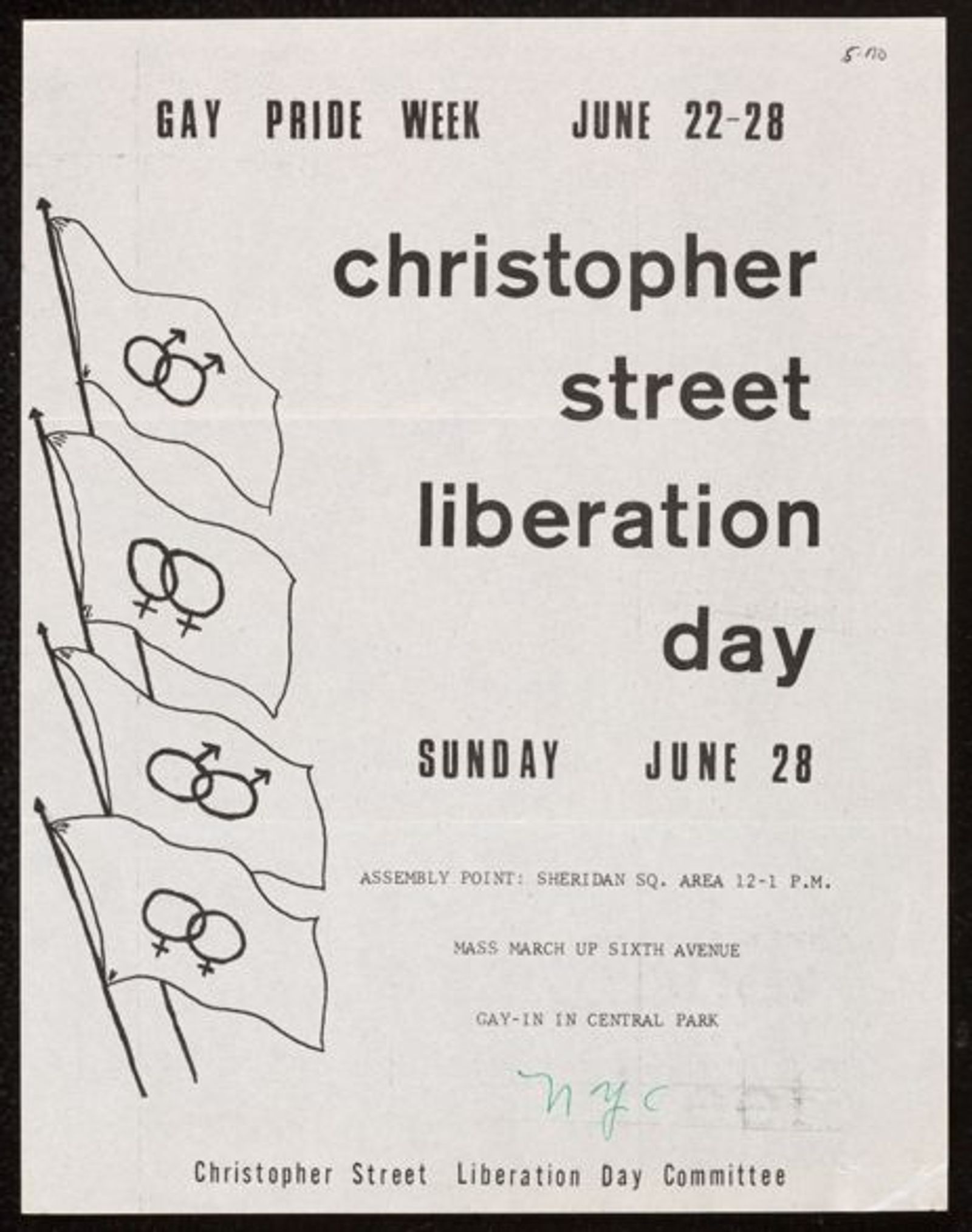
- 1970The first Christopher Street Liberation Day march is held on June 28
- 2016President Obama designates the Stonewall National Monument
Complete History
The building at 51-53 Christopher Street dates to the 1840s-30s and became the Stonewall Inn in 1930; by 1967 it was operating as a mafia-run gay bar, one of the few venues in New York where LGBTQ+ people could dance and socialize together, though it had no liquor license and was subject to frequent police raids. Such raids were common under laws that criminalized homosexuality and cross-dressing.
When police raided the bar in the early morning of June 28, 1969, patrons and neighborhood residents — including prominent figures like Marsha P. Johnson and Sylvia Rivera — resisted arrest instead of dispersing. A crowd gathered, bottles and stones were thrown, and skirmishes with police continued intermittently for six days, drawing thousands of participants and onlookers to Christopher Street.
The uprising catalyzed new activist organizations, including the Gay Liberation Front, formed within weeks. On the first anniversary, June 28, 1970, activists organized Christopher Street Liberation Day marches in New York, Los Angeles, and Chicago — the first Pride marches, which have since spread to cities worldwide. In 2016 President Obama designated the Stonewall National Monument, the first National Park Service unit dedicated to LGBTQ+ history.
Historic Images
Interesting Facts
- The June 28, 1969 police raid on the Stonewall Inn sparked six nights of unrest that launched the modern LGBTQ+ rights movement.
- Activists including Marsha P. Johnson and Sylvia Rivera are remembered as key figures in the resistance.
- The Gay Liberation Front, founded weeks after Stonewall, was among the first modern LGBTQ+ rights organizations.
- The first Pride march, called Christopher Street Liberation Day, took place on the uprising's first anniversary in 1970.
- In 2016 the site became the Stonewall National Monument, the first NPS unit dedicated to LGBTQ+ history.
Visiting Today
- Hours
- The bar keeps regular business hours; Christopher Park and the monument grounds are open daily; a small NPS visitor center is nearby.
- Admission
- Free to visit the monument and park; the bar operates as a normal commercial venue.
- Best time to visit
- Late June around the anniversary and NYC Pride events for the fullest sense of the site's history.
- Nearby
- Greenwich Village's Christopher Street and the Hudson River waterfront are immediately surrounding.
Visit Christopher Park across the street to see the Gay Liberation monument sculptures, and stop by the small NPS visitor center for exhibits on the uprising.
Frequently Asked Questions
What happened at the Stonewall Inn in 1969?
Police raided the bar on June 28, 1969, and patrons resisted arrest, sparking six nights of unrest that became a foundational event of the modern LGBTQ+ rights movement.
Why did Pride marches start because of Stonewall?
On the uprising's first anniversary, June 28, 1970, activists organized Christopher Street Liberation Day marches in several cities, the first Pride marches — a tradition now held worldwide each June.
Is the Stonewall Inn still open as a bar?
Yes. It operates as a bar today while the surrounding area, including Christopher Park, is preserved as the Stonewall National Monument.
When was Stonewall designated a national monument?
President Obama designated the Stonewall National Monument on June 24, 2016, making it the first National Park Service site dedicated to LGBTQ+ history.