Civil War · Tennessee
Shiloh National Military Park
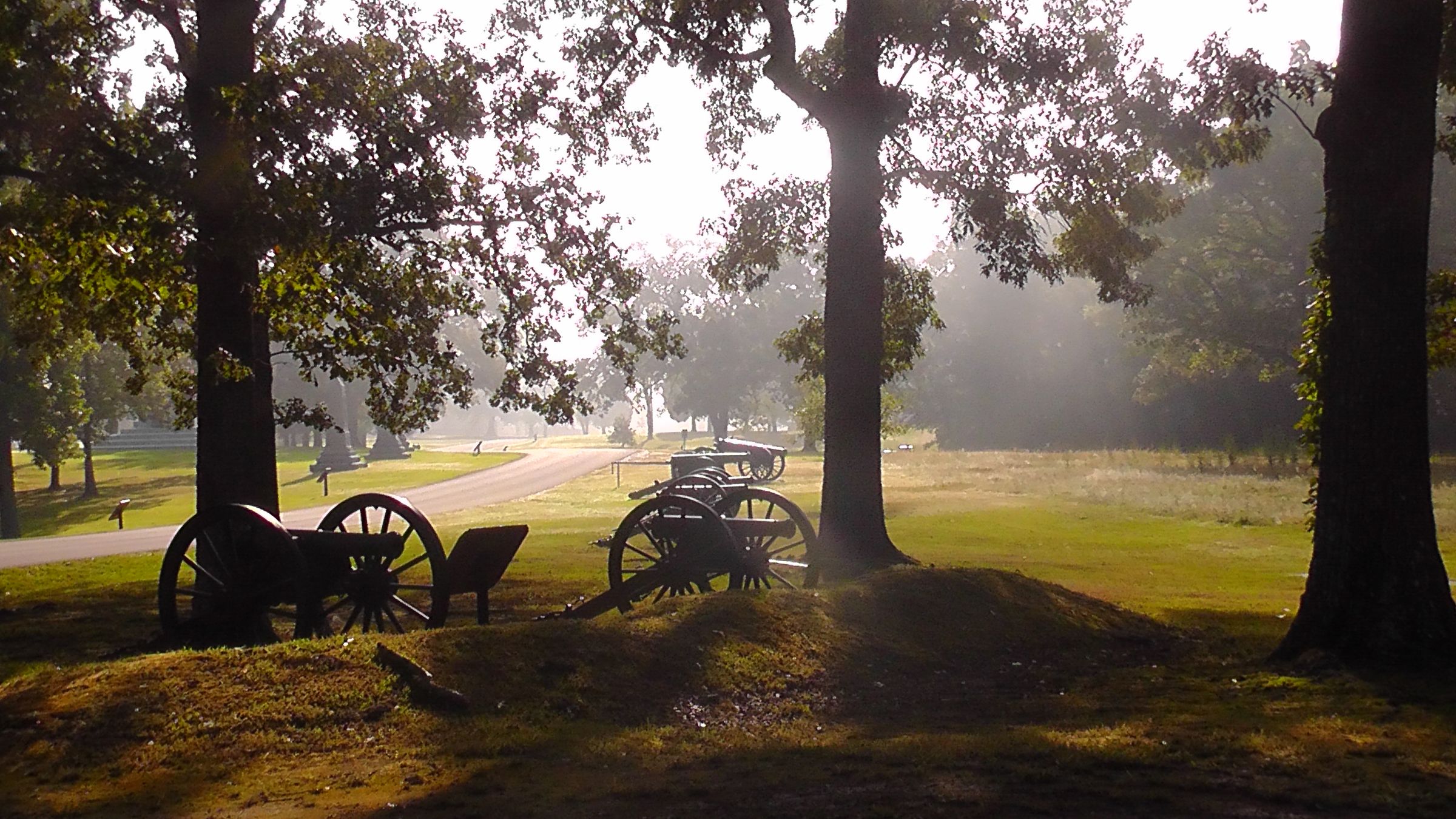
A cannon on the Shiloh battlefield. — ShireSteve
Why Shiloh National Military Park Matters
Shiloh was the battle that ended any illusion that the Civil War would be short or bloodless. Fought over two days in April 1862 along the Tennessee River, it produced more American casualties than every prior American war combined up to that point, stunning both the Union and Confederacy with a preview of the industrial-scale killing still to come. The peach orchard, the sunken road nicknamed the 'Hornet's Nest,' and the quiet Shiloh church that gave the battle its name are now preserved on one of the best-maintained battlefields in the country.
By the Numbers
History
- Battle dates
- April 6–7, 1862
- Union commander
- Maj. Gen. Ulysses S. Grant
- Confederate commander
- Gen. Albert Sidney Johnston (killed)
- Casualties
- ~23,000 combined
- Reinforcements
- Gen. Don Carlos Buell's army, overnight
Military
- Notable position
- The 'Hornet's Nest' sunken road
Designation
- National Military Park
- Established 1894
Timeline
- 1862Confederate forces launch a surprise attack on April 6
- 1862Union troops hold the 'Hornet's Nest' sunken road
- 1862General Albert Sidney Johnston is mortally wounded
- 1862Reinforced Union troops counterattack and win the field on April 7
- 1894Congress establishes Shiloh National Military Park
Complete History
In early April 1862, Union forces under Major General Ulysses S. Grant camped near Pittsburg Landing on the Tennessee River, awaiting reinforcement before advancing on the rail junction at Corinth, Mississippi. On the morning of April 6, Confederate forces under General Albert Sidney Johnston launched a surprise attack, catching many Union troops unprepared and driving them back toward the river through the day's fierce fighting.
Union troops made a desperate stand along a sunken road that Confederate soldiers nicknamed the 'Hornet's Nest' for the intensity of gunfire there, buying time before eventually being overwhelmed. General Johnston was mortally wounded during the fighting, becoming the highest-ranking American military officer killed in action up to that time. Overnight, Union reinforcements under General Don Carlos Buell arrived, and on April 7 Grant's reinforced army counterattacked, driving the exhausted Confederates from the field.
The two days of fighting produced roughly 23,000 combined casualties, a scale of loss that shocked the nation and ended any lingering assumption of a quick war. Grant faced sharp public criticism for being caught unprepared but retained President Lincoln's confidence. Congress established Shiloh National Military Park in 1894, and its battlefield, preserved with unusual completeness, remains one of the best places in the country to walk a Civil War battle largely as it unfolded.
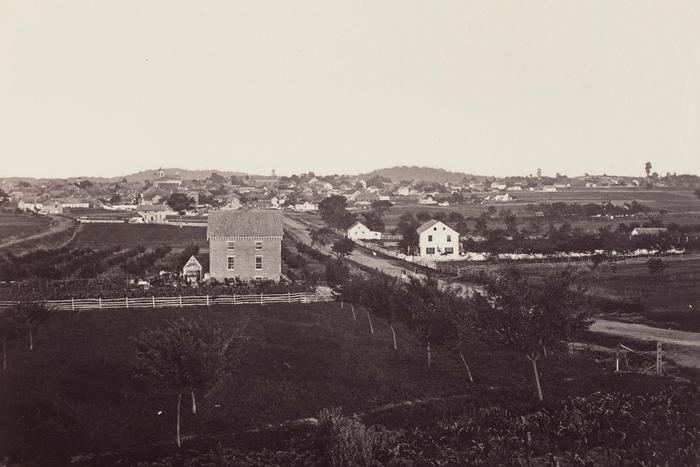
Historic Images
Interesting Facts
- The Battle of Shiloh produced roughly 23,000 combined casualties in just two days, more than all previous American wars combined up to that point.
- Confederate General Albert Sidney Johnston was mortally wounded during the battle, the highest-ranking American officer killed in action to that date.
- Union troops made a legendary stand at a sunken road nicknamed the 'Hornet's Nest' for its intense gunfire.
- Overnight reinforcements under General Buell allowed Grant's army to counterattack and reclaim the field on the battle's second day.
- Grant faced heavy public criticism for being caught by surprise but retained President Lincoln's support.
Visiting Today
- Hours
- The park and tour road are open daily; the visitor center keeps set hours — check the NPS site.
- Admission
- Free.
- Best time to visit
- Spring and fall for mild weather along the driving and walking tour routes.
- Nearby
- The Tennessee River and the town of Savannah, Tennessee, are nearby; Corinth, Mississippi's Civil War sites are a short drive away.
Follow the driving tour in numbered order, stopping to walk the Hornet's Nest and Bloody Pond, and visit the National Cemetery overlooking the river.
Frequently Asked Questions
What made the Battle of Shiloh significant?
Its unprecedented scale of casualties, roughly 23,000 in two days, shocked the nation and ended assumptions that the Civil War would be short, signaling the brutal, protracted conflict still to come.
What was the 'Hornet's Nest'?
It was a sunken road where Union troops made a determined stand under intense Confederate fire, named for the buzzing sound of bullets, buying crucial time before being overwhelmed.
Who won the Battle of Shiloh?
The Union won. After a Confederate surprise attack drove Grant's forces back on the first day, overnight reinforcements allowed a counterattack that reclaimed the battlefield on the second day.
Can you visit Shiloh National Military Park today?
Yes. The park preserves the battlefield in unusually complete condition, with a driving tour past key sites including the Hornet's Nest, Shiloh Church, and the national cemetery.