Civil War · Pennsylvania
Gettysburg Battlefield
Also known as Gettysburg National Military Park
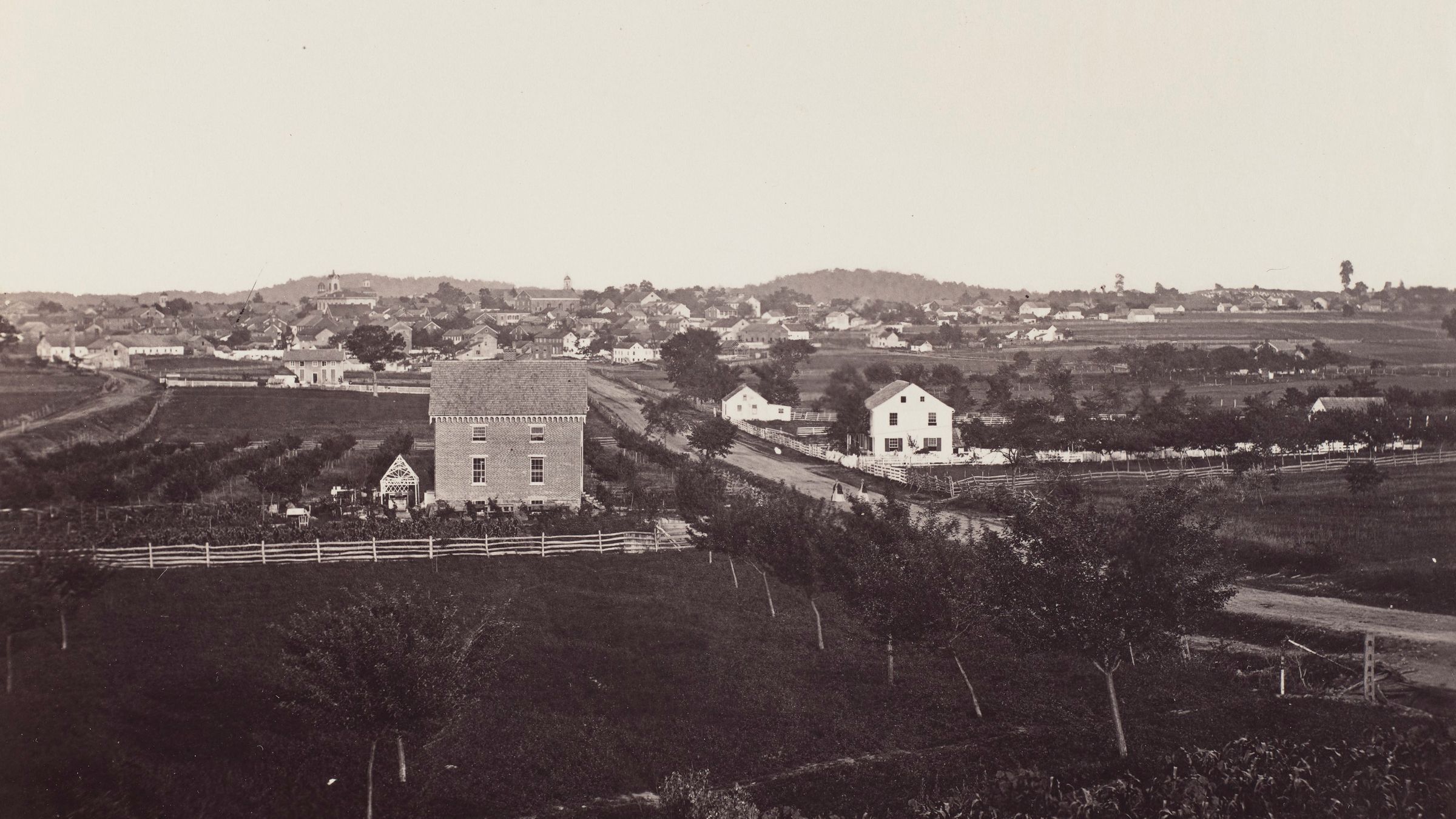
Attributed to Mathew Brady (via Wikimedia Commons)
Why Gettysburg Battlefield Matters
The Battle of Gettysburg, fought July 1–3, 1863, was the largest and bloodiest battle of the American Civil War. Over three days, Union forces under General George Meade turned back General Robert E. Lee's second invasion of the North, in fighting that produced some 51,000 casualties.
Widely regarded as the turning point of the war, Gettysburg was also where President Abraham Lincoln delivered the Gettysburg Address at the dedication of the soldiers' cemetery. The battlefield is preserved today as Gettysburg National Military Park, among the most visited Civil War sites in the country.
By the Numbers
The Battle
- Dates
- July 1–3, 1863
- Union commander
- Maj. Gen. George G. Meade
- Confederate commander
- Gen. Robert E. Lee
- Estimated casualties
- ~51,000
Timeline
- July 1, 1863Union and Confederate forces collide northwest of Gettysburg.
- July 2, 1863Fighting rages at Little Round Top, the Wheatfield, and Cemetery Ridge.
- July 3, 1863Pickett's Charge is repulsed at the Union center.
- July 4, 1863Lee begins his retreat to Virginia.
- Nov 19, 1863Lincoln delivers the Gettysburg Address at the cemetery dedication.
- 1895Gettysburg National Military Park is established.
- 1933The park is transferred to the National Park Service.
Complete History
In June 1863, General Robert E. Lee led the Army of Northern Virginia north into Pennsylvania, hoping a victory on Union soil might force a negotiated peace. Union and Confederate forces collided by chance at the crossroads town of Gettysburg on July 1, 1863.
Over the next two days the armies fought across ground that became famous — Little Round Top, the Wheatfield, Cemetery Ridge. The battle climaxed on July 3 with Pickett's Charge, a massed Confederate assault on the Union center that was repulsed with devastating losses. Lee began his retreat to Virginia on July 4.
The battle left about 51,000 men killed, wounded, captured, or missing. That November, at the dedication of the Soldiers' National Cemetery, Lincoln delivered the Gettysburg Address. The grounds were set aside as a national park in 1895 and transferred to the National Park Service in 1933; today the field holds more than 1,300 monuments and markers.
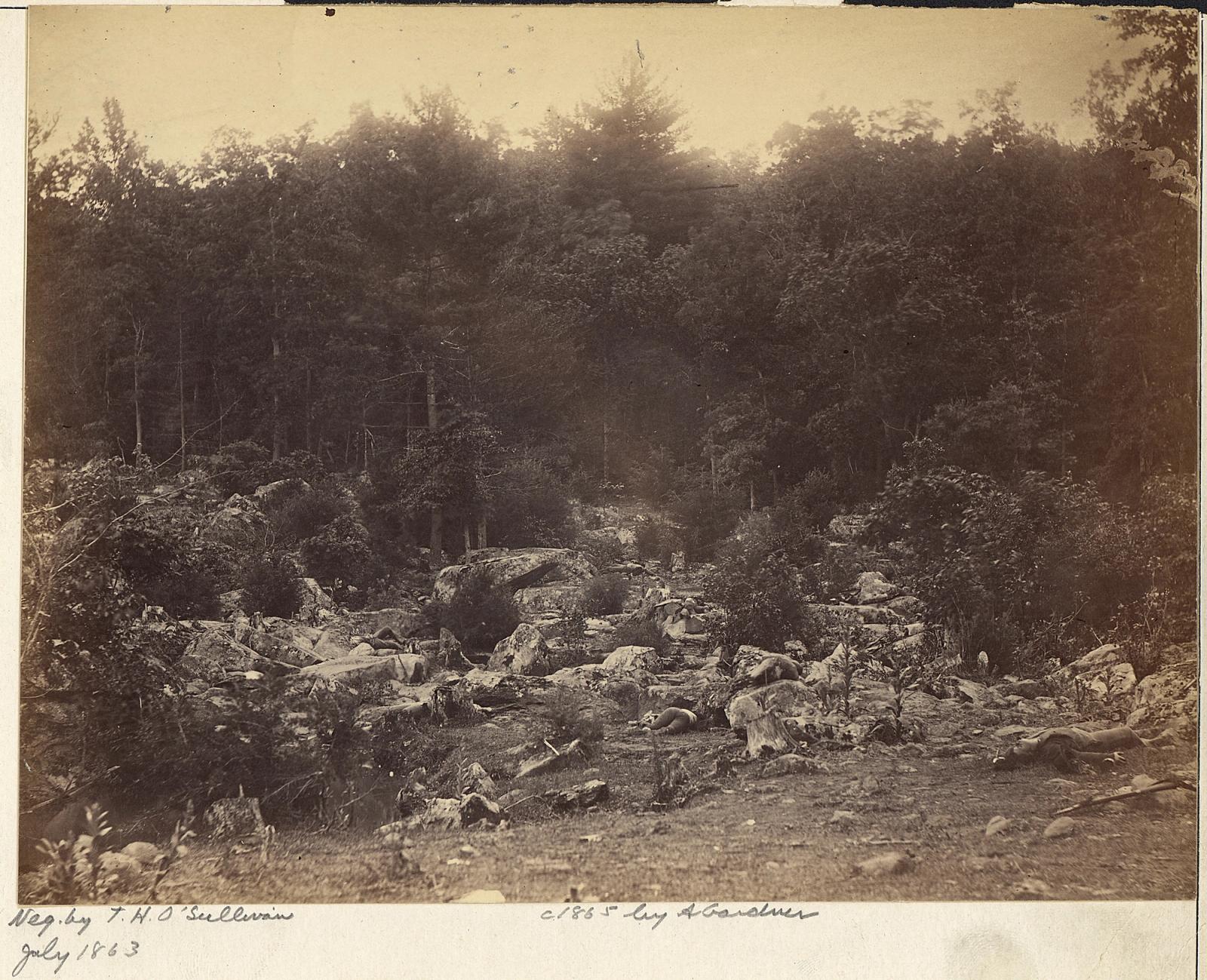
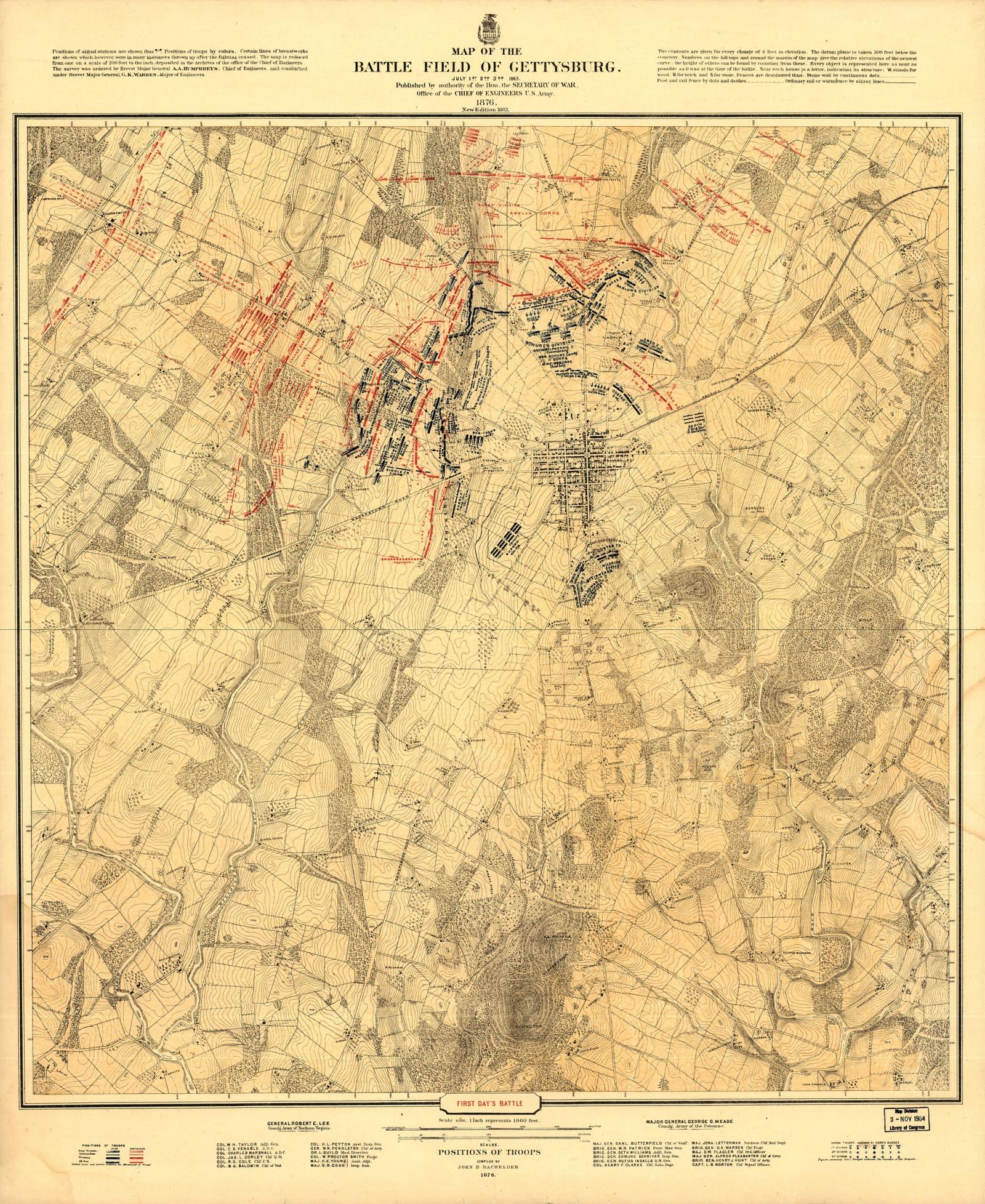
Historic Images
Interesting Facts
- Gettysburg was the largest and bloodiest battle of the Civil War, with about 51,000 casualties over three days.
- The Union victory ended Lee's second invasion of the North and is regarded as a turning point of the war.
- The failed Confederate assault on July 3 is remembered as Pickett's Charge.
- Lincoln delivered the Gettysburg Address at the dedication of the Soldiers' National Cemetery on November 19, 1863.
- The battlefield holds more than 1,300 monuments, markers, and memorials.
Visiting Today
- Hours
- The battlefield grounds are open daily; visitor-center and museum hours vary by season.
- Admission
- The park grounds and cemetery are free. The museum, film, and licensed battlefield guides carry fees.
- Best time to visit
- Spring through fall; early morning for the quiet of the auto tour.
- Nearby
- The Soldiers' National Cemetery, the town of Gettysburg, and the David Wills House where Lincoln finished his address.
Start at the visitor center for the museum and film, then follow the auto tour — or hire a Licensed Battlefield Guide for a private tour of the field.
Frequently Asked Questions
When was the Battle of Gettysburg?
It was fought July 1–3, 1863.
Why was Gettysburg a turning point?
The Union victory turned back Lee's invasion of the North and put the Confederacy on the defensive for the rest of the war.
What was the Gettysburg Address?
A brief, famous speech President Lincoln delivered on November 19, 1863, at the dedication of the Soldiers' National Cemetery.
How many people were killed or wounded?
About 51,000 soldiers on both sides were killed, wounded, captured, or missing.
Can you visit the battlefield?
Yes. Gettysburg National Military Park is free to enter, with a visitor center, the national cemetery, and a self-guided auto tour.