20th Century · New York
Sagamore Hill
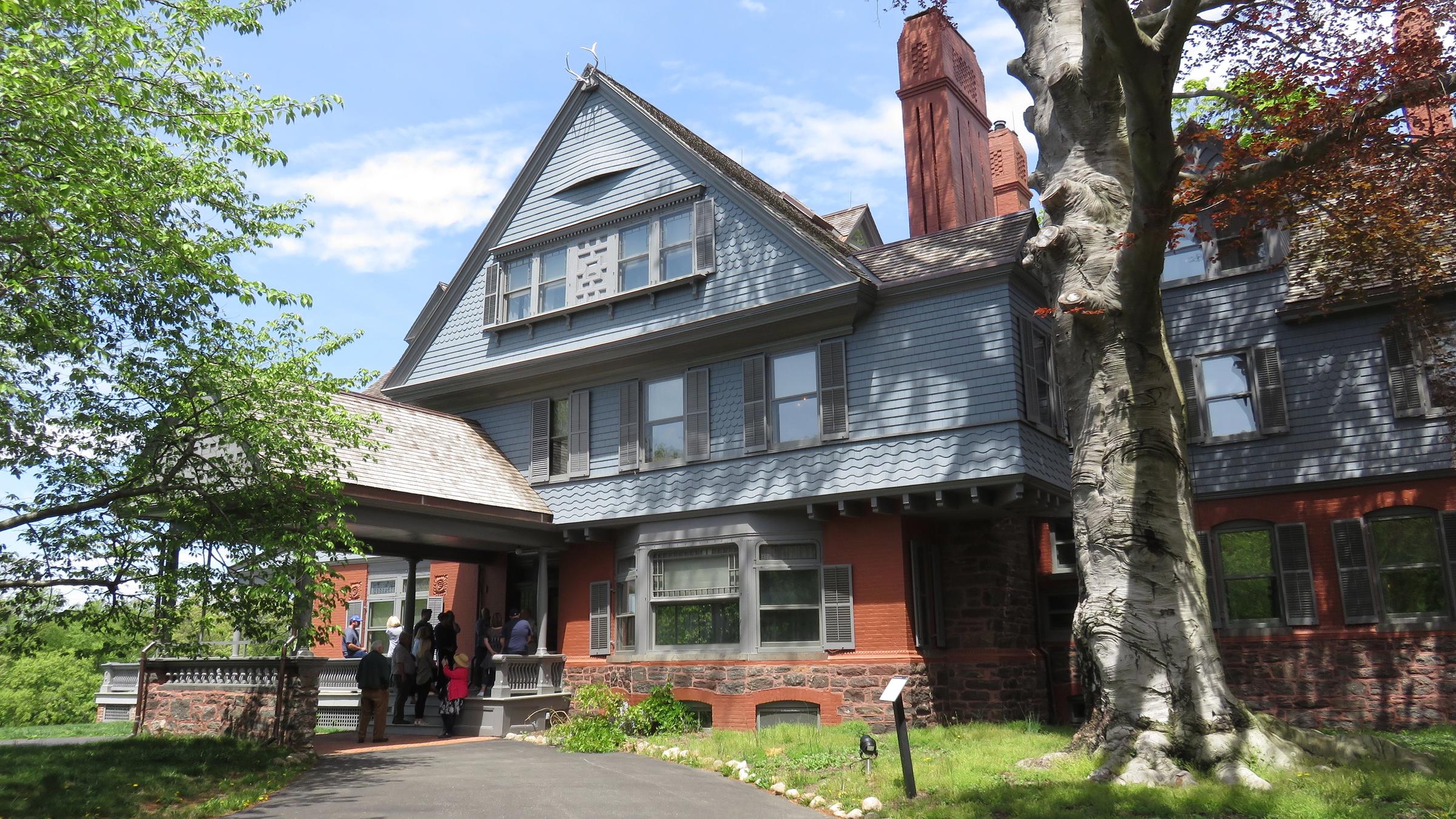
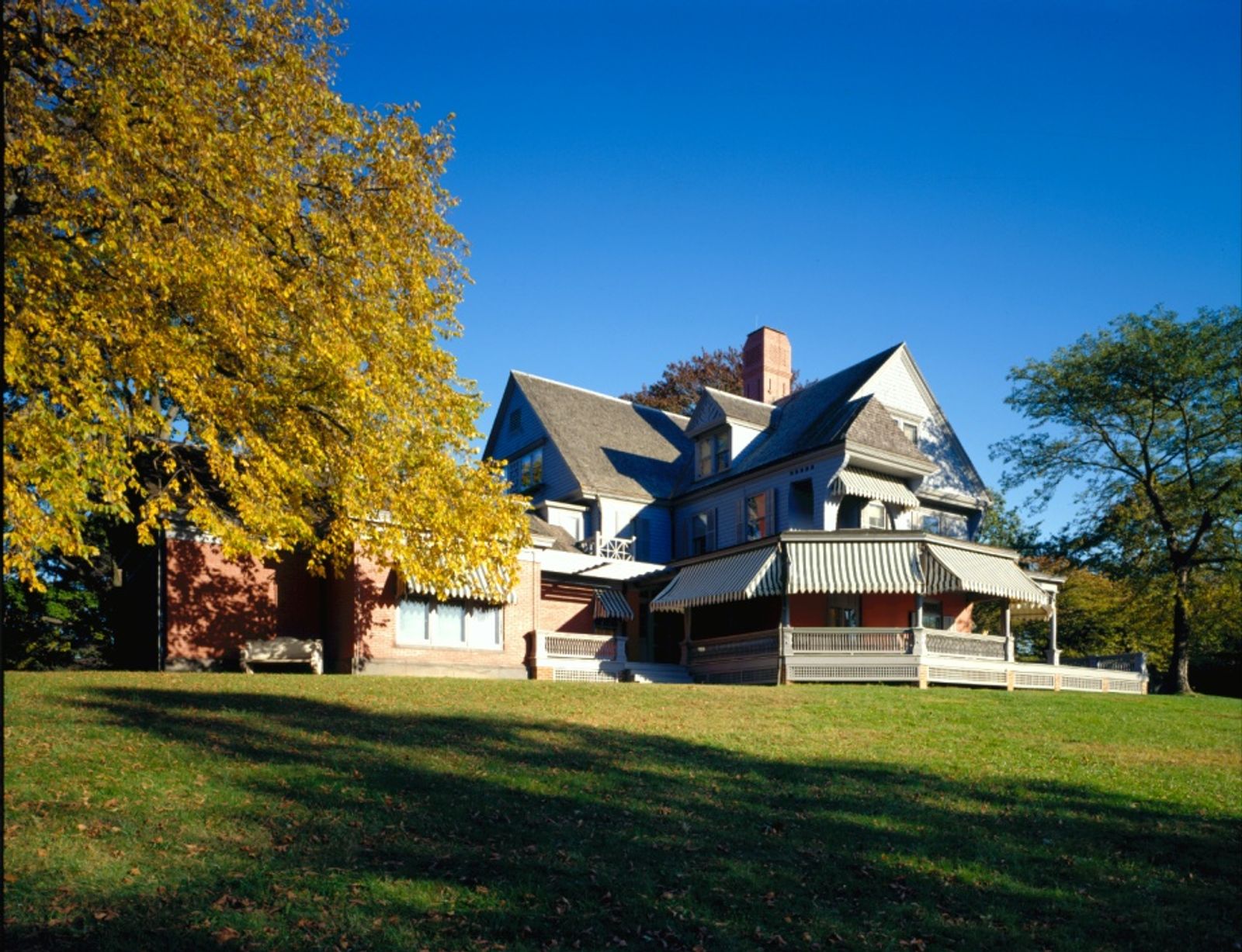
Sagamore Hill, Theodore Roosevelt's Long Island home. — Antony-22
Why Sagamore Hill Matters
Sagamore Hill was the home of Theodore Roosevelt's heart. For more than thirty years it was where the most restless president in American history hiked, wrote, romped with his six children, and received kings, diplomats, and reporters. As the 'Summer White House' from 1902 to 1908 it was a genuine seat of government — Roosevelt mediated the end of a world war from its rooms — and it was here, on a winter night in 1919, that he died. No place captures the energy, family life, and outsized personality of TR more completely.
By the Numbers
History
- President
- Theodore Roosevelt (26th)
- Died here
- January 6, 1919
Estate
- Name origin
- Sagamore Mohannis, a Matinecock leader
Architecture
- Style
- Queen Anne
- Rooms
- 23
- Architects
- Lamb & Rich
Designation
- National Historic Site
- July 25, 1962
Timeline
- 1880Theodore Roosevelt purchases land on Cove Neck above Oyster Bay
- 1884After his wife's death, Roosevelt renames the estate Sagamore Hill
- 1885The 23-room Queen Anne house, designed by Lamb & Rich, is completed
- 1902Sagamore Hill begins serving as the 'Summer White House'
- 1905Roosevelt adds the North Room and mediates the Treaty of Portsmouth
- 1919Theodore Roosevelt dies at Sagamore Hill on January 6
- 1962Sagamore Hill National Historic Site is established on July 25
Complete History
Theodore Roosevelt bought land on Cove Neck above Oyster Bay in 1880 and planned a home he intended to call 'Leeholm' for his bride, Alice Hathaway Lee. When Alice and his mother both died on the same day in February 1884, a grief-stricken Roosevelt renamed the estate Sagamore Hill after Sagamore Mohannis, a Matinecock leader who had once signed away rights to the land. The 23-room Queen Anne house, designed by the firm Lamb & Rich, was completed in 1885.
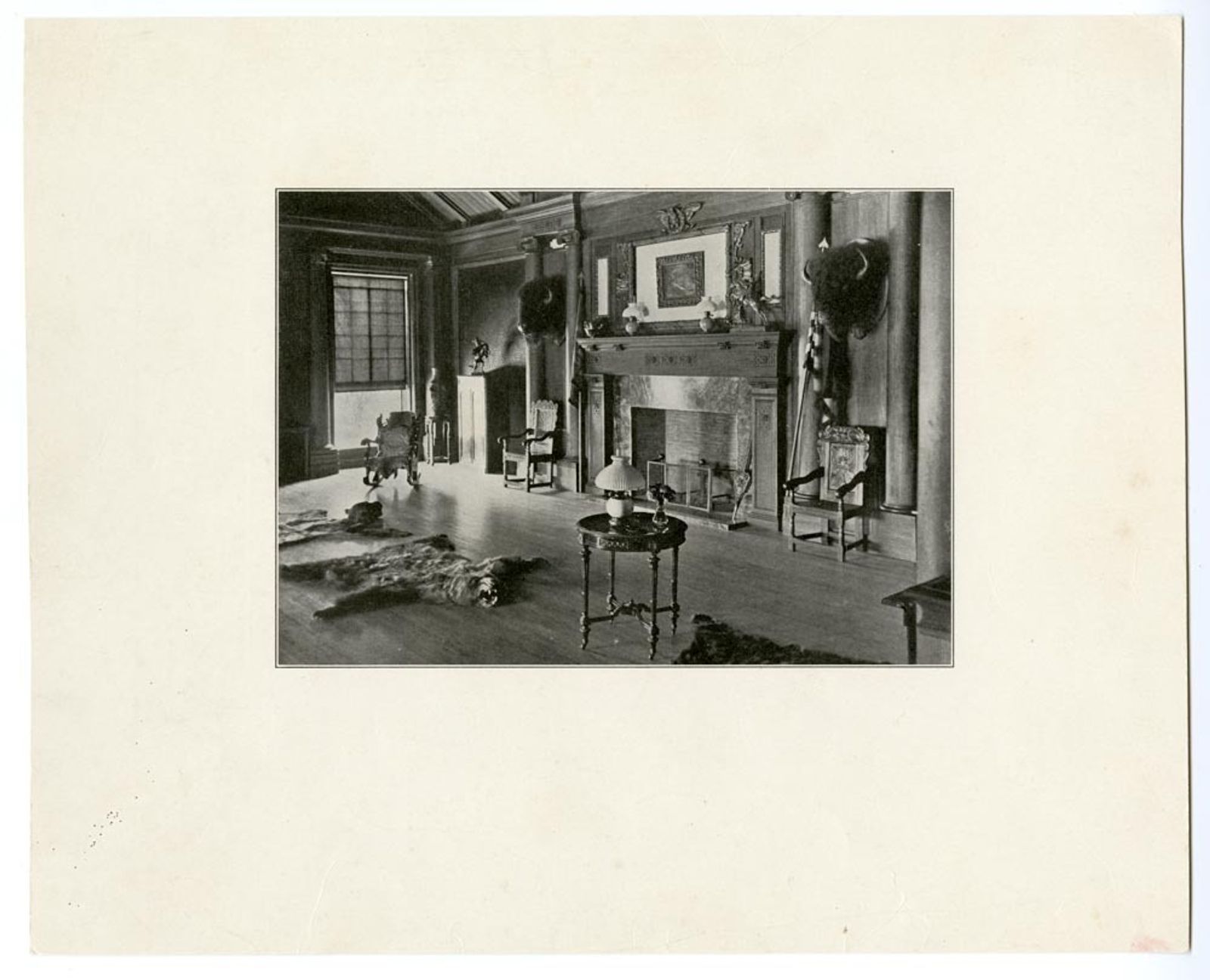
Sagamore Hill became the boisterous center of Roosevelt family life, and after 1901 the summer capital of the United States. In 1905 Roosevelt added the great North Room, a trophy hall hung with the heads of animals he had hunted and gifts from heads of state. That same year, working from Sagamore Hill and nearby Oyster Bay, he mediated the Treaty of Portsmouth ending the Russo-Japanese War — an achievement that made him the first American to win the Nobel Peace Prize.
Roosevelt returned to Sagamore Hill after leaving office and lived there through the loss of his youngest son, Quentin, in the First World War. He died in his sleep at the house on January 6, 1919. Edith Roosevelt remained until her death in 1948. In 1962 Congress established Sagamore Hill National Historic Site, and the National Park Service preserves the house much as the Roosevelts left it, down to the books on the shelves.
Historic Images
Interesting Facts
- Roosevelt originally planned to name the house 'Leeholm' for his first wife, Alice Hathaway Lee.
- From Sagamore Hill in 1905, TR mediated the Treaty of Portsmouth ending the Russo-Japanese War, winning the Nobel Peace Prize.
- The North Room, added in 1905, displays hunting trophies and diplomatic gifts from around the world.
- Roosevelt died in his sleep at Sagamore Hill on January 6, 1919.
- The estate served as the 'Summer White House' for seven summers of his presidency.
Visiting Today
- Hours
- The house is seen by guided tour on a first-come, first-served or timed-ticket basis; grounds open daily. Check the NPS site for seasonal hours.
- Admission
- Fee for the guided house tour; the grounds, trails, and Old Orchard museum are free.
- Best time to visit
- Spring through fall for the gardens, trails, and Long Island Sound views.
- Nearby
- The Theodore Roosevelt Sanctuary and Audubon Center and the village of Oyster Bay are close by.
House tours are limited in size and sell out — reserve or arrive early. Don't miss the North Room and the walk down to Eel Creek.
Frequently Asked Questions
Why is it called Sagamore Hill?
Roosevelt named it after Sagamore Mohannis, a Matinecock leader who had held rights to the land, after abandoning his earlier plan to call it 'Leeholm' for his first wife.
Did Theodore Roosevelt die at Sagamore Hill?
Yes. He died in his sleep at the house on January 6, 1919, at the age of 60.
Was Sagamore Hill really the 'Summer White House'?
Yes. From 1902 to 1908 Roosevelt conducted national business from the estate each summer, including the diplomacy that ended the Russo-Japanese War in 1905.
Can you tour the house today?
Yes. The National Park Service offers guided tours of the house, which is furnished with the Roosevelts' original belongings, along with a museum and nature trails on the grounds.