20th Century · New York
Home of Franklin D. Roosevelt
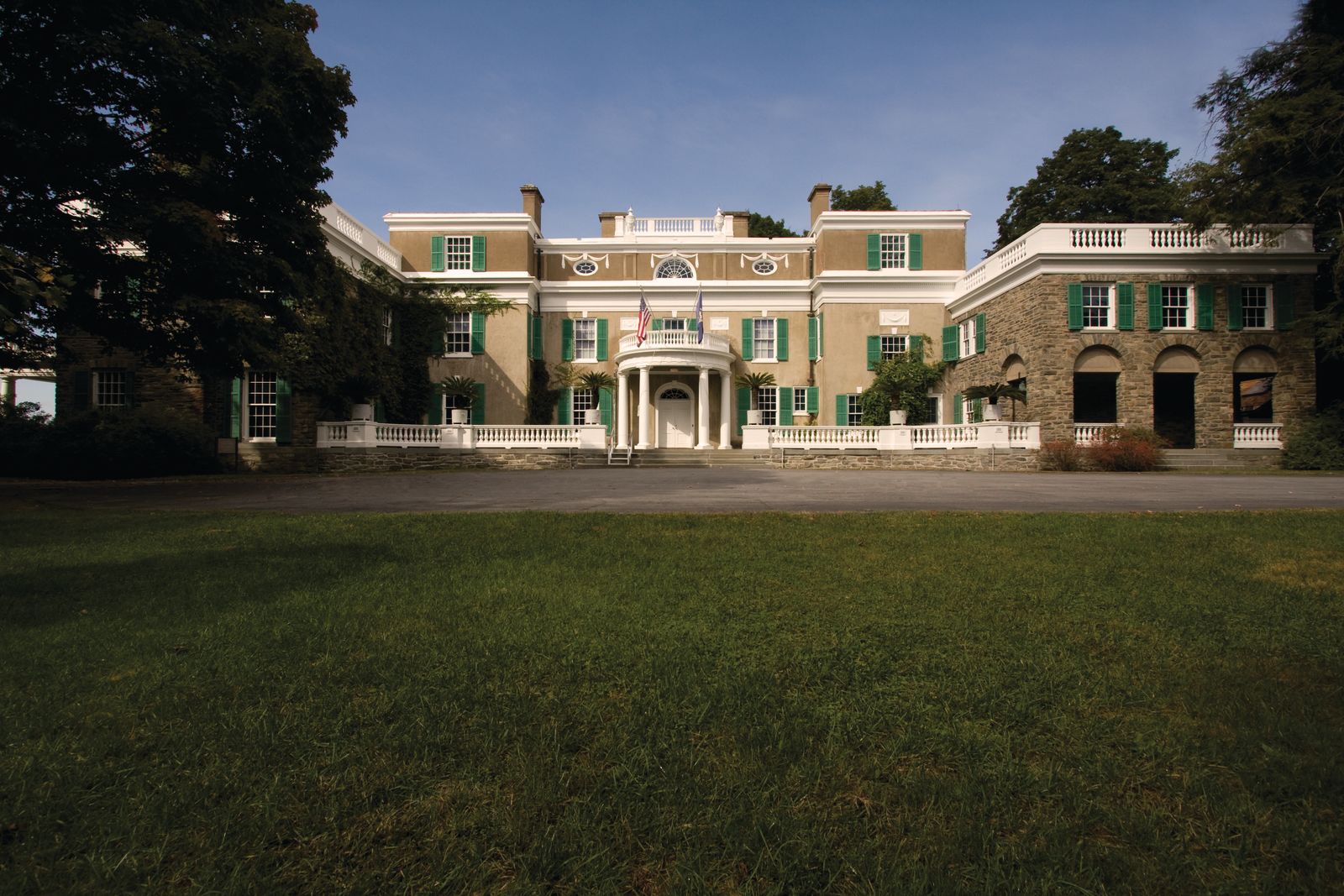
Springwood, FDR's lifelong home at Hyde Park, New York. — Elisa Rolle
Why Home of Franklin D. Roosevelt Matters
Springwood is the only place in America where a president was born, kept a lifelong home, and was laid to rest. Franklin Delano Roosevelt drew his sense of place from this Hudson River estate, returned to it throughout the twelve years he led the nation through the Great Depression and the Second World War, and built on its grounds the first presidential library — the model for every one that followed. To walk the house is to stand at the emotional and intellectual anchor of the man who redefined the American presidency.
By the Numbers
History
- President
- Franklin D. Roosevelt (32nd)
- Born here
- January 30, 1882
- Buried here
- April 15, 1945
Estate
- Estate name
- Springwood
- Acquired by family
- 1867
Legacy
- Presidential library
- First in the nation (1941)
Designation
- National Historic Site
- January 15, 1944
Timeline
- 1867James Roosevelt purchases the Springwood estate at Hyde Park
- 1882Franklin Delano Roosevelt is born at Springwood on January 30
- 1915The house is remodeled into a Colonial Revival mansion with fieldstone wings
- 1939FDR hosts King George VI and Queen Elizabeth at Hyde Park
- 1941FDR dedicates the nation's first presidential library on the grounds
- 1944Springwood is designated a National Historic Site on January 15
- 1945FDR is buried in the Rose Garden on April 15
Complete History
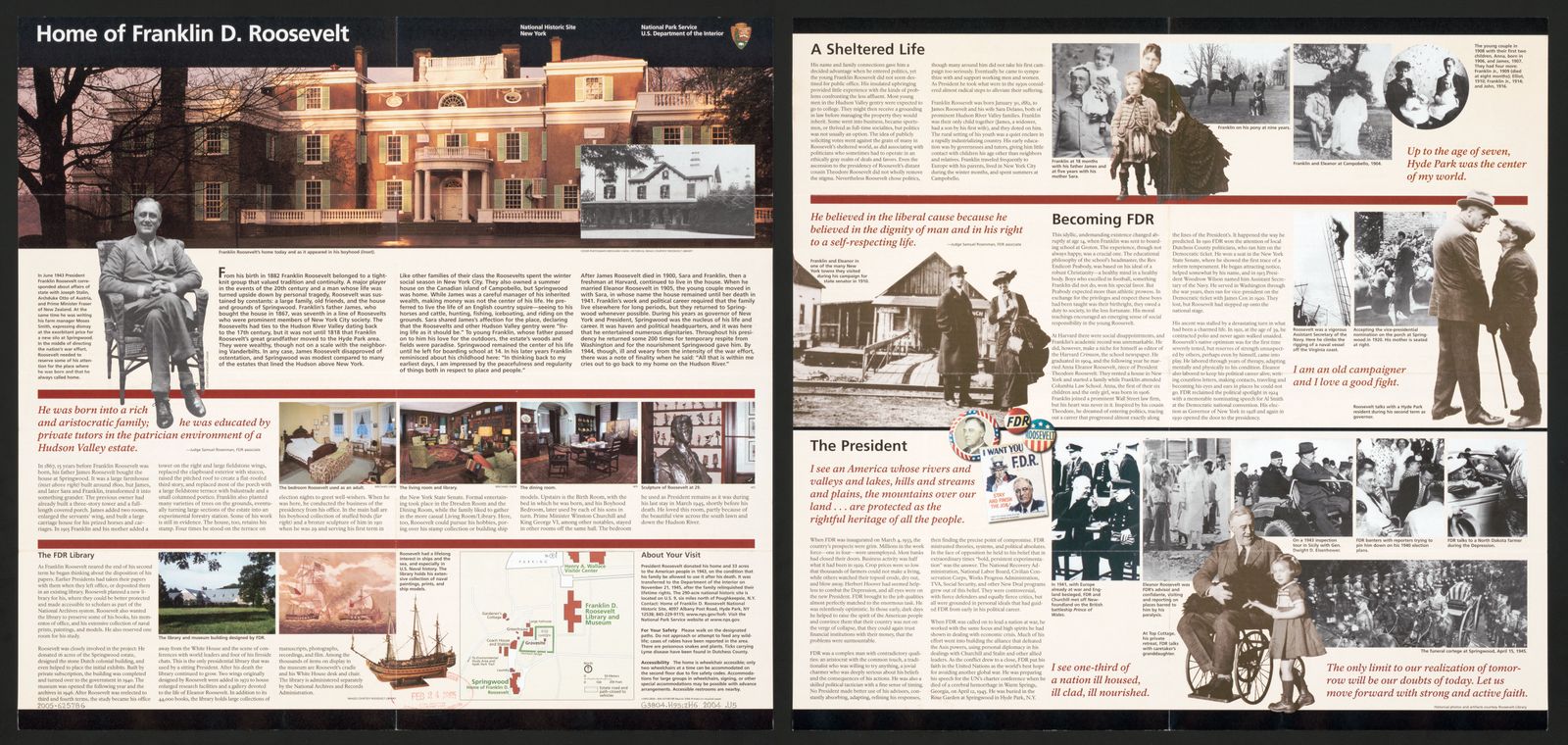
The core of the house began as a farmhouse around 1800. In 1867 FDR's father, James Roosevelt, purchased the estate he named Springwood, and it was here on January 30, 1882, that Franklin Delano Roosevelt was born. He grew up an only child on these grounds, riding, sledding, and collecting birds along the Hudson, and he considered Springwood home for the whole of his life.
In 1915 and 1916, FDR and his mother Sara remodeled the frame house into the dignified Colonial Revival mansion seen today, adding fieldstone wings and a columned portico to designs by architect Francis L. V. Hoppin. During his presidency the estate became a working retreat and 'Summer White House.' In 1939 it hosted King George VI and Queen Elizabeth — the first visit of a reigning British monarch to the United States — a gesture of Anglo-American solidarity on the eve of war.
In 1941 Roosevelt dedicated the Franklin D. Roosevelt Presidential Library on the grounds, pioneering the idea that a president's papers belong to the people. He had already deeded much of the estate to the nation. FDR died at Warm Springs, Georgia, on April 12, 1945, and was buried in Springwood's Rose Garden on April 15; Eleanor Roosevelt was laid beside him in 1962. The estate is now preserved by the National Park Service as the Home of Franklin D. Roosevelt National Historic Site.
Historic Images
Interesting Facts
- Springwood is the only place in the U.S. where a president was born, kept a lifelong home, and is buried.
- FDR helped design the 1915 Colonial Revival remodel and loved to lead guests on tours of the house.
- The Franklin D. Roosevelt Presidential Library, dedicated in 1941, was the first presidential library and the template for the modern system.
- FDR was elected to an unprecedented four terms as president.
- In 1939 the estate hosted the first visit of a reigning British monarch to the United States.
Visiting Today
- Hours
- Grounds open daily; the mansion is seen by guided tour. Hours vary seasonally — check the NPS site.
- Admission
- Fee for the guided mansion tour; grounds and trails are free. The FDR Presidential Library and Museum charges separate admission.
- Best time to visit
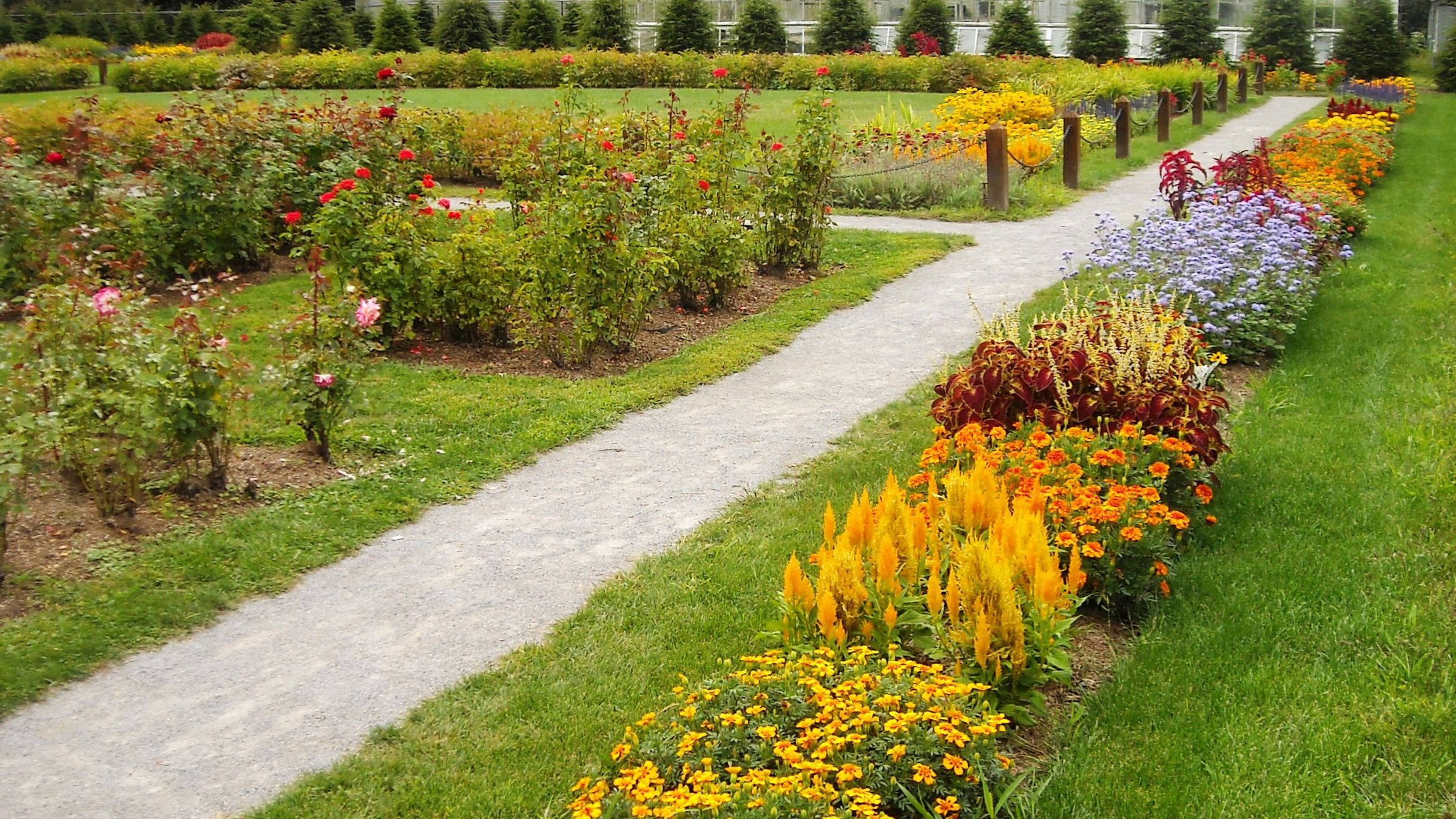
- Late spring through fall, when the gardens and Hudson views are at their best.
- Nearby
- Eleanor Roosevelt National Historic Site (Val-Kill) and the Vanderbilt Mansion are both minutes away in Hyde Park.
Combine the mansion tour with the FDR Presidential Library and Museum next door for the full story, and leave time to walk to the Rose Garden gravesite.
Frequently Asked Questions
Was FDR born at Springwood?
Yes. Franklin Delano Roosevelt was born in the house on January 30, 1882, and considered it home for his entire life.
Is FDR buried at Hyde Park?
Yes. He was buried in the estate's Rose Garden on April 15, 1945, and Eleanor Roosevelt was laid beside him after her death in 1962.
What is significant about the presidential library here?
The Franklin D. Roosevelt Presidential Library, dedicated in 1941, was the first of its kind and established the principle that a president's papers belong to the American people.
Can you visit the home today?
Yes. The National Park Service operates the Home of Franklin D. Roosevelt National Historic Site, with guided house tours and access to the library, museum, and grounds.