Revolutionary · New Jersey
Princeton Battlefield
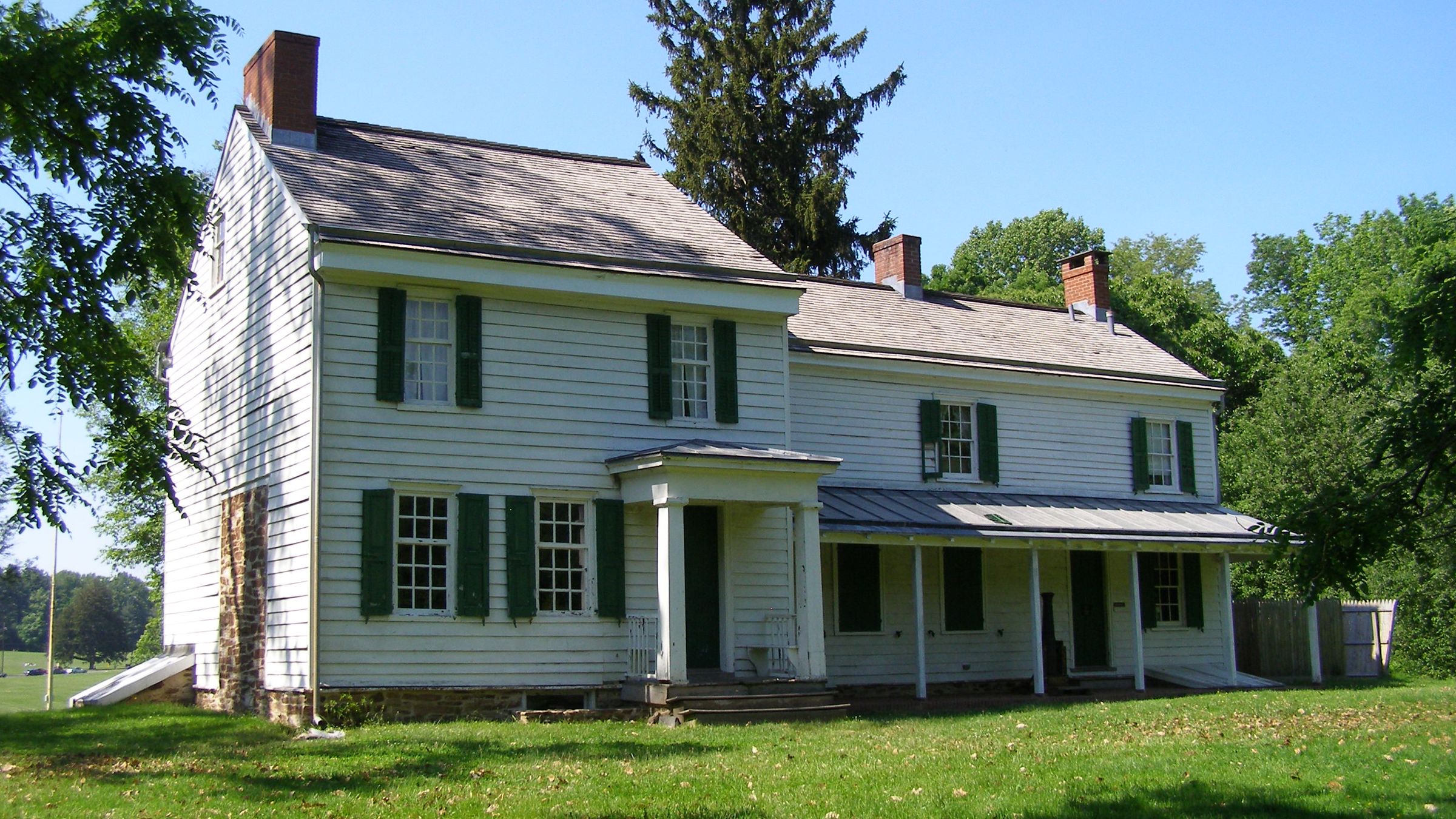
The Thomas Clarke House. — Chicagoshim
Why Princeton Battlefield Matters
The battle where Washington personally rode into British musket fire to rally his wavering troops, capping the 'Ten Crucial Days' campaign that turned the Revolution's momentum after a string of American defeats.
By the Numbers
History
- Battle date
- January 3, 1777
- Campaign
- Part of Washington's 'Ten Crucial Days,' following the Delaware crossing and the Battle of Trenton
- British commander
- Lieutenant Colonel Charles Mawhood
- Washington's rally
- He personally rode into close range of British fire to rally wavering American troops
- Hugh Mercer
- Mortally wounded after refusing to surrender, died at the Thomas Clarke House
Site
- Field hospital
- The Thomas Clarke House, still standing, now a museum
Designation
- National Historic Landmark
- Designated 1946
Timeline
- 1776Washington crosses the Delaware and wins the Battle of Trenton
- 1777The Battle of Princeton is fought on January 3
- 1777General Hugh Mercer dies of his wounds at the Thomas Clarke House
- 1946The battlefield is designated a National Historic Landmark
Complete History
Fresh off his famous Christmas night crossing of the Delaware River and victory at Trenton, George Washington marched his army toward Princeton in early January 1777, hoping to press his advantage before British reinforcements could respond. On January 3, his forces met British troops under Lieutenant Colonel Charles Mawhood on the outskirts of town, and early fighting went badly for the Americans, whose front line began to break under British fire.
As his troops wavered, Washington personally rode his horse forward into close range of the British line to rally them, an act of physical exposure to danger that became one of the most celebrated moments of his military career. American forces regrouped and drove the British from the field, but General Hugh Mercer was mortally wounded in the fighting after refusing to surrender, bayoneted repeatedly by British soldiers who mistook him for Washington himself; he died several days later at the nearby Thomas Clarke House, which had been pressed into service as a field hospital.
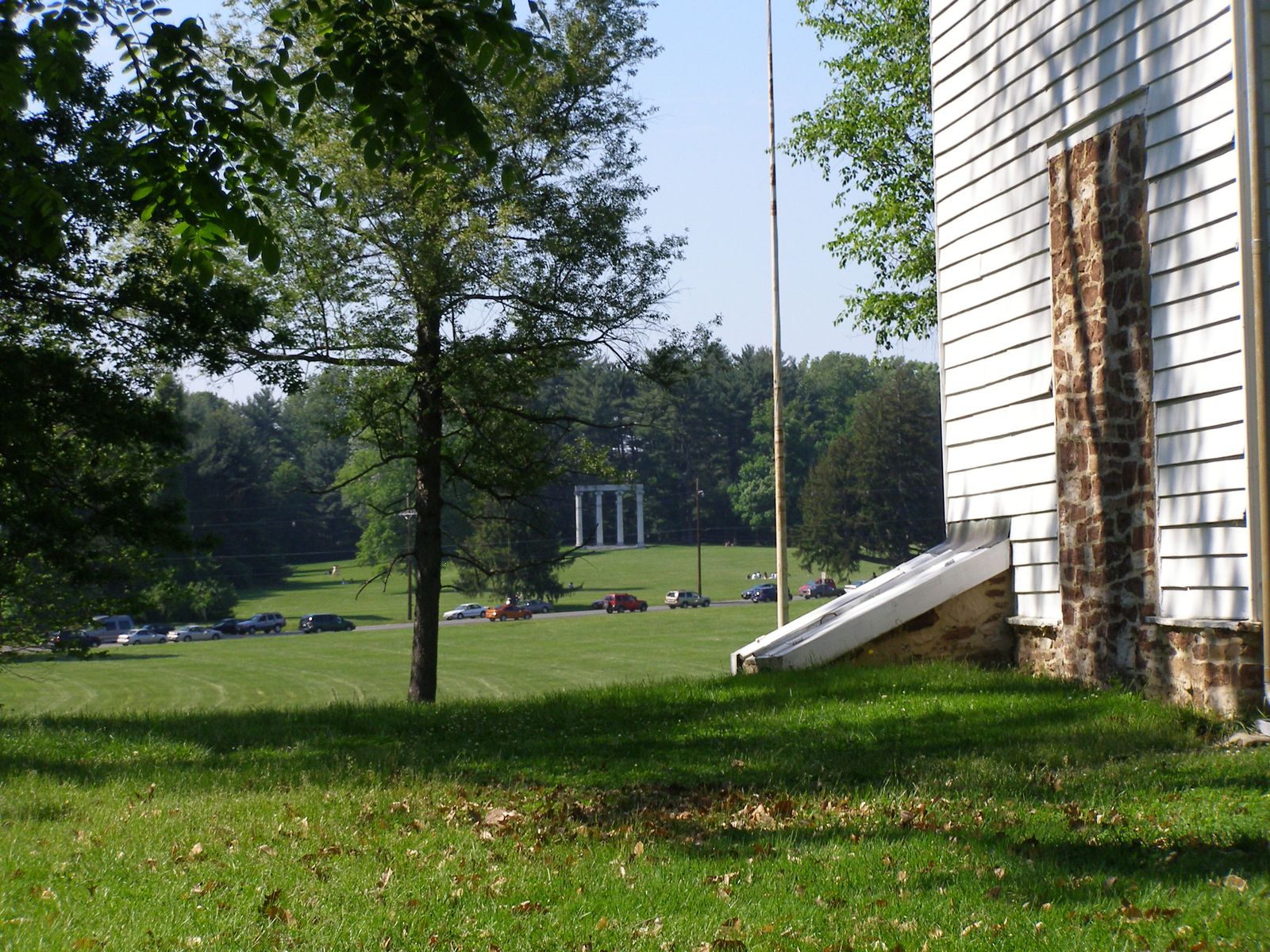
The victory at Princeton, following so closely on Trenton, restored flagging American morale after a string of defeats in late 1776 and effectively ended British efforts to conquer New Jersey that winter. The Thomas Clarke House still stands on the battlefield as a museum, and the grounds also display the Ionic Colonnade, architectural remnants relocated from an earlier building associated with the College of New Jersey, now Princeton University.
Historic Images
Interesting Facts
- George Washington personally rode his horse into close range of British musket fire to rally wavering American troops during the battle.
- General Hugh Mercer was bayoneted after refusing to surrender and died days later at the nearby Thomas Clarke House.
- The victory came just days after Washington's famous crossing of the Delaware River and the Battle of Trenton.
- It effectively ended British efforts to conquer New Jersey during the winter of 1776-1777.
- The Thomas Clarke House, used as a field hospital during the battle, still stands on the battlefield today.
Visiting Today
- Hours
- Grounds open daily, dawn to dusk; Clarke House hours vary seasonally
- Admission
- Free
- Best time to visit
- Weekday afternoons for a quiet walk of the open battlefield
- Nearby
- Princeton University, Morven Museum and Garden, Trenton Battle Monument
Combine with a visit to nearby Princeton University and Nassau Hall, which also saw fighting during the battle
Frequently Asked Questions
What was the 'Ten Crucial Days'?
The roughly ten-day span from Washington's Christmas night 1776 crossing of the Delaware through the victories at Trenton and Princeton, widely seen as a turning point that saved the struggling Continental Army's morale and momentum.
Did George Washington really ride into gunfire?
Yes. When his troops began to waver under British fire, Washington rode his horse forward into close range of the fighting to rally them personally, an act of exposure to danger that became one of the most celebrated moments of his military career.
Who was Hugh Mercer?
A Continental Army general who was mortally wounded at Princeton after refusing to surrender to British soldiers; he died several days later at the nearby Thomas Clarke House, which still stands on the battlefield.
What can visitors see at the battlefield today?
The open battlefield grounds, the Thomas Clarke House museum where Mercer died, and the Ionic Colonnade, architectural remnants relocated to the site from an early Princeton University building.