Revolutionary · Massachusetts
Freedom Trail
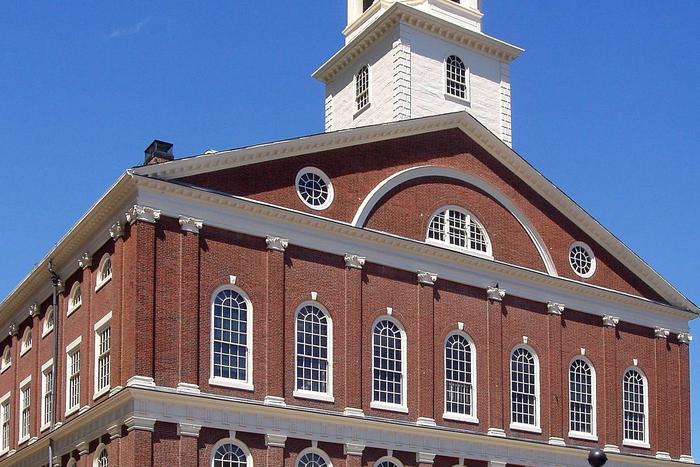
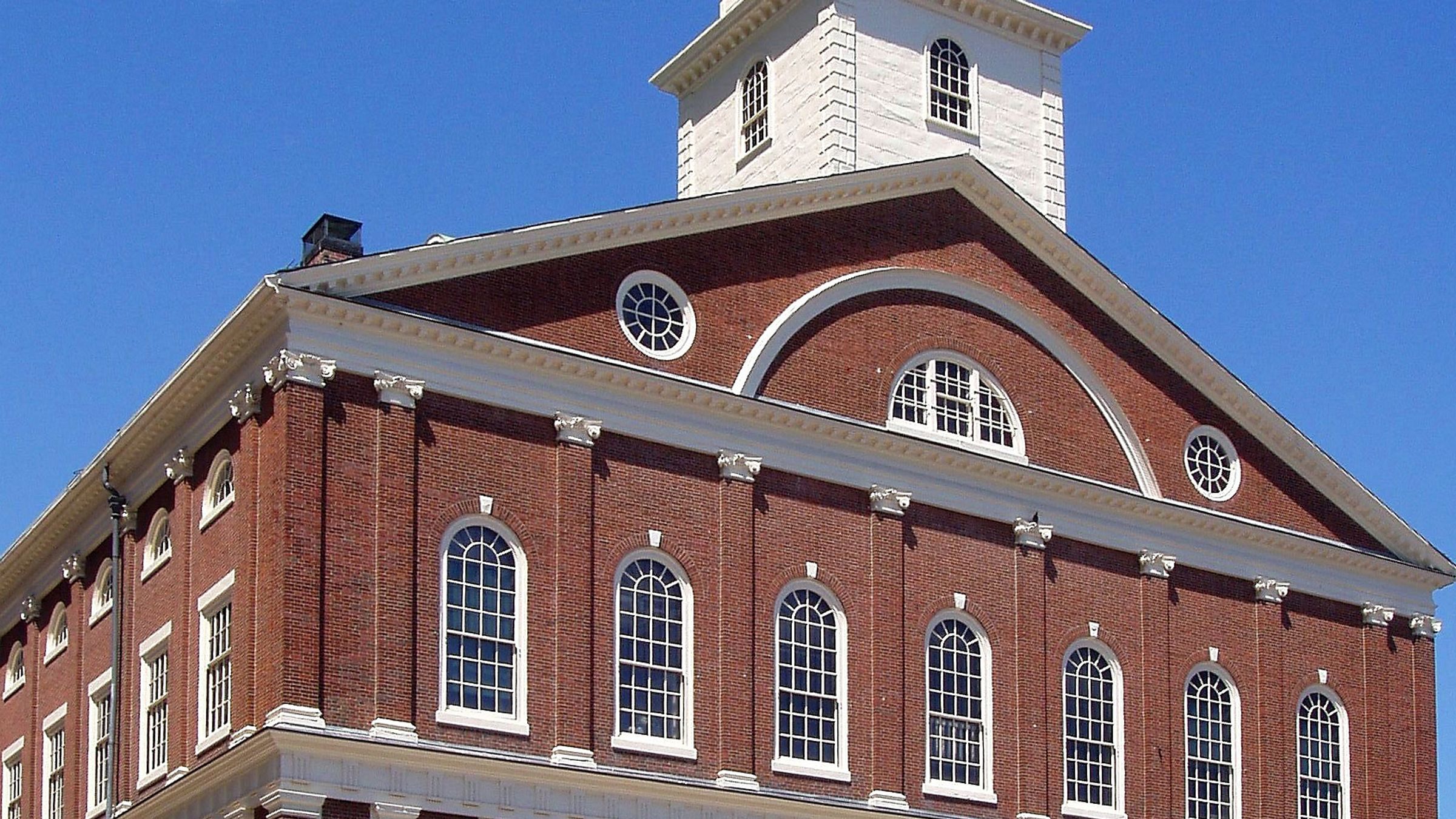
Faneuil Hall, a stop on the Freedom Trail. — Daderot
Why Freedom Trail Matters
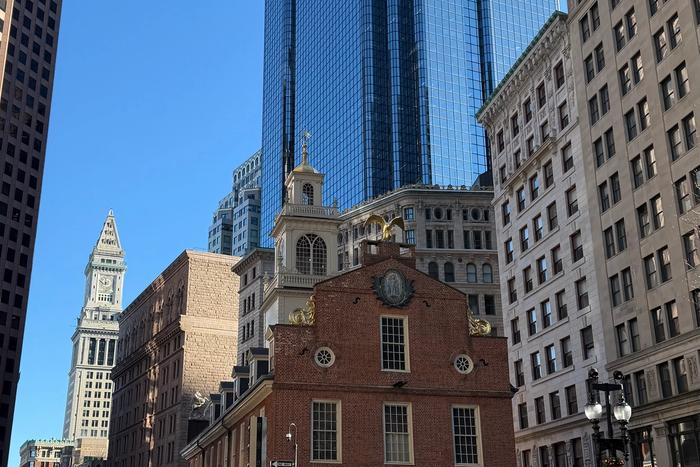
The Freedom Trail solved a simple problem with a brilliant idea: paint a line on the sidewalk connecting Boston's scattered Revolutionary sites, and let visitors walk the story of American independence in order. Stretching 2.5 miles from Boston Common to Bunker Hill, the trail links 16 historic sites including the Old State House, Faneuil Hall, Paul Revere's House, and the Old North Church, turning a dense modern city into a walkable timeline of the road to revolution.
By the Numbers
Route
- Length
- 2.5 miles
- Sites connected
- 16 historic sites
- Marking
- Painted/brick line on sidewalks
History
- Concept proposed
- 1951 by William Schofield
Sites
- Endpoints
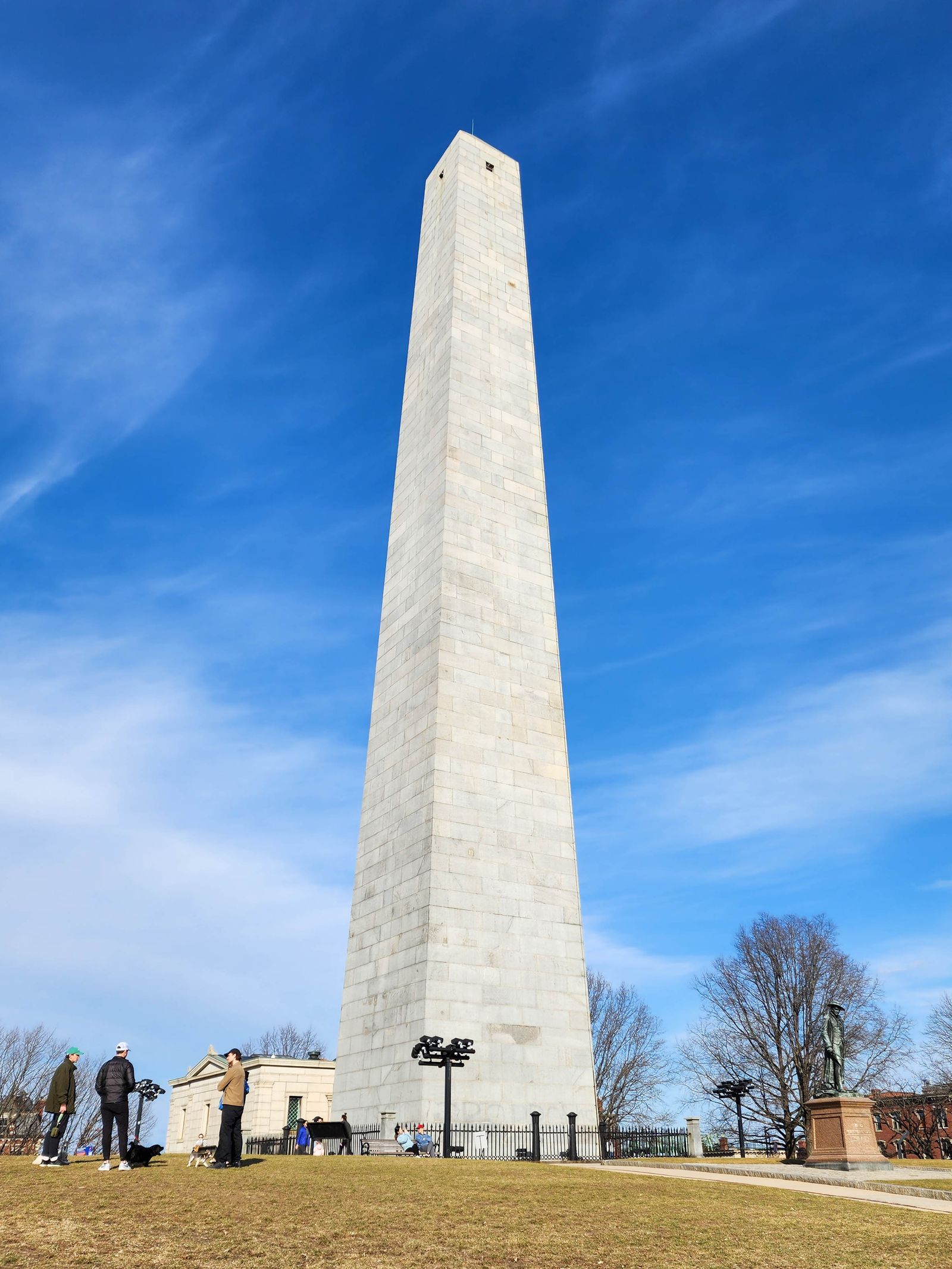
- Boston Common to Bunker Hill Monument
- Notable stops
- Old State House, Faneuil Hall, Old North Church
Management
- Overlap
- Boston National Historical Park (NPS)
Timeline
- 1951William Schofield proposes the Freedom Trail concept
- 1958The city formally establishes and marks the trail
- 1974Boston National Historical Park is established, covering several trail sites
Complete History
Boston journalist William Schofield proposed the idea of a marked walking trail connecting the city's historic sites in 1951, arguing that Boston's Revolutionary landmarks, scattered across a dense and confusing street grid, needed a simple way for visitors to find and connect them. The city adopted the idea, and a painted and later brick-inlaid line was laid connecting sixteen sites across downtown Boston, the North End, and Charlestown.
The trail links sites spanning more than a century of history, from the Boston Common (established 1634) through the Old State House and Faneuil Hall, to Paul Revere's House and the Old North Church in the North End, across the Charlestown Bridge to the Bunker Hill Monument and the USS Constitution. Walking the full trail traces the buildup to revolution, the fighting itself, and the young republic's earliest institutions in a single continuous route.
The Freedom Trail Foundation, established later to support the trail's maintenance and interpretation, works alongside the National Park Service's Boston National Historical Park, which manages several of the sites along the route. The trail has become one of the most successful heritage tourism projects in the United States, a model widely studied and imitated by other historic cities seeking to connect their own scattered landmarks.
Historic Images
Interesting Facts
- The Freedom Trail's 2.5-mile route links 16 historic sites, marked by a painted or brick line on Boston's sidewalks.
- Journalist William Schofield proposed the trail concept in 1951 to help visitors navigate Boston's scattered Revolutionary landmarks.
- The trail runs from Boston Common through downtown and the North End to the Bunker Hill Monument in Charlestown.
- Stops include the Old State House, Faneuil Hall, Paul Revere's House, and the Old North Church.
- Several sites along the trail are jointly managed by the National Park Service as part of Boston National Historical Park.
Visiting Today
- Hours
- The trail is accessible at all times as a public walking route; individual site hours vary.
- Admission
- Free to walk; some sites along the trail charge separate admission.
- Best time to visit
- Spring through fall for the most comfortable walking weather and full site hours.
- Nearby
- The trail passes through the heart of downtown Boston, the North End, and Charlestown, linking many of the city's top attractions.
Follow the painted line at your own pace over a full day, or join a guided tour for deeper context; wear comfortable shoes for the full 2.5-mile route.
Frequently Asked Questions
How long is the Freedom Trail?
The trail runs 2.5 miles through downtown Boston, the North End, and Charlestown, connecting 16 historic sites along a marked path.
Who created the Freedom Trail?
Boston journalist William Schofield proposed the idea in 1951 to help visitors connect the city's scattered Revolutionary-era landmarks along a single walkable route.
What sites does the Freedom Trail include?
Highlights include the Old State House, Faneuil Hall, Paul Revere's House, the Old North Church, and the Bunker Hill Monument, among sixteen sites total.
Is the Freedom Trail free to walk?
Yes, walking the trail itself is free. Some individual sites along the route charge their own admission fees, and guided tours are available for a fee.