Early Republic · Massachusetts
Old Sturbridge Village
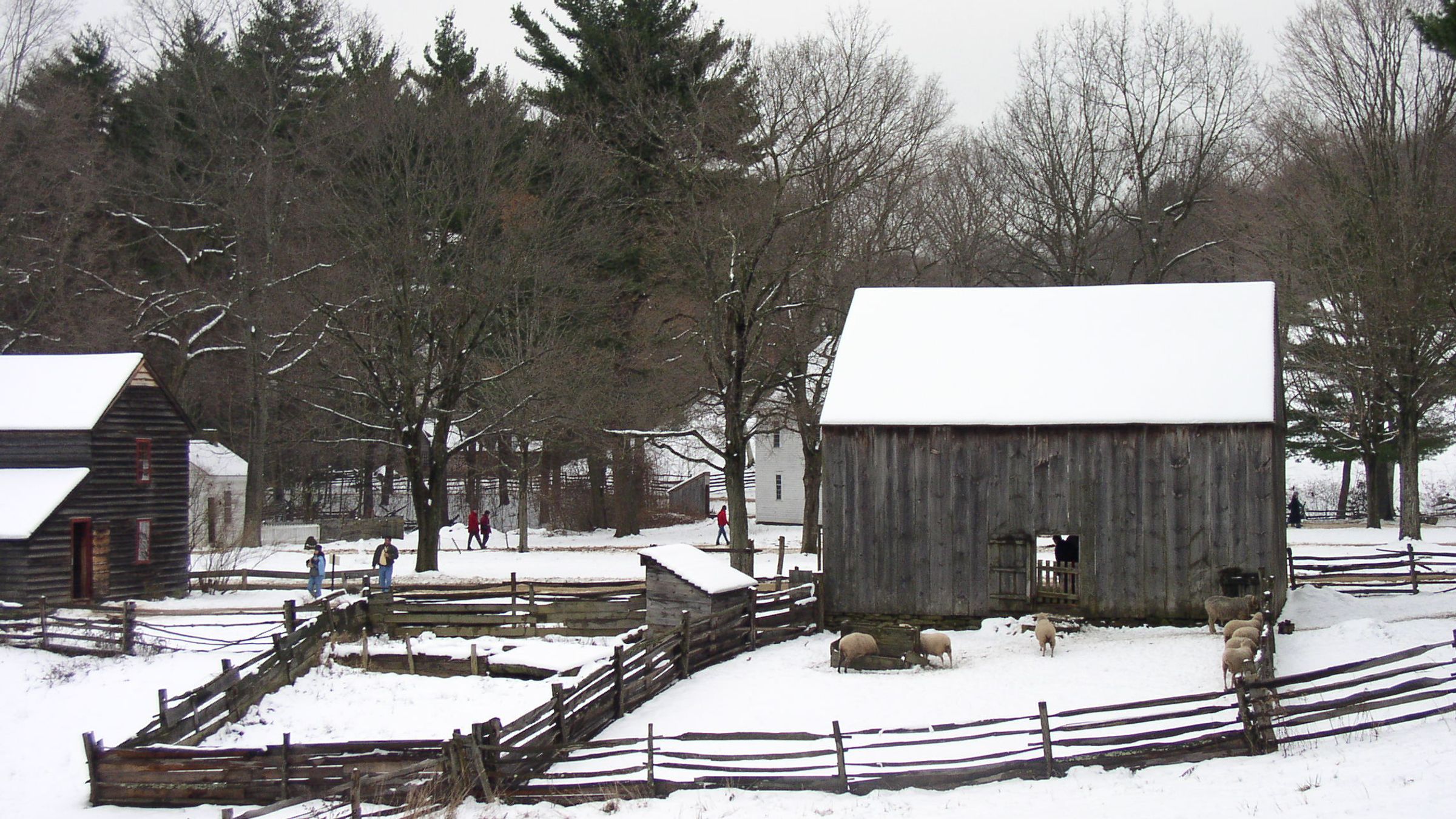
The village center at Old Sturbridge Village. — Wgmleslie
Why Old Sturbridge Village Matters
One of the first and largest living history museums in the country, Old Sturbridge Village reconstructs an entire early-19th-century New England community from buildings rescued from around the region, letting visitors step into a working recreation of pre-industrial rural life.
By the Numbers
Founding
- Founders
- Brothers Albert B. and J. Cheney Wells, who began collecting Americana in the 1920s-30s
- Opened
- 1946, to the public as a recreated village
Scale
- Buildings
- More than 40 historic buildings relocated from across New England, on roughly 200 acres
Concept
- Period depicted
- A composite, fictional village representing the 1790s-1830s, not a single historic town
Interpretation
- Demonstrations
- Costumed interpreters demonstrate period trades including blacksmithing, tinsmithing, and weaving
- Livestock
- Maintains heritage-breed farm animals to match the period setting
Standing
- Significance
- One of the largest and oldest living history museums in the United States
Timeline
- 1936Brothers Albert B. and J. Cheney Wells begin planning a museum village for their collection
- 1946Old Sturbridge Village opens to the public
- 1950Additional historic buildings begin being relocated to expand the village
Complete History
Brothers Albert B. and J. Cheney Wells began collecting early American clocks, tools, and household items in the 1920s and 1930s, amassing a substantial trove of Americana. Rather than display the collection in a conventional museum, the brothers conceived of recreating an entire New England village to give the objects their original context, purchasing land in Sturbridge, Massachusetts and beginning to plan the project in the mid-1930s.
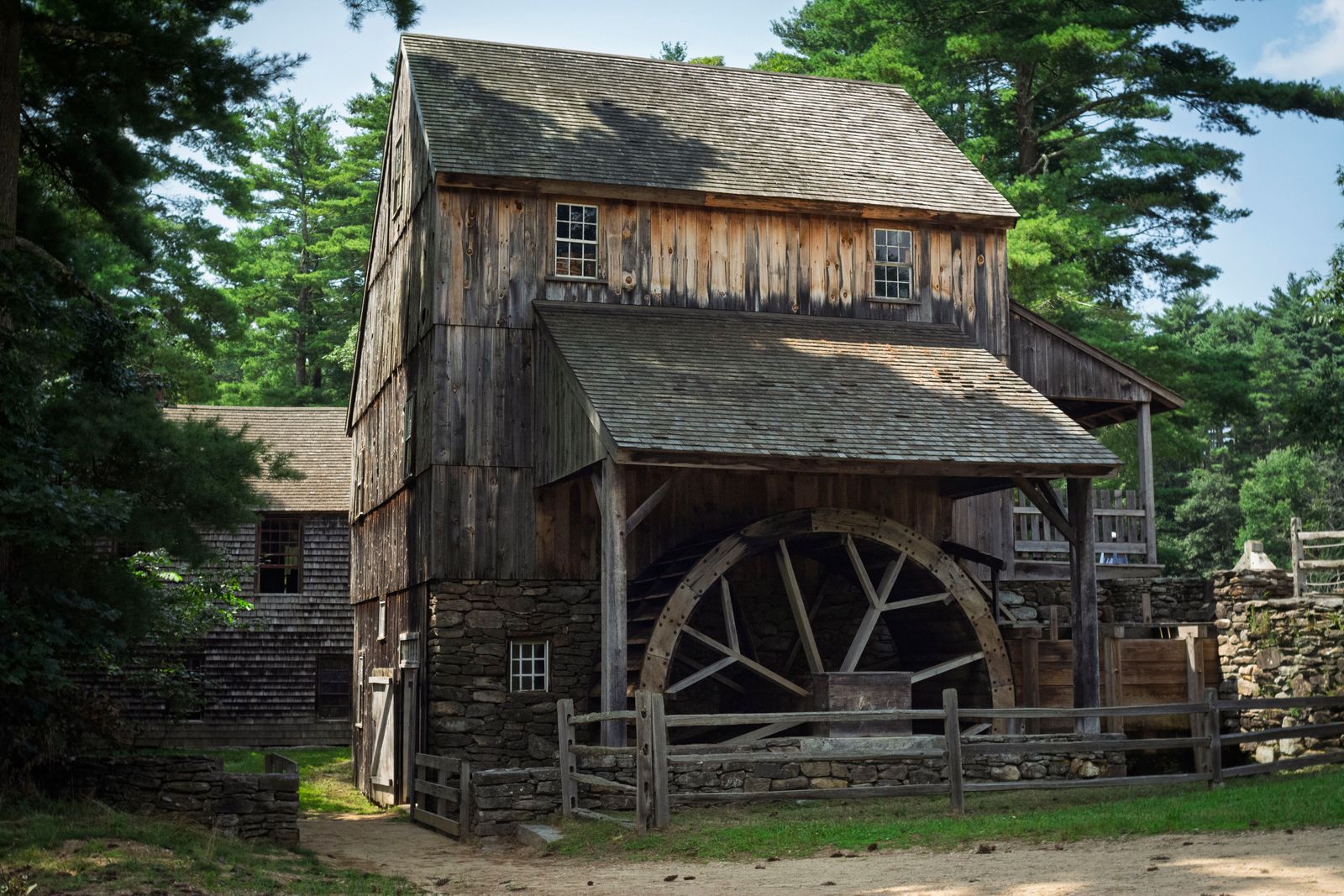
Old Sturbridge Village opened to the public in 1946, built not as a preserved original town but as a composite village assembled from more than 40 historic buildings relocated from sites across New England, chosen to represent rural life broadly between the 1790s and 1830s. Over the following decades, additional buildings, including farmhouses, mills, and a working meetinghouse, were added to expand the village's scope.
Today the roughly 200-acre site is staffed by costumed interpreters who demonstrate period trades such as blacksmithing, tinsmithing, and weaving using authentic techniques, and who tend heritage-breed livestock and working water-powered mills. It remains one of the largest and oldest outdoor living history museums in the United States, continuing the Wells brothers' original goal of making early American daily life tangible rather than displayed behind glass.
Historic Images
Interesting Facts
- Old Sturbridge Village is not a preserved original town — its more than 40 buildings were relocated from sites across New England to create a composite village.
- The museum was founded by two brothers, Albert B. and J. Cheney Wells, who started by collecting early American clocks and tools.
- Costumed interpreters demonstrate period trades like blacksmithing and weaving using authentic period techniques.
- The village recreates a specific slice of time: rural New England life roughly between the 1790s and 1830s.
- It occupies roughly 200 acres, making it one of the largest outdoor living history museums in the country.
Visiting Today
- Hours
- Seasonal; typically Wednesday–Sunday, check the website for winter hours
- Admission
- Paid admission (annual passes available)
- Best time to visit
- Fall, for foliage and harvest-season demonstrations
- Nearby
- Sturbridge historic district, Old Deerfield, Plimoth Patuxet Museums
Budget at least half a day — the site is large and spread across dozens of buildings
Frequently Asked Questions
Is Old Sturbridge Village a real historic town?
No. It's a composite village assembled from more than 40 historic buildings relocated from around New England, built to represent rural life broadly in the 1790s-1830s rather than preserve one actual town.
Who founded the museum?
Brothers Albert B. and J. Cheney Wells, who began collecting early American clocks, tools, and household items in the 1920s and 1930s before opening the village to the public in 1946.
What can visitors see there?
Costumed interpreters demonstrating period trades such as blacksmithing, tinsmithing, and weaving, heritage-breed farm animals, working water-powered mills, and dozens of restored period buildings.
What time period does it depict?
Rural New England village life roughly from the 1790s through the 1830s, in the decades just before industrialization transformed the region.