19th Century · Michigan
Mackinac Island Historic District
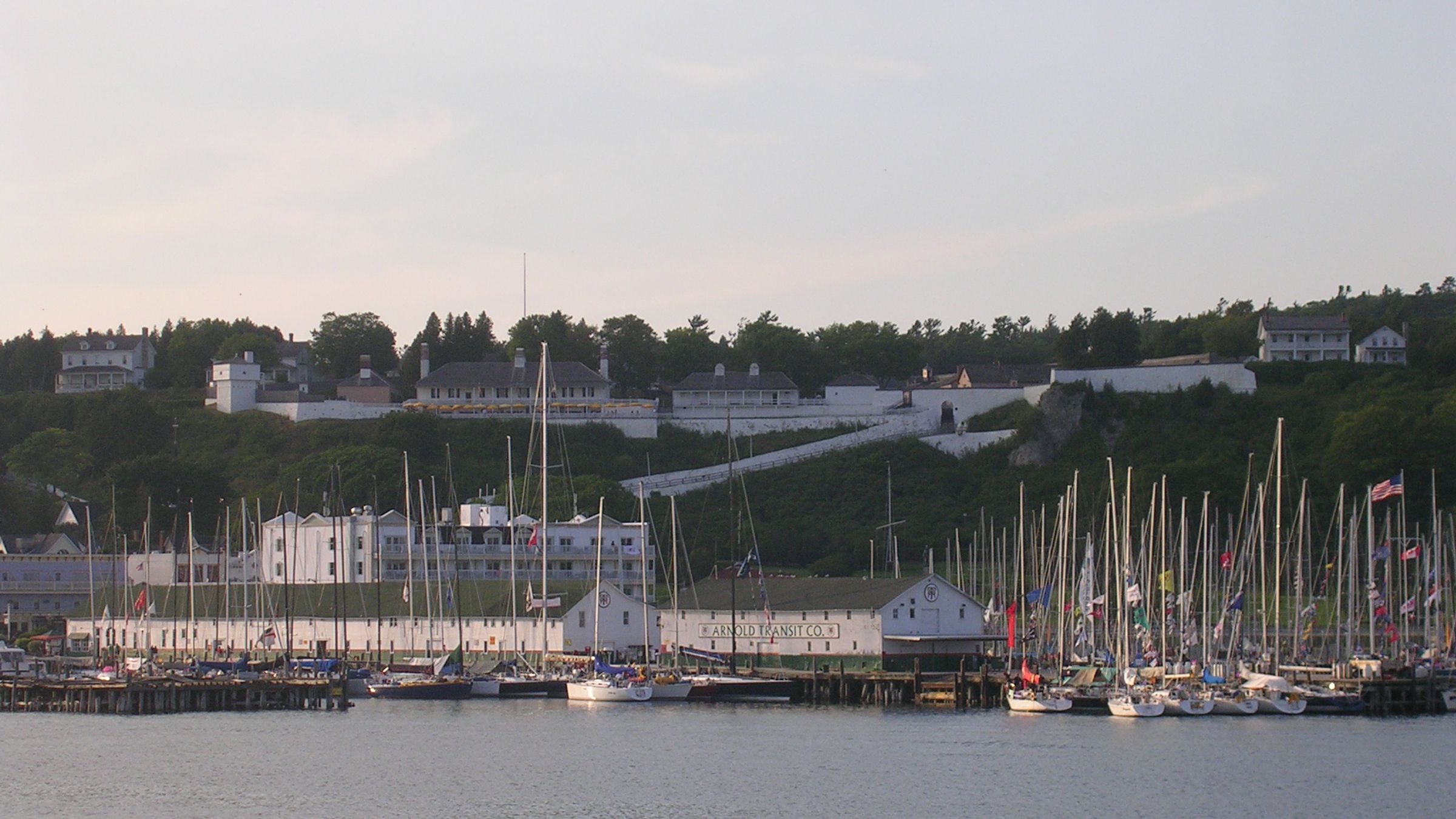
Fort Mackinac, seen from the water. — Petermatt1
Why Mackinac Island Historic District Matters
A former national park turned state park where motor vehicles have been banned since 1898, Mackinac Island preserves both a Revolutionary War-era fort and a slice of 19th-century travel that most of America left behind more than a century ago.
By the Numbers
History
- Fort Mackinac
- Built by the British in 1780
- War of 1812
- Captured by the British in a surprise 1812 attack, returned to the U.S. in 1815
Designation
- National park status
- Became the second U.S. National Park in 1875, after Yellowstone
- State park transfer
- Transferred to Michigan in 1895, becoming one of the first state parks
Transportation
- Car ban
- Motor vehicles banned since 1898, still in effect
Architecture
- Grand Hotel
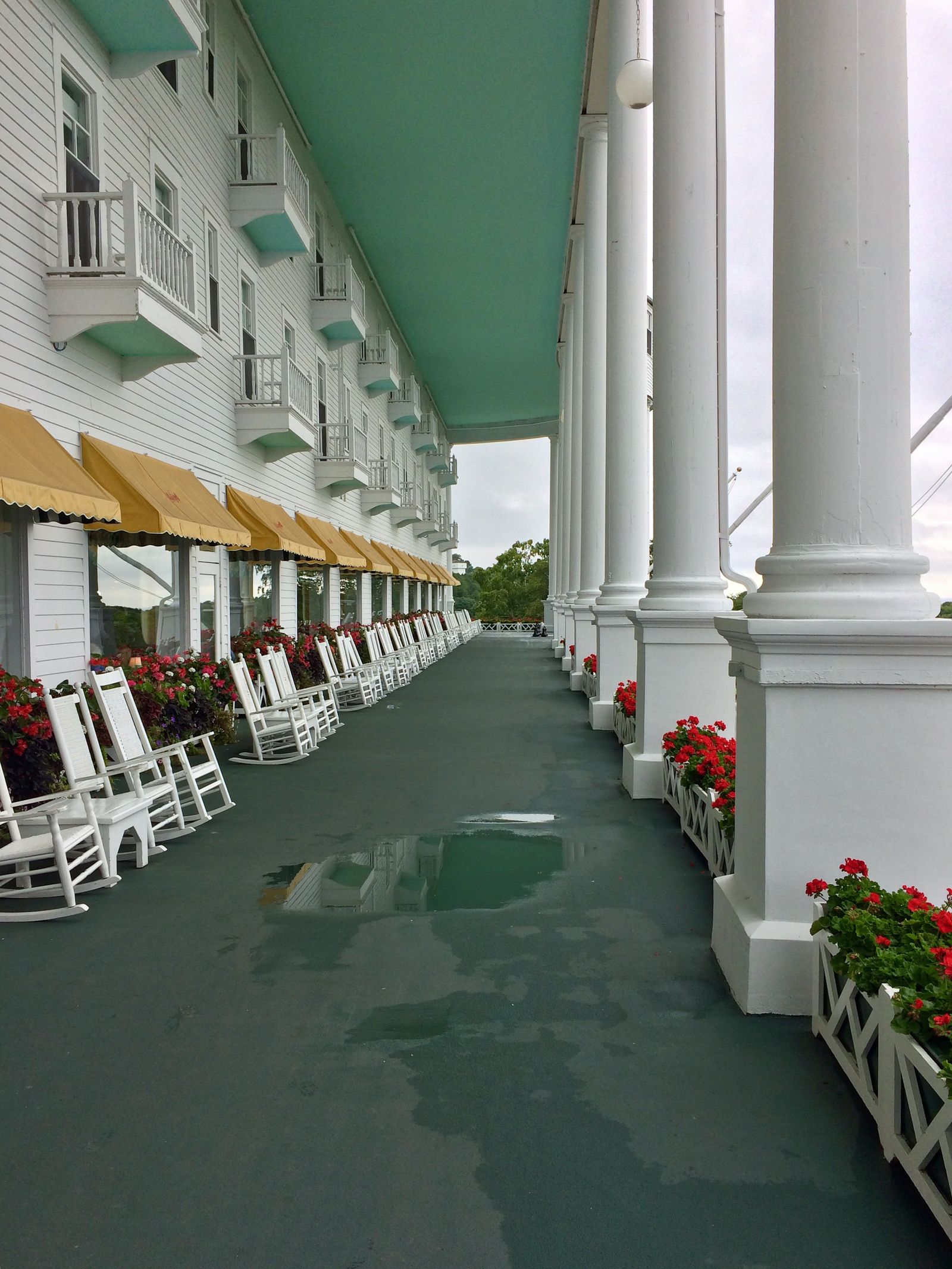
- Opened 1887, famous for its roughly 660-foot porch, the world's longest
Culture
- Film history
- Setting for the 1980 film 'Somewhere in Time'
Timeline
- 1780The British build Fort Mackinac
- 1812The British capture Fort Mackinac in a surprise attack during the War of 1812
- 1815The United States regains control of the island under the Treaty of Ghent
- 1875Mackinac Island becomes the second U.S. National Park
- 1887The Grand Hotel opens
- 1895The federal government transfers the park to Michigan, creating one of the first state parks
- 1898Motor vehicles are banned on the island
Complete History
British forces built Fort Mackinac in 1780, relocating from the more vulnerable Fort Michilimackinac on the mainland during the American Revolution to take advantage of the island's commanding position over the strategic straits between Lake Huron and Lake Michigan. The fort changed hands repeatedly in the following decades: British troops captured it in a surprise attack in July 1812, one of the first British victories of the War of 1812, and the United States did not regain control until the war's end in 1815.
In 1875, Congress designated Mackinac Island the second National Park in the United States, after Yellowstone, but the federal government found the small island difficult to manage from Washington and transferred it to the state of Michigan in 1895, making it one of the country's first state parks. The Grand Hotel, opened in 1887 with a porch stretching roughly 660 feet, became the island's signature landmark and a magnet for wealthy Gilded Age tourists.
In 1898, as automobiles began appearing and frightening the island's horses on its narrow streets, Mackinac Island banned motor vehicles altogether, a restriction that remains in effect to this day. The island's frozen-in-time character later made it a natural filming location for the 1980 film 'Somewhere in Time,' shot largely at the Grand Hotel, and its combination of fort, hotel, and horse-drawn transportation continues to draw visitors seeking a deliberately old-fashioned experience.
Historic Images
Interesting Facts
- Motor vehicles have been banned on Mackinac Island since 1898, one of the earliest and longest-running such bans in the country.
- The island was the United States' second National Park, established in 1875, before being transferred to Michigan as a state park in 1895.
- The British captured Fort Mackinac in a surprise attack during the War of 1812, one of their first victories of the war.
- The Grand Hotel's roughly 660-foot porch is billed as the longest in the world.
- The island served as the primary filming location for the 1980 film 'Somewhere in Time.'
Visiting Today
- Hours
- Island accessible via ferry; most attractions seasonal (May-October)
- Admission
- Ferry fare required; individual attractions charge separately
- Best time to visit
- Late spring through early fall, when ferries and most sites operate
- Nearby
- Mackinac Bridge, Fort Michilimackinac, Straits of Mackinac
Bring good walking shoes or rent a bike — there are no cars on the island
Frequently Asked Questions
Why are there no cars on Mackinac Island?
The island banned motor vehicles in 1898, shortly after they began appearing and frightening horses on the island's narrow streets; the ban has remained in effect ever since, and transportation today relies on horses, bicycles, and walking.
Was Mackinac Island really a national park?
Yes. It became the second U.S. National Park in 1875, after Yellowstone, before the federal government transferred it to the state of Michigan in 1895, making it one of the first state parks in the country.
What happened at Fort Mackinac during the War of 1812?
British forces captured the fort in a surprise attack in July 1812, one of the war's first British victories; the United States did not regain control until the war ended in 1815.
Is the Grand Hotel open to the public?
Yes, though non-guests typically must pay a fee to access the grounds and its famous porch, which stretches roughly 660 feet.