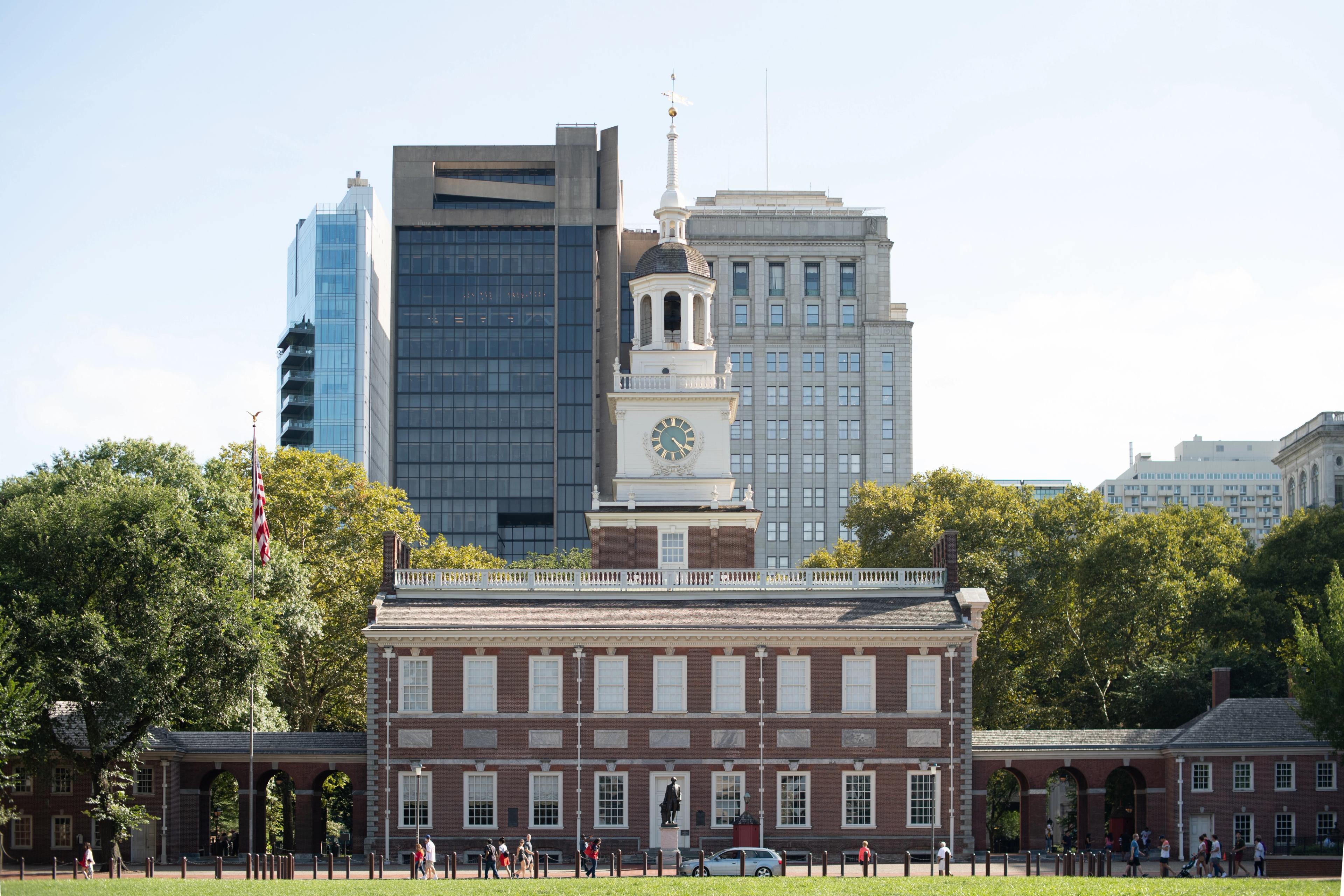
- Revolutionary War (1775–1783)
- 39.9496° N, 75.1503° W
Liberty Bell
Philadelphia, Pennsylvania · Cast 1752 (recast 1753)
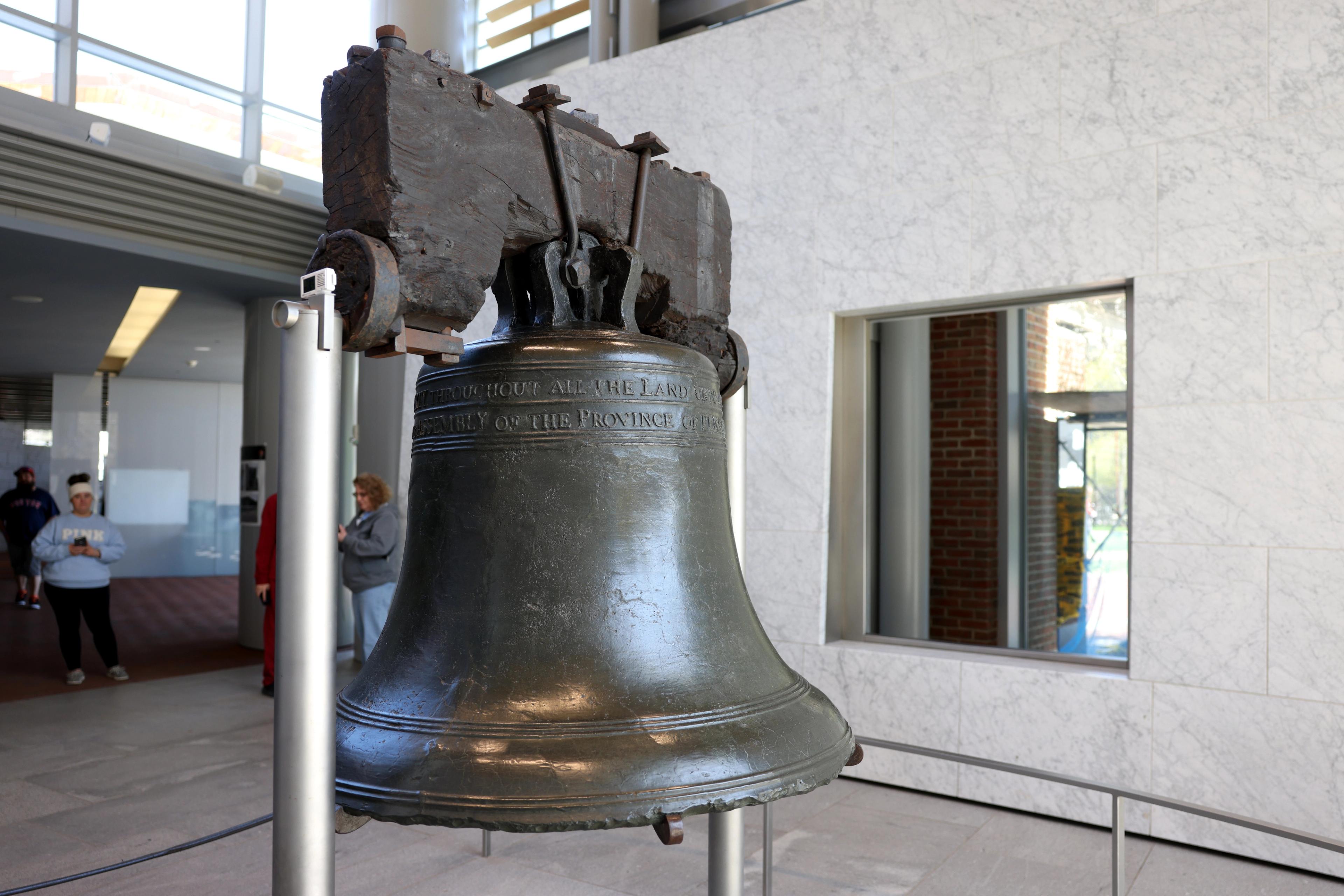
Gage Skidmore from Surprise, AZ, United States of America · CC BY-SA · via Wikimedia Commons
Why It Matters
The Liberty Bell is one of the most enduring symbols of American independence and freedom. Cast for the Pennsylvania State House — now Independence Hall — it bears the inscription “Proclaim LIBERTY throughout all the Land unto all the Inhabitants thereof,” words later embraced by Americans seeking liberty for all.
Famous for its jagged crack, the bell became a rallying emblem for abolitionists in the 19th century and, over time, for movements for civil rights and freedom worldwide. Today it draws millions of visitors to Philadelphia's Independence National Historical Park.
The History
The bell was cast in London at the Whitechapel Foundry in 1752 and hung in the tower of the Pennsylvania State House. It cracked on its first test ring in Philadelphia, and was recast twice locally by John Pass and John Stow, who added their names to it.
For decades the bell rang for public occasions in Philadelphia. In the 1830s, abolitionists adopted it as a symbol of their cause and gave it the name “Liberty Bell,” drawing on its biblical inscription from the Book of Leviticus. The bell's association with the Declaration of Independence grew into legend over the 19th century.
The famous crack widened over years of use, and the bell was retired from ringing by the mid-1840s. It later toured the country as a patriotic relic before returning to Philadelphia for good. Since 2003 it has been displayed in the Liberty Bell Center, across from Independence Hall, under the care of the National Park Service.
Through the Years
- 1752
The bell is cast in London for the Pennsylvania State House.
- 1753
After cracking, it is recast in Philadelphia by Pass and Stow.
- 1830s
Abolitionists adopt the bell and name it the “Liberty Bell.”
- c. 1846
The widening crack retires the bell from ringing.
- 2003
The Liberty Bell Center opens as the bell's permanent home.
The Archive
 Plate 01
Close-up view of the Liberty Bell
Gage Skidmore from Surprise, AZ, United States of America · CC BY-SA · via Wikimedia Commons
 Plate 02
The Liberty Bell in 2008.
Tony the Misfit on Flickr · CC BY · via Wikimedia Commons
 Plate 03Historic · 1897
Historic image of the Liberty Bell from 1897.
Shelden Company, Inc. · Public domain · via Wikimedia Commons
 Plate 04
The Liberty Bell, Philadelphia, Pennsylvania
Carol M. Highsmith Archive, Library of Congress · No known restrictions · via Library of Congress
Facts & Figures
The Bell
- Cast
- 1752 (recast 1753)
- Weight
- ~2,080 lbs (943 kg)
- Inscription
- “Proclaim LIBERTY throughout all the Land…”
- On display
- Liberty Bell Center, Philadelphia
The Register
- Established
- cast 1752 (recast 1753)
- Builder
- Whitechapel Foundry, London; recast by John Pass and John Stow
- Area of significance
- Politics/Government; Social History
Frequently Asked
Why is the Liberty Bell cracked?
It cracked over decades of ringing; the crack widened until the bell was retired from use around the mid-1840s. An earlier crack had also required recasting soon after it arrived.
What does the Liberty Bell say?
“Proclaim LIBERTY throughout all the Land unto all the Inhabitants thereof,” a verse from the Book of Leviticus.
Where is the Liberty Bell now?
At the Liberty Bell Center in Independence National Historical Park, across the street from Independence Hall in Philadelphia.
When was the Liberty Bell made?
It was cast in London in 1752 and recast in Philadelphia in 1753.
Is it free to see the Liberty Bell?
Yes. Admission to the Liberty Bell Center is free; no tickets are required, though visitors pass through security.