Civil War · West Virginia
Harpers Ferry
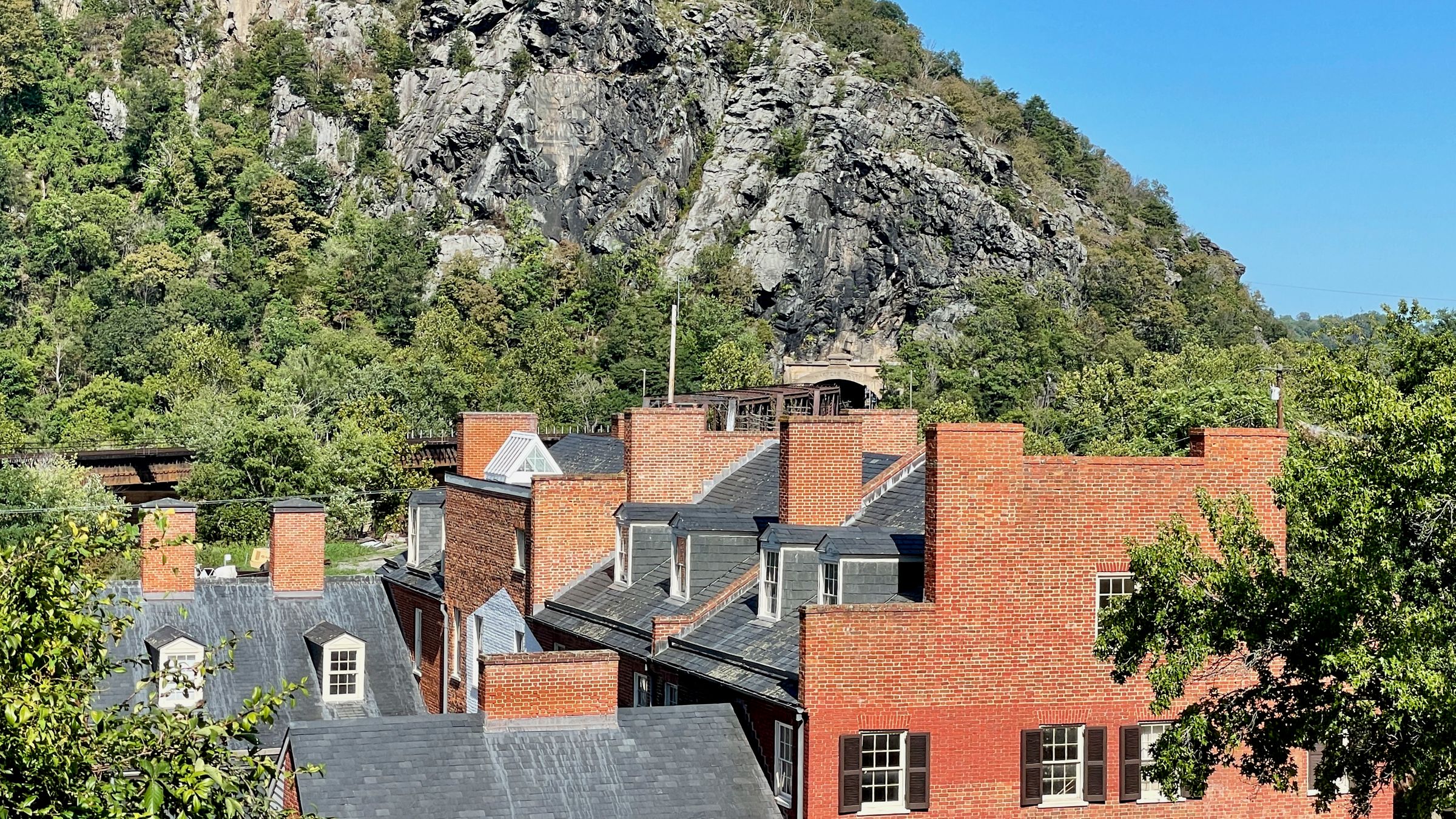
The historic Lower Town of Harpers Ferry. — Zeete
Why Harpers Ferry Matters
Perched where the Potomac and Shenandoah rivers meet, Harpers Ferry sits at a crossroads of American history. Its federal armory drew the abolitionist John Brown, whose 1859 raid to spark a slave uprising helped push the nation toward civil war. When that war came, the town's rivers, railroad, and arsenal made it a prize that changed hands again and again. And in its aftermath, Harpers Ferry became a cradle of Black education and civil-rights organizing. Few small towns carry so much national weight.
By the Numbers
Geography
- Location
- Confluence of the Potomac & Shenandoah
History
- U.S. Armory
- Established 1799
- John Brown's raid
- October 16–18, 1859
- Civil War
- Changed hands ~8 times
Education
- Storer College
- Founded 1865
Civil rights
- Niagara Movement
- Second meeting, 1906
Designation
- Park
- Harpers Ferry NHP (NPS)
Timeline
- 1799The U.S. establishes a national armory at Harpers Ferry
- 1803Meriwether Lewis gathers arms here for the expedition west
- 1859John Brown raids the armory on October 16; he is captured within two days
- 1859John Brown is hanged for treason on December 2
- 1862Stonewall Jackson captures ~12,500 Union troops in September
- 1865Storer College is founded to educate formerly enslaved people
- 1906The Niagara Movement holds its second meeting at Storer College
Complete History
In 1799 the United States established one of its two national armories at Harpers Ferry, drawn by the water power of the converging rivers. The armory made the town strategically vital — Meriwether Lewis stopped here in 1803 to gather rifles and gear for the expedition west — and its guns would later make it a target. Thomas Jefferson, gazing from the heights above, judged the view 'worth a voyage across the Atlantic.'
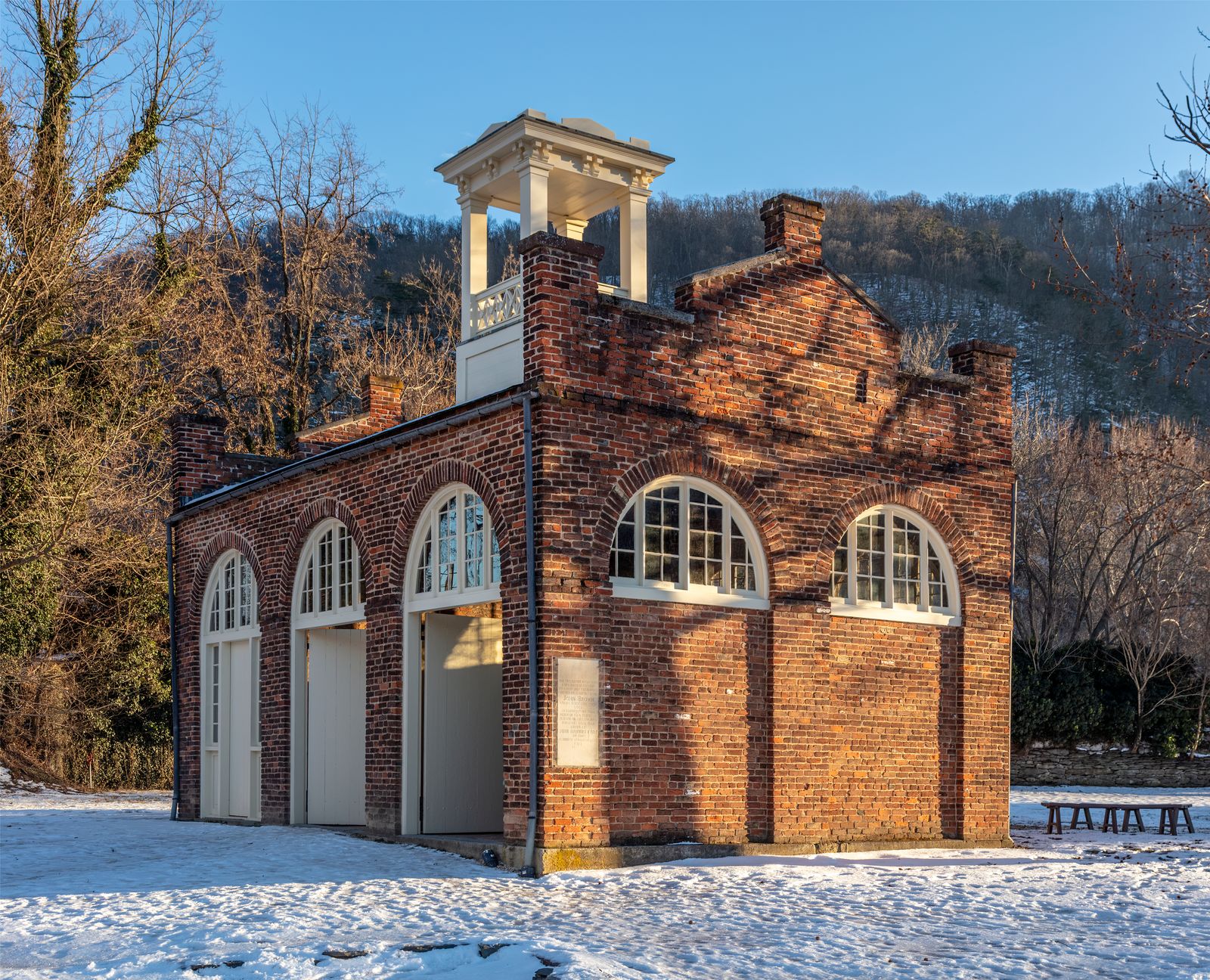
On the night of October 16, 1859, the abolitionist John Brown and a small band seized the federal armory, hoping to arm enslaved people and ignite a rebellion across the South. Within thirty-six hours U.S. Marines under Colonel Robert E. Lee stormed the engine house where Brown had barricaded himself. Brown was captured, tried for treason, and hanged on December 2, 1859. North and South read his raid in opposite ways, and it hardened the sectional divide that erupted into war eighteen months later.
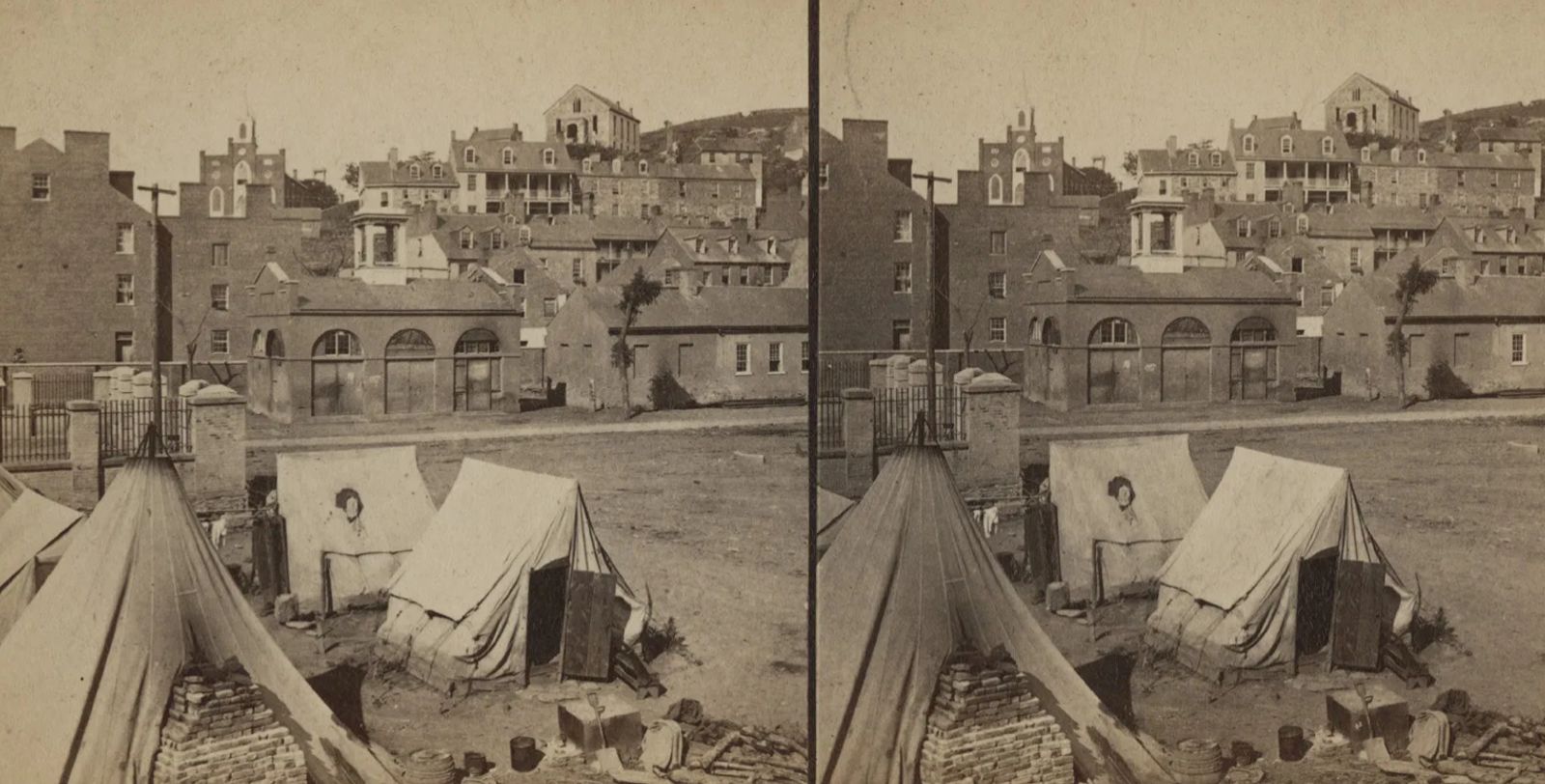
During the Civil War the town changed hands roughly eight times. In September 1862, as part of the Antietam Campaign, Stonewall Jackson captured some 12,500 Union soldiers at Harpers Ferry — the largest surrender of U.S. troops until Bataan in 1942. After the war, Storer College was founded here in 1865 to educate formerly enslaved people, and in 1906 it hosted the second meeting of the Niagara Movement, a forerunner of the NAACP. The restored Lower Town is now Harpers Ferry National Historical Park.
Historic Images
Interesting Facts
- Abolitionist John Brown seized the federal armory here in 1859, hoping to arm a slave uprising; U.S. Marines under Robert E. Lee captured him.
- Because it guarded a river gateway and an armory, the town changed hands roughly eight times during the Civil War.
- In September 1862 Stonewall Jackson captured some 12,500 Union troops here — the largest U.S. surrender until Bataan in 1942.
- Thomas Jefferson called the view from the heights 'worth a voyage across the Atlantic.'
- Storer College, founded here in 1865, hosted the 1906 Niagara Movement, a forerunner of the NAACP.
Visiting Today
- Hours
- The park and Lower Town are open daily; the visitor center and shuttle run on seasonal hours — check the NPS site.
- Admission
- An entrance fee (per vehicle or person) covers the park; passes are accepted. Most visitors park at the visitor center and ride the shuttle down.
- Best time to visit
- Spring and fall for mild weather and foliage over the rivers; summer is busiest.
- Nearby
- Antietam National Battlefield is a short drive north in Maryland, and the Appalachian Trail passes through town.
Take the shuttle into the Lower Town, tour John Brown's Fort and the museums, then hike up the stone steps to Jefferson Rock for the view Jefferson praised.
Frequently Asked Questions
What was John Brown's raid on Harpers Ferry?
In October 1859 the abolitionist John Brown seized the federal armory to arm enslaved people and spark a rebellion. Marines under Robert E. Lee captured him within two days, and he was hanged that December.
Why was Harpers Ferry important in the Civil War?
It commanded a river gateway, a railroad, and an armory, making it strategically vital. The town changed hands about eight times, and in 1862 Stonewall Jackson captured some 12,500 Union soldiers there.
What was Storer College?
Founded at Harpers Ferry in 1865, Storer College was one of the earliest schools to educate formerly enslaved people. In 1906 it hosted the second meeting of the Niagara Movement, a forerunner of the NAACP.
Can you visit Harpers Ferry today?
Yes. Harpers Ferry National Historical Park preserves the restored Lower Town, with museums, John Brown's Fort, and trails up to Jefferson Rock and the overlooks.