Natural · South Dakota
Custer State Park
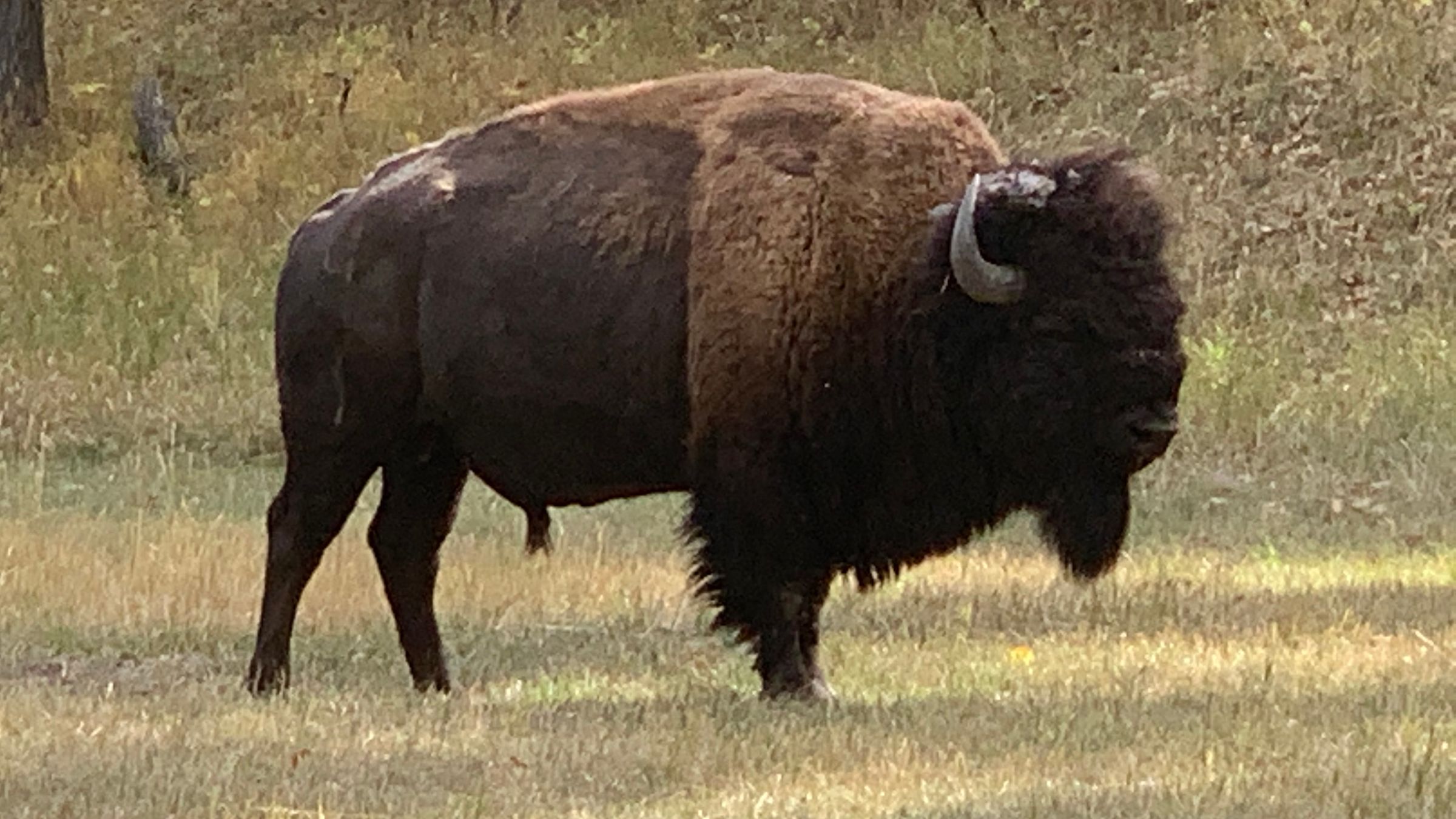
A bison in Custer State Park. — Hcrumplermd
Why Custer State Park Matters
Named for the officer whose 1874 expedition broke a treaty and triggered a gold rush into land promised to the Lakota, Custer State Park today protects one of the largest public bison herds in the world across some of the most dramatic terrain in the Black Hills.
By the Numbers
Founding
- Established
- 1919 (originally set aside 1912), roughly 71,000 acres
History
- Namesake
- Lt. Col. George Armstrong Custer, whose 1874 expedition confirmed gold in the Black Hills
- Treaty context
- The expedition violated the 1868 Fort Laramie Treaty, which had granted the Black Hills to the Lakota Sioux
Wildlife
- Bison herd
- One of the largest publicly owned bison herds in the world, roughly 1,300 animals
- Buffalo Roundup
- Annual event since 1965 to manage herd health and population
Scenery
- Scenic drives
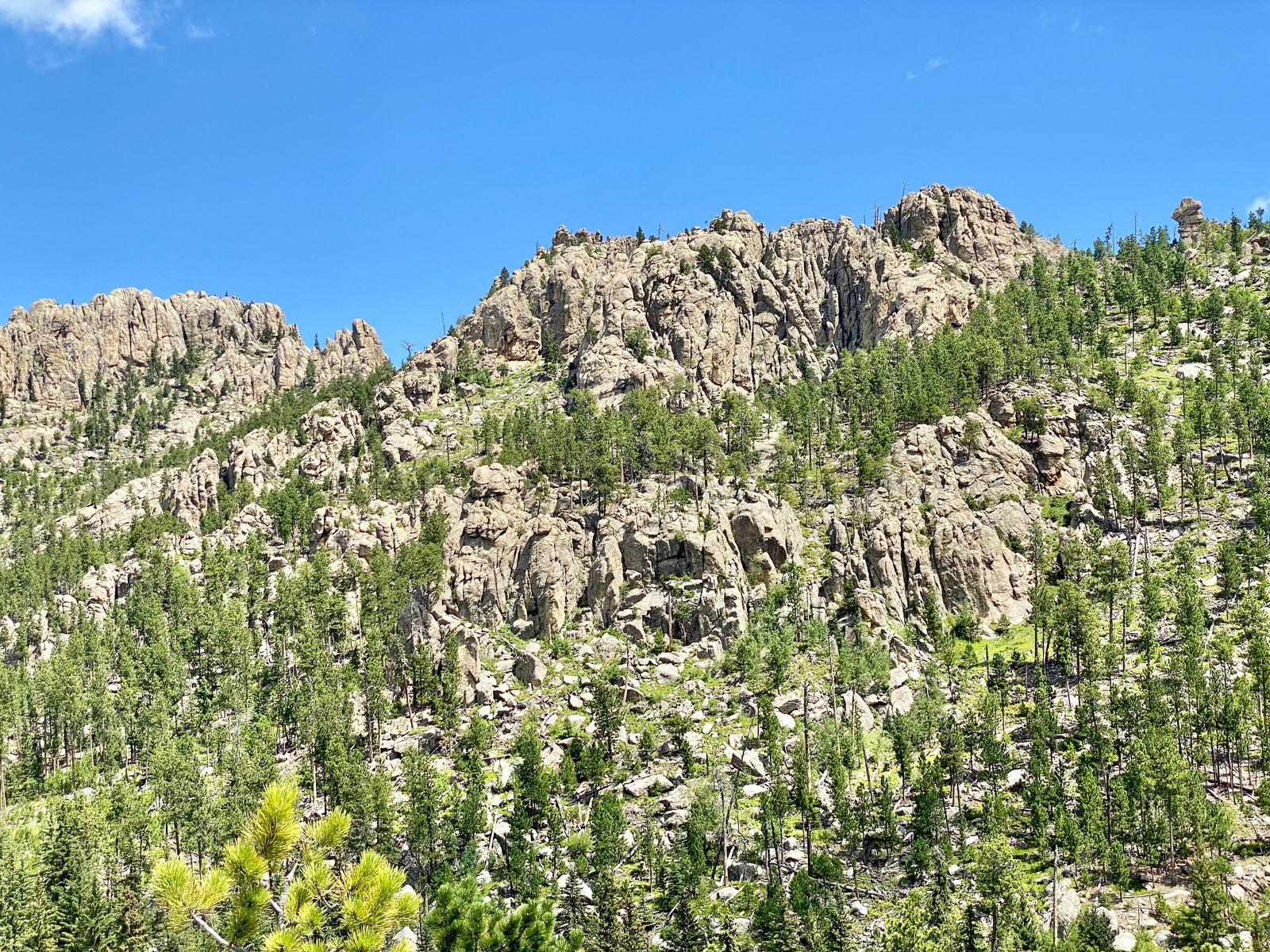
- Needles Highway and Iron Mountain Road, cut through granite spire formations
- Tunnel alignment
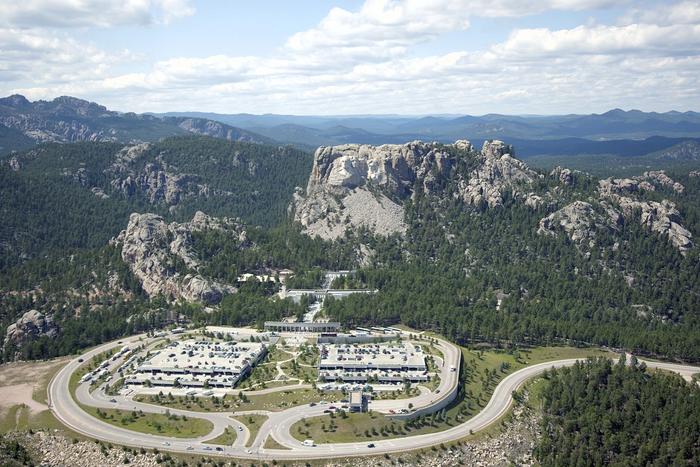
- Iron Mountain Road's tunnels are aligned to frame views of Mount Rushmore
Timeline
- 1868The Fort Laramie Treaty grants the Black Hills to the Lakota Sioux
- 1874Custer's expedition confirms gold in the Black Hills, triggering a gold rush and treaty violations
- 1912The area is set aside as Custer State Forest and Game Sanctuary
- 1919Redesignated Custer State Park
- 1965The first annual Buffalo Roundup is held
Complete History
The Fort Laramie Treaty of 1868 had granted the Black Hills to the Lakota Sioux, but in 1874 Lieutenant Colonel George Armstrong Custer led a military expedition into the region that confirmed the presence of gold, setting off a rush of prospectors that the U.S. government did little to stop, in direct violation of the treaty. The influx of miners and settlers that followed would lead to further conflict and, eventually, the loss of the Black Hills to the Lakota entirely.
Decades later, South Dakota set aside a large tract of the Black Hills as Custer State Forest and Game Sanctuary in 1912, redesignating it Custer State Park in 1919. The park, spanning roughly 71,000 acres, became a refuge for wildlife nearly extirpated from the region, including bison, which were reintroduced and carefully managed to rebuild a sustainable herd.
That herd has grown into one of the largest publicly owned bison populations in the world, roughly 1,300 animals, managed since 1965 through an annual fall Buffalo Roundup that brings the herd together for health checks and population control. The park's scenic Needles Highway and Iron Mountain Road, cut through dramatic granite spire formations, include tunnels deliberately aligned to frame distant views of Mount Rushmore, linking the park visually to its more famous Black Hills neighbor.
Historic Images
Interesting Facts
- Custer State Park is named for the officer whose 1874 expedition triggered a gold rush by confirming gold in the Black Hills.
- That expedition violated the 1868 Fort Laramie Treaty, which had granted the Black Hills to the Lakota Sioux.
- The park is home to one of the largest publicly owned bison herds in the world, at roughly 1,300 animals.
- Its annual Buffalo Roundup, held every fall since 1965, helps manage the herd's health and size.
- Iron Mountain Road's tunnels were deliberately aligned to frame views of Mount Rushmore in the distance.
Visiting Today
- Hours
- Park open 24 hours; visitor centers have seasonal hours
- Admission
- Entrance fee (South Dakota state park license required)
- Best time to visit
- Fall, for the Buffalo Roundup; summer for wildlife loop drives
- Nearby
- Mount Rushmore, Crazy Horse Memorial, Black Hills National Forest
Drive the Wildlife Loop Road at dawn or dusk for the best chance of seeing bison, pronghorn, and begging burros
Frequently Asked Questions
Why is the park named after Custer, and is that controversial?
The park is named for Lt. Col. George Armstrong Custer, whose 1874 expedition into the Black Hills confirmed gold deposits and triggered a gold rush that violated the 1868 Fort Laramie Treaty granting the region to the Lakota Sioux; the naming remains a point of historical tension given that history.
How big is the park's bison herd?
Roughly 1,300 bison, one of the largest publicly owned herds in the world, managed through an annual roundup each fall.
What is the Buffalo Roundup?
An annual event, held every fall since 1965, in which park staff and volunteer riders herd the park's bison together for health checks, vaccinations, and population management.
What are Needles Highway and Iron Mountain Road known for?
Scenic drives cut through dramatic granite spire formations, with narrow tunnels on Iron Mountain Road deliberately aligned to frame distant views of Mount Rushmore.