Antebellum · South Carolina
Charleston Historic District
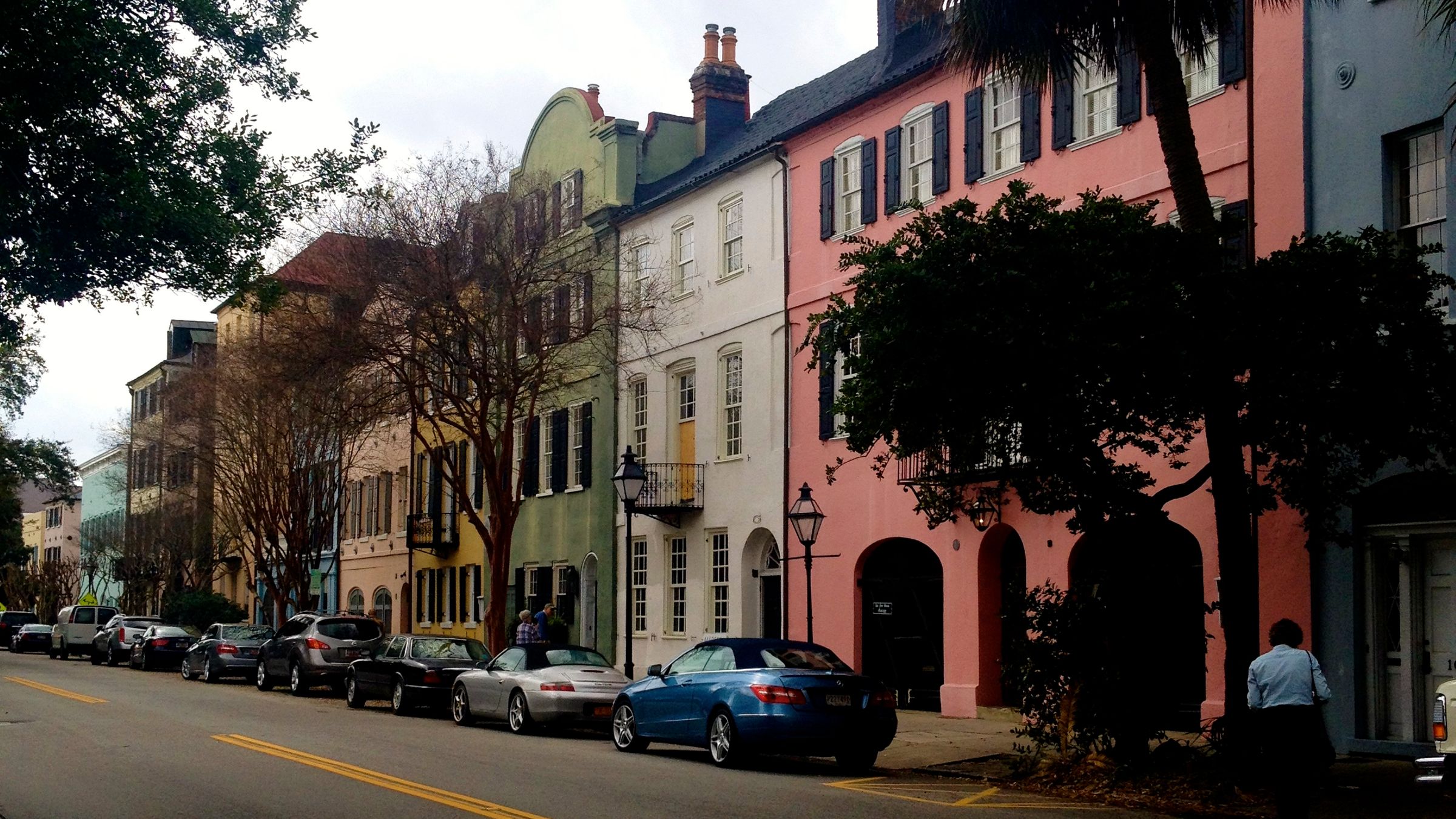
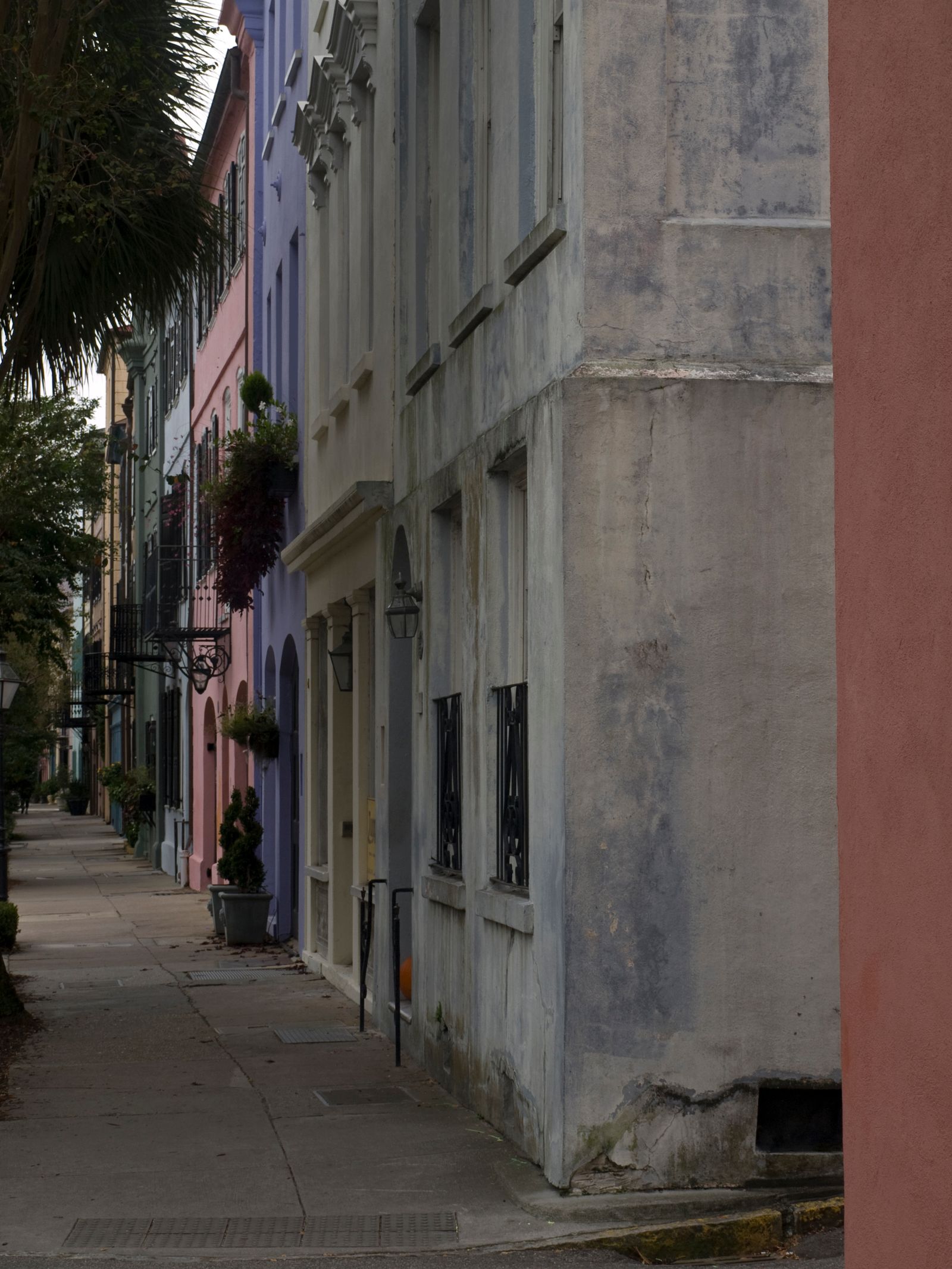
Rainbow Row, Charleston's iconic pastel row houses. — Melizabethi123
Why Charleston Historic District Matters
Charleston's Historic District is one of the largest and most intact historic neighborhoods in America — a living museum of colonial and antebellum architecture in one of the nation's oldest cities. Founded in 1670, Charleston preserves pastel row houses, columned piazzas, wrought-iron gates, cobblestone streets, and the church steeples that earned it the nickname 'the Holy City.' Birthplace of the nation's first historic-preservation laws and the place where the Civil War began, it is a singular window into the history of the American South.
By the Numbers
The City
- Founded
- 1670, as Charles Town
The District
- Known for
- Single houses, Rainbow Row, the Battery, church steeples
Nickname
- 'The Holy City'
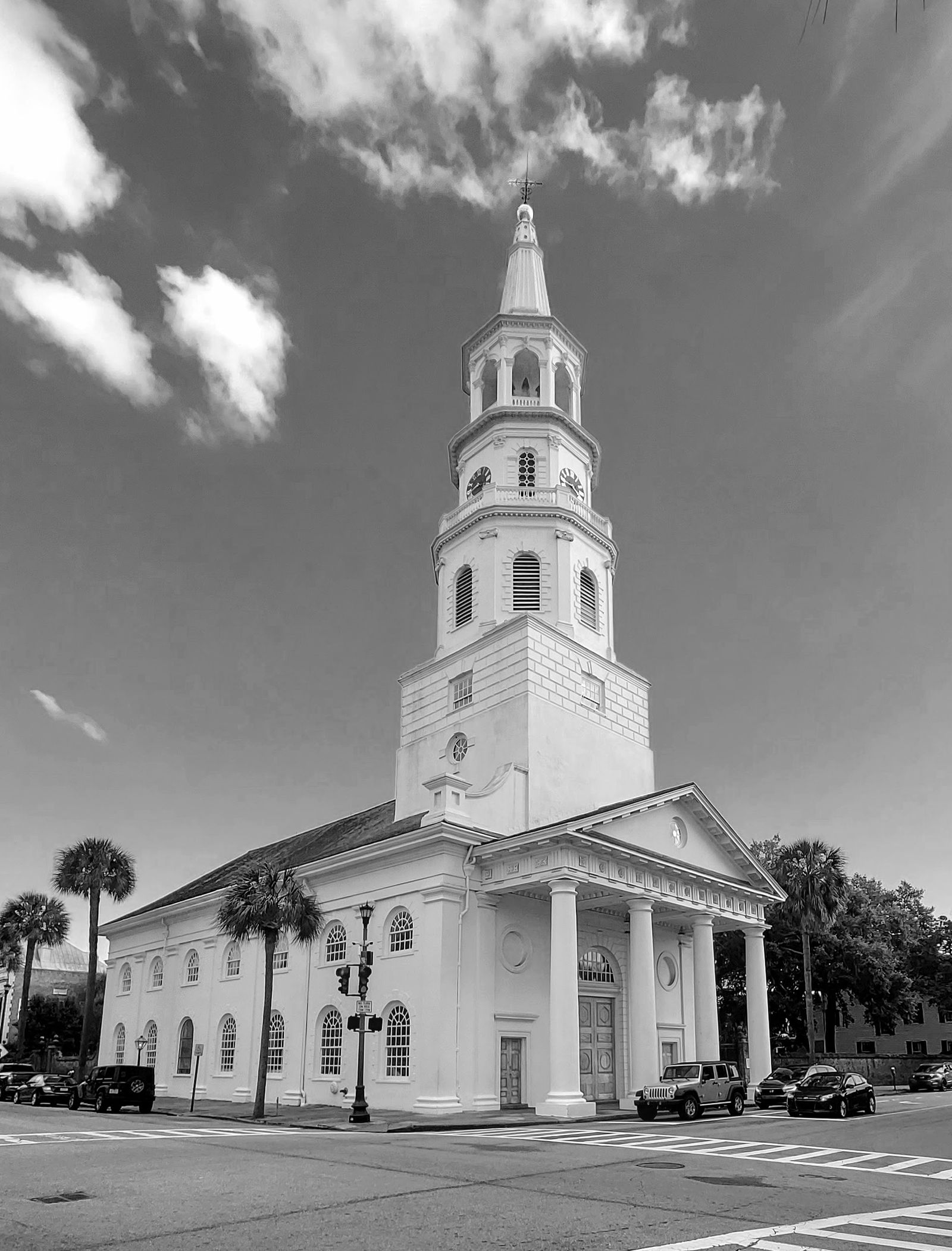
- For its many church spires
History
- The Civil War
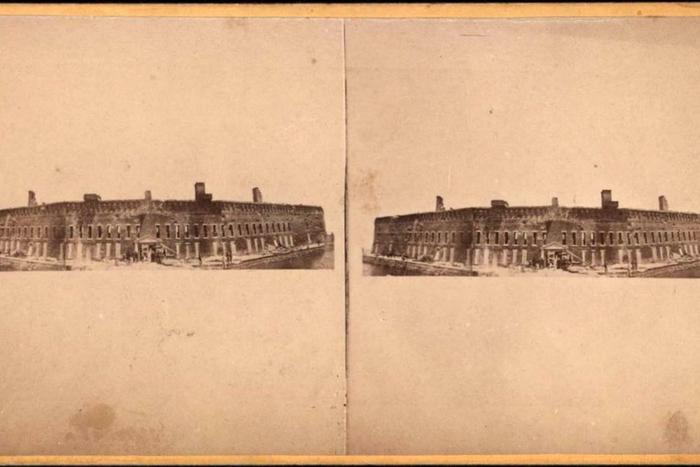
- Began at Fort Sumter in the harbor, 1861
Preservation
- First in the U.S.
- 1931 historic-district zoning ordinance
Status
- Designation
- National Historic Landmark district (1960)
Today
- Managed by
- City of Charleston
Timeline
- 1670Charles Town is founded, named for King Charles II.
- 1700sCharleston grows into a wealthy colonial rice and indigo port.
- 1861The Civil War begins at Fort Sumter in Charleston Harbor.
- 1886A major earthquake damages much of the city.
- 1931Charleston adopts the first U.S. historic-district zoning ordinance.
- 1960The Charleston Historic District is designated a National Historic Landmark.
Complete History
Charleston was founded in 1670 as Charles Town, named for King Charles II of England, and quickly grew into one of colonial America's wealthiest and most important ports. Its prosperity was built on rice and indigo plantations and on the labor of enslaved Africans, and the city became the largest slave-trading port in North America — a history central to understanding both its grandeur and its tragedy.
By the 18th and 19th centuries Charleston's peninsula filled with elegant architecture: the distinctive 'single houses' turned sideways to catch the sea breeze, the mansions of the Battery along the waterfront, and dozens of churches whose steeples gave the city its 'Holy City' nickname. In April 1861 the Civil War began just offshore, when Confederate guns bombarded the Union-held Fort Sumter in Charleston Harbor.
Charleston endured war, a devastating earthquake in 1886, and repeated hurricanes, yet much of its historic fabric survived. In 1931 the city took a pioneering step, adopting the first historic-district zoning ordinance and Board of Architectural Review in the United States to protect its old buildings. That early preservation ethic saved the district, which was designated a National Historic Landmark in 1960 and remains one of the most visited historic areas in the country.
Historic Images
Interesting Facts
- Charleston, founded in 1670, is one of the oldest cities in the United States.
- In 1931 Charleston adopted the first historic-district zoning ordinance in the nation, pioneering American preservation law.
- The city is nicknamed 'the Holy City' for the many church steeples that dominate its skyline.
- Rainbow Row, a stretch of pastel-painted Georgian row houses, is one of the most photographed sights in the district.
- The Civil War began in April 1861 when Confederate forces bombarded Fort Sumter in Charleston Harbor.
Visiting Today
- Hours
- The Charleston Historic District is a public neighborhood open at all hours; its streets, Rainbow Row, and the Battery are always accessible, while house museums and churches keep their own schedules.
- Admission
- Exploring the district on foot is free. House museums, guided tours, and carriage rides charge separate admission.
- Best time to visit
- Spring and fall bring mild weather and blooming gardens; summers are hot and humid. The city is busy during festival season, especially the Spoleto arts festival in late spring.
- Nearby
- Fort Sumter (by harbor ferry), the plantations along the Ashley River, and the beaches of Sullivan's Island and Folly Beach.
Walk the peninsula from the Battery up through the old streets to take in the single houses and church steeples, and consider a guided walking or carriage tour for the history. Combine it with a ferry to Fort Sumter out in the harbor.
Frequently Asked Questions
Why is Charleston's Historic District famous?
It is one of the largest and best-preserved historic districts in America, with colonial and antebellum architecture in a city founded in 1670, and it pioneered U.S. historic-preservation law in 1931.
What is a Charleston single house?
It is a house one room wide, turned with its narrow end to the street and a long side porch, or 'piazza,' to catch the breeze — a style especially associated with historic Charleston.
Why is Charleston called the Holy City?
The nickname comes from the large number of church steeples that rise above its skyline, a legacy of the religious tolerance that drew many congregations to the colonial city.
Can you visit Charleston's Historic District?
Yes. The district is a walkable neighborhood open to all, with Rainbow Row, the Battery, historic churches, and house museums, plus carriage and walking tours.