Gilded Age · North Carolina
Biltmore Estate
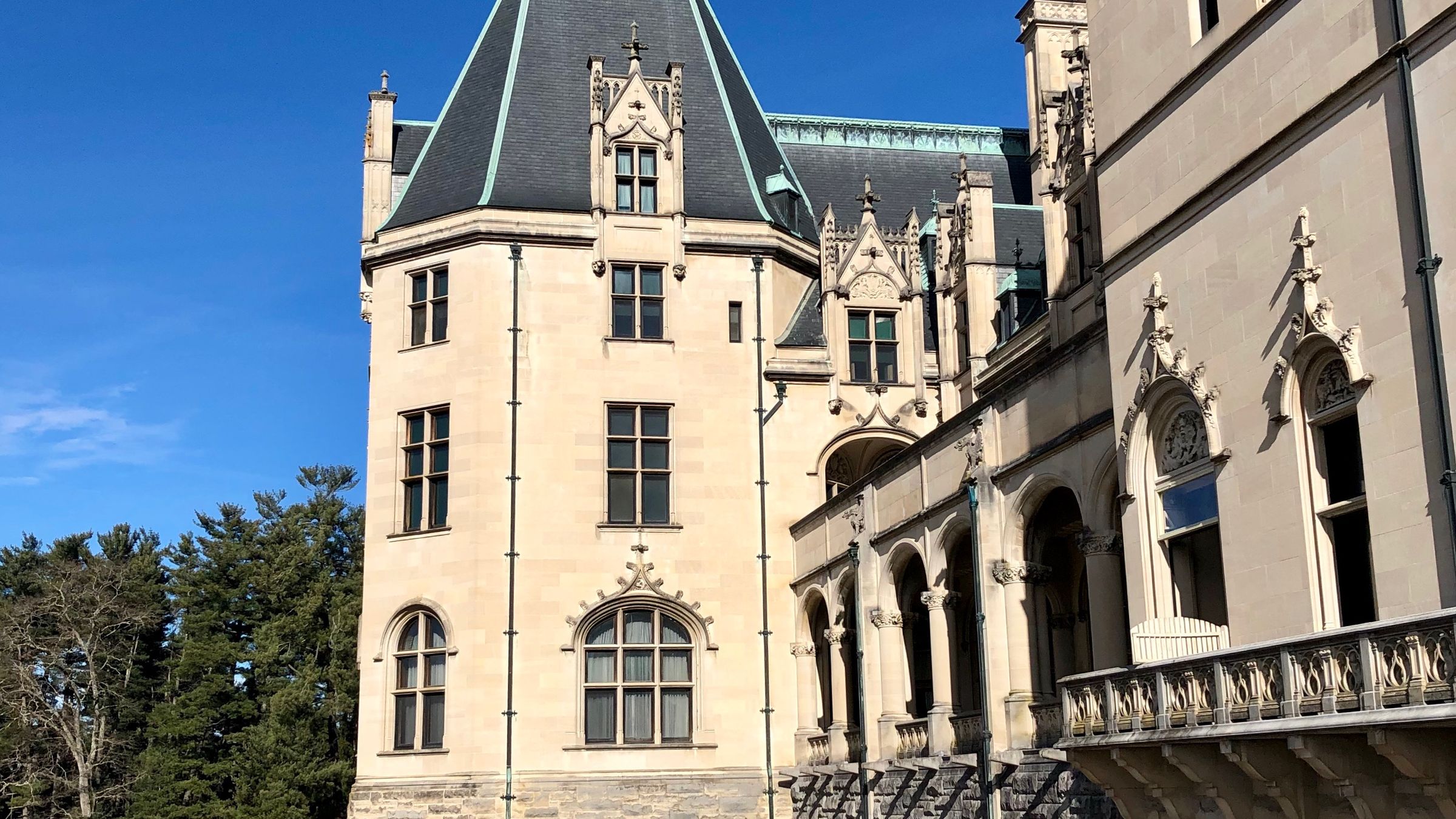
Biltmore House, the 250-room Vanderbilt chateau near Asheville. — Warren LeMay
Why Biltmore Estate Matters
Biltmore is the largest privately owned house in the United States — a 250-room French Renaissance château that George Washington Vanderbilt II raised in the Blue Ridge Mountains of North Carolina at the height of the Gilded Age. Designed by architect Richard Morris Hunt with grounds by Frederick Law Olmsted, the father of American landscape architecture, the estate was a self-contained world of art, science, and forestry — and a monument to the fortunes and ambitions of America's wealthiest family.
By the Numbers
The House
- Architect
- Richard Morris Hunt
- Style
- Châteauesque (French Renaissance)
- Floor area
- 178,926 sq ft (~4 acres)
- Rooms
- 250, incl. 35 bedrooms & 43 bathrooms
- Fireplaces
- 65
The Grounds
- Landscape architect
- Frederick Law Olmsted
- Estate size
- ~8,000 acres today (from ~125,000 originally)
Timeline
- 1888George Vanderbilt begins assembling land in the mountains near Asheville.
- 1889Construction of Biltmore House begins under architect Richard Morris Hunt.
- 1895Vanderbilt opens the completed house to family on Christmas Eve.
- 1914George Vanderbilt dies; his widow Edith later sells ~87,000 acres for Pisgah National Forest.
- 1930Biltmore opens to the public to help boost Depression-era tourism.
- 1985The Biltmore Estate winery opens in the estate's former dairy barn.
Complete History
In the late 1880s George Washington Vanderbilt II, a grandson of railroad and shipping magnate Cornelius Vanderbilt, began quietly buying up land in the mountains around Asheville, North Carolina, drawn by the scenery and mild climate. Ultimately he assembled roughly 125,000 acres. To design his home he hired Richard Morris Hunt, the most fashionable architect of the age, and to shape the landscape he engaged Frederick Law Olmsted, co-designer of New York's Central Park.
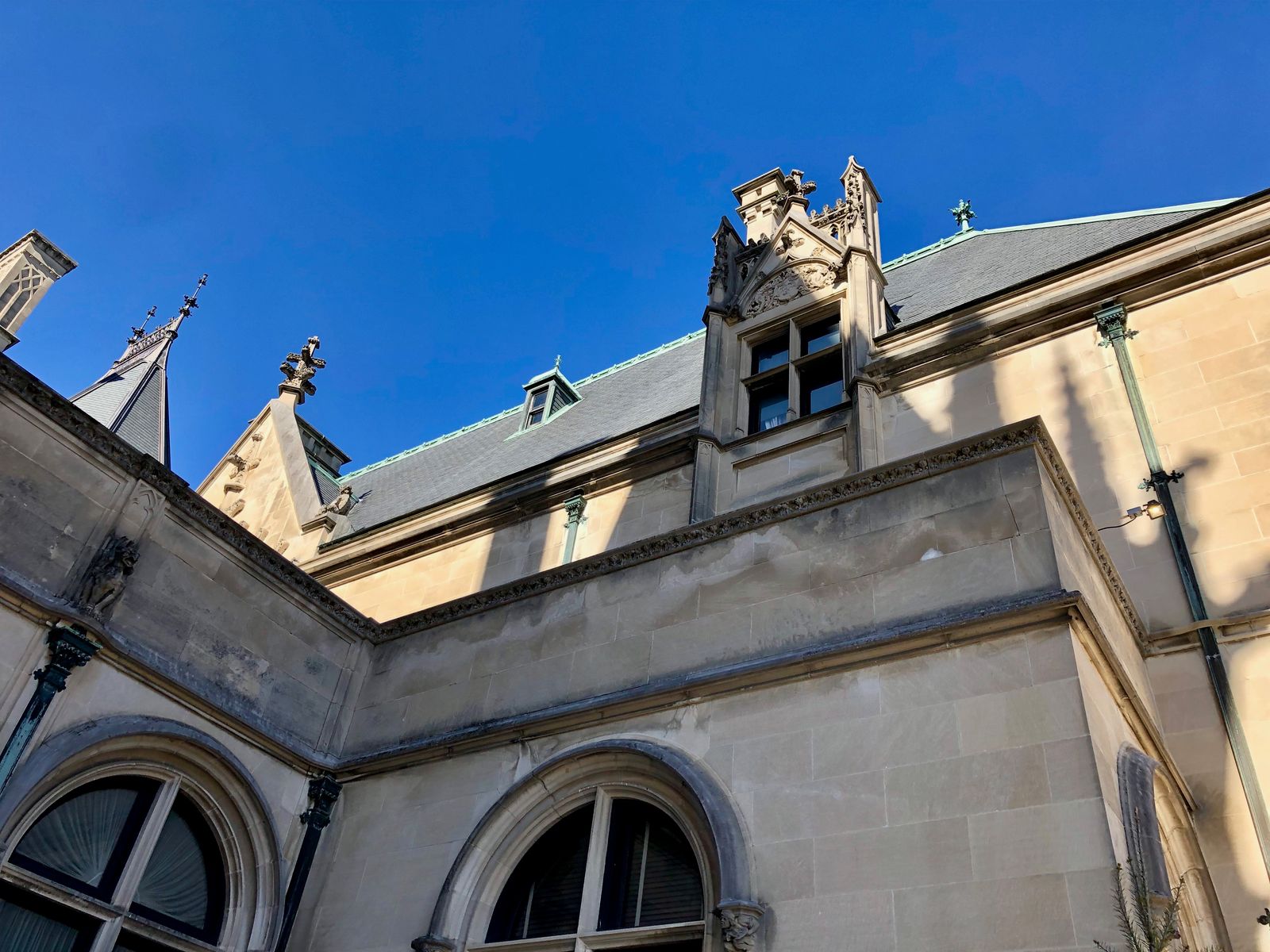
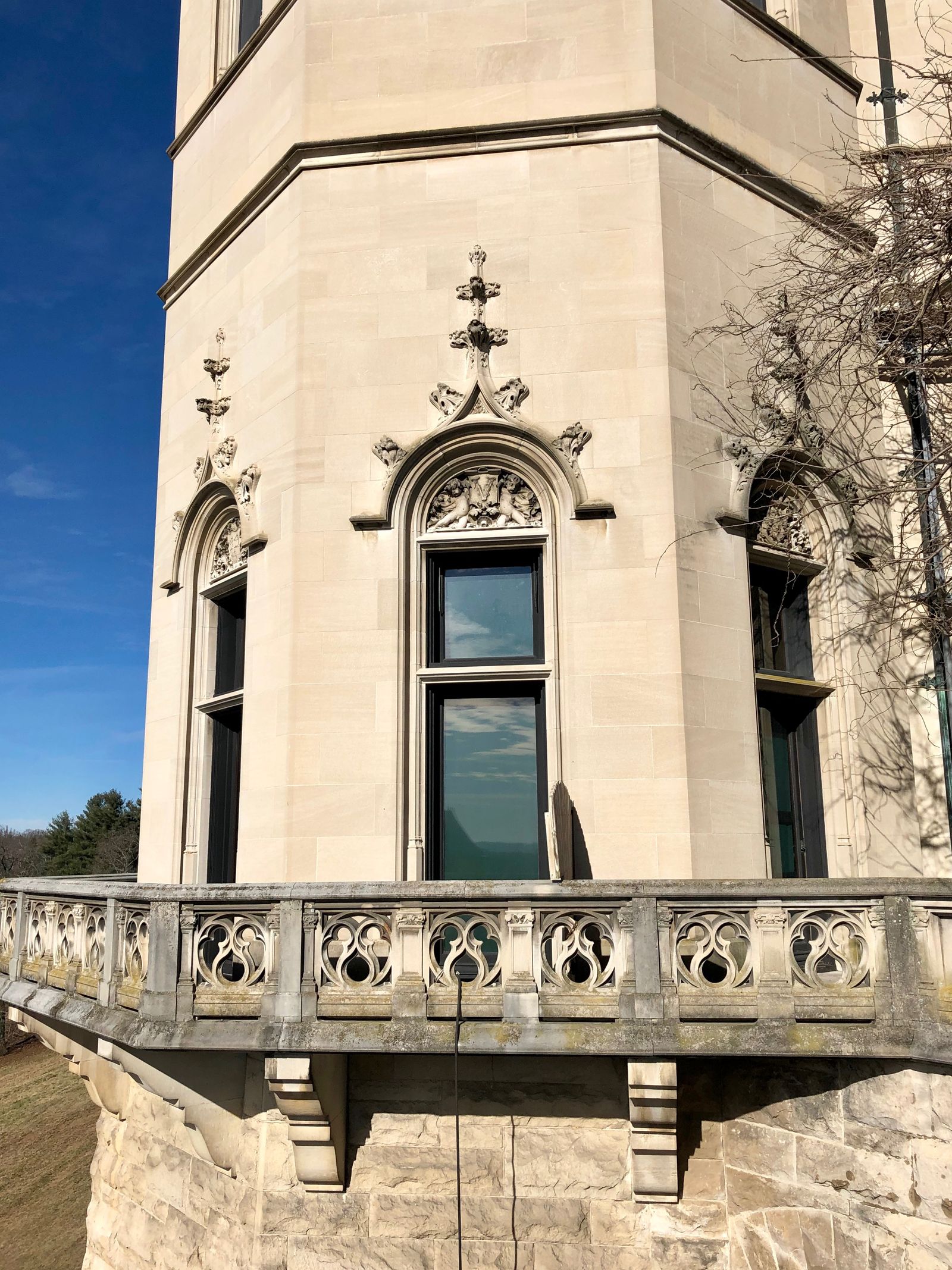
Construction ran from 1889 to 1895 and required an army of artisans; Vanderbilt even had a private railroad spur built to haul limestone, brick, and supplies to the site. Modeled on the Renaissance châteaux of France's Loire Valley, the house rose to 178,926 square feet — some four acres of floor space — with 250 rooms, including 35 bedrooms, 43 bathrooms, and 65 fireplaces. It was fitted with electric lighting, elevators, central heating, and refrigeration that were cutting-edge for the era. Vanderbilt opened Biltmore to family and friends on Christmas Eve, 1895.
Olmsted's grounds pioneered scientific forest management in America; the estate's forestry program, led by Gifford Pinchot and later Carl Schenck, gave rise to the Biltmore Forest School, and much of the original land became the nucleus of Pisgah National Forest after Vanderbilt's widow, Edith, sold roughly 87,000 acres to the federal government. The family opened Biltmore to the public in 1930, during the Depression, at the request of Asheville officials hoping to boost tourism. It remains privately owned by Vanderbilt's descendants and operates today as a self-supporting estate with gardens, a winery, and hotels.
Historic Images
Interesting Facts
- Biltmore House is the largest privately owned home in the United States, with 178,926 square feet of floor space — roughly four acres.
- Frederick Law Olmsted, who designed Biltmore's grounds, is considered the father of American landscape architecture and also co-designed New York's Central Park.
- The estate's forestry program is regarded as the birthplace of scientific forest management in America and helped seed the surrounding Pisgah National Forest.
- Biltmore has its own winery, opened in 1985 in the estate's former dairy barn, and is one of the most-visited wineries in the country.
- The house took six years to build, from 1889 to 1895, and Vanderbilt had a private railroad spur constructed to bring materials up to the site.
Visiting Today
- Hours
- Biltmore is open year-round, with the house and grounds open daily; hours vary by season and by attraction. Check the estate's official website for current times.
- Admission
- Biltmore is a privately run attraction with paid, timed admission tickets; prices vary by season, and buying online in advance is usually cheaper.
- Best time to visit
- Spring, when the gardens and azaleas bloom, and the winter holidays, when the house is decorated and candlelit, are the most popular times to visit.
- Nearby
- Downtown Asheville, the Blue Ridge Parkway, and Pisgah National Forest.
Plan for a full day: the house tour alone can take a couple of hours, and the gardens, winery, and Antler Hill Village are spread across the grounds. Timed house tickets sell out on peak weekends, so reserve ahead.
Frequently Asked Questions
Why is Biltmore Estate famous?
Biltmore is the largest privately owned house in the United States. Built by George Vanderbilt and completed in 1895, the 250-room château is a landmark of Gilded Age wealth and American architecture.
Who owns Biltmore Estate today?
Biltmore is still owned by descendants of George Washington Vanderbilt II through The Biltmore Company, which operates it as a self-supporting private estate open to the public.
How big is Biltmore House?
The house has 178,926 square feet of floor space — about four acres — with 250 rooms, including 35 bedrooms, 43 bathrooms, and 65 fireplaces.
Can you visit Biltmore Estate?
Yes. Biltmore is open to the public year-round with paid admission. Visitors can tour the house and gardens, the winery, and the grounds, which also include hotels and restaurants.