20th Century · New York
Apollo Theater
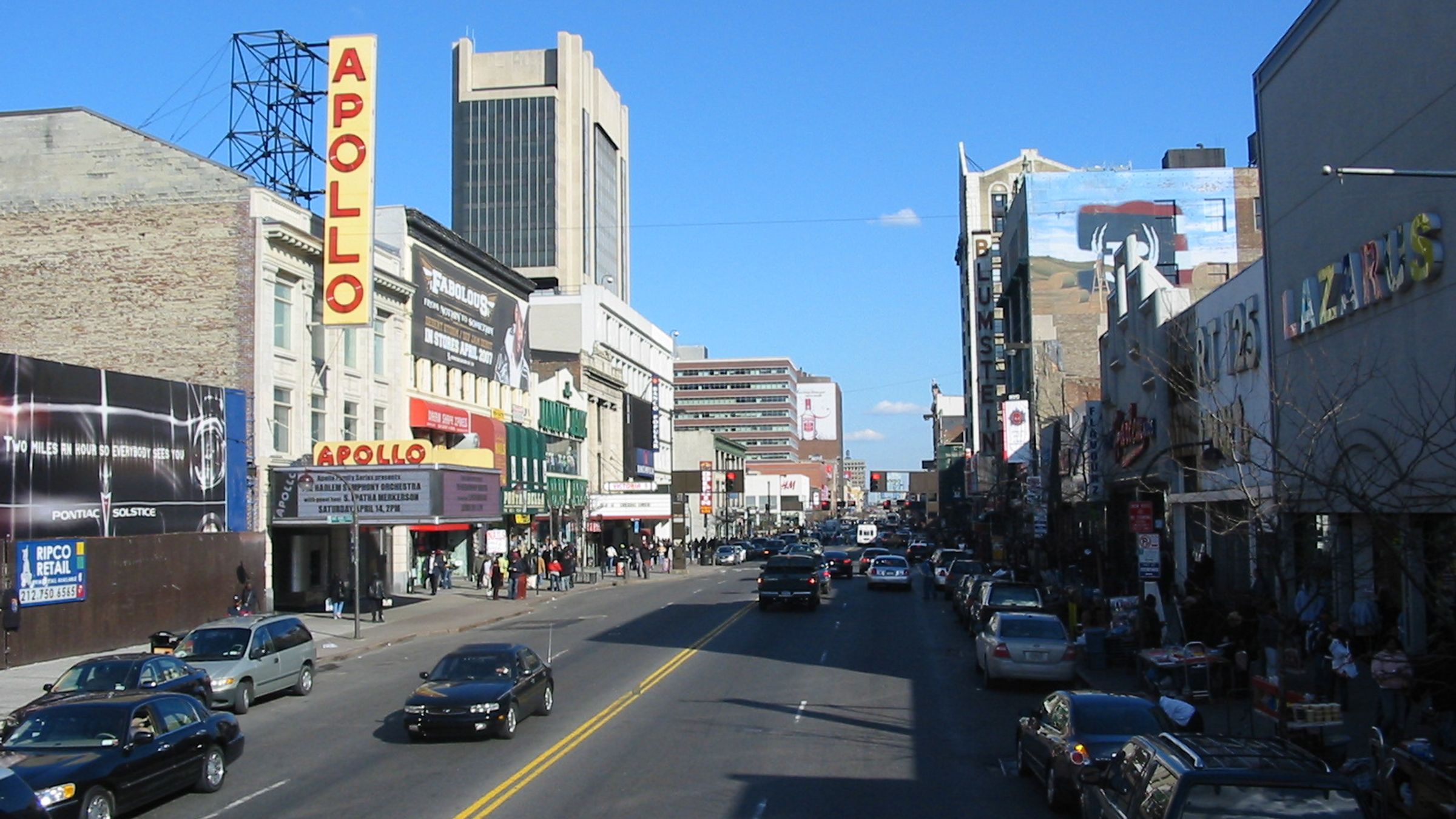
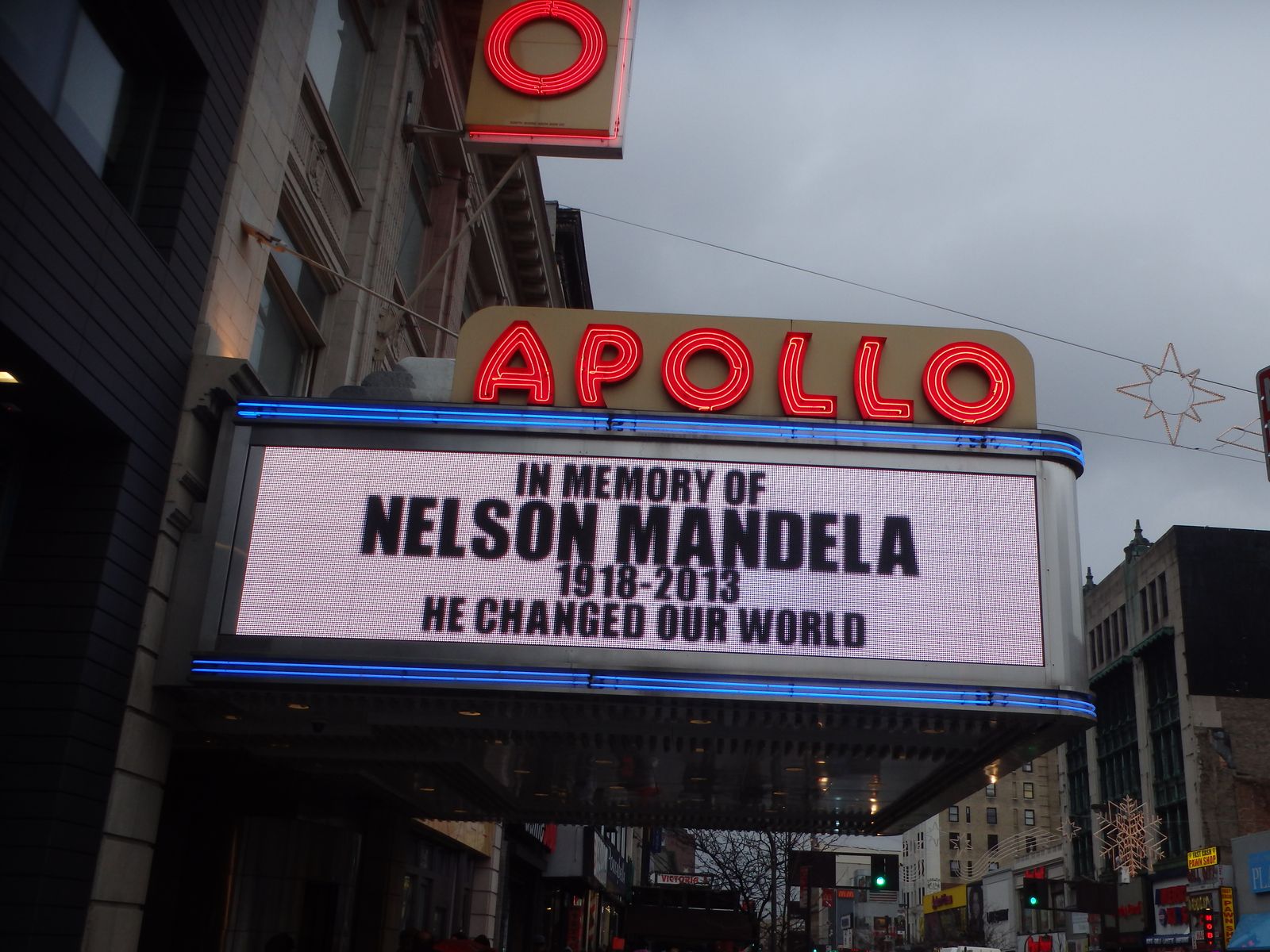
The Apollo Theater's marquee on 125th Street. — Rup11
Why Apollo Theater Matters
No stage did more to launch the careers that shaped 20th-century American popular music than the Apollo Theater in Harlem. From the moment it opened its doors to Black audiences and performers in 1934, the Apollo became ground zero for jazz, swing, bebop, R&B, soul, and hip-hop, its brutally honest amateur night audiences making or breaking careers on the spot. Ella Fitzgerald, James Brown, and countless others got their starts here, on a stage inseparable from the history of Black American culture.
By the Numbers
History
- Building opened
- 1914 (as a burlesque theater)
- Reopened to Black audiences
- 1934
Tradition
- Amateur Night
- Began 1934
People
- Notable Amateur Night winner
- Ella Fitzgerald, 1934
Music
- Genres launched
- Jazz, swing, R&B, soul, hip-hop
Architecture
- Style
- Neoclassical
Designation
- National Historic Landmark
- Designated 1983
Timeline
- 1914The building opens as a whites-only burlesque theater
- 1934The Apollo reopens to Black audiences and performers
- 1934Ella Fitzgerald wins Amateur Night and launches her career
- 1955James Brown performs at the Apollo early in his career
- 1983The Apollo is designated a National Historic Landmark
Complete History
The building opened in 1914 as Hurtig & Seamon's New Burlesque Theater, a whites-only venue during an era of strict segregation. As Harlem's Black population grew dramatically during the Great Migration, the burlesque theater closed under pressure from anti-burlesque campaigns, and new owners reopened it in 1934 as the Apollo Theatre, this time welcoming Black patrons and performers for the first time.
The Apollo's Wednesday Amateur Night, begun in 1934, became legendary for its notoriously tough crowds, who would boo unprepared performers off the stage entirely. Ella Fitzgerald won her amateur night in 1934 and launched a historic career; the tradition of discovering raw talent continued for decades, later giving early stages to performers including James Brown, Stevie Wonder, and Lauryn Hill.
Through the swing, bebop, R&B, soul, and hip-hop eras, the Apollo remained a vital stage for Black artists even as it weathered financial struggles and Harlem's economic downturns in the mid-to-late 20th century. It closed briefly in the 1970s before reopening under nonprofit ownership, and today the Apollo Theater Foundation operates it as both a working performance venue and a cultural landmark, designated a National Historic Landmark in the 1980s.
Historic Images

Interesting Facts
- The Apollo opened in 1914 as a whites-only burlesque theater before reopening to Black audiences and performers in 1934.
- Ella Fitzgerald won the Apollo's Amateur Night in 1934, a victory that launched her legendary career.
- The theater's notoriously tough Amateur Night crowds would boo unprepared performers off the stage entirely.
- James Brown, Stevie Wonder, and Lauryn Hill are among the countless artists who got early stages at the Apollo.
- The Apollo has been central to nearly every major era of Black American music, from swing and bebop to soul and hip-hop.
Visiting Today
- Hours
- Guided tours run on a set schedule outside of performances; check apollotheater.org for showtimes and tour availability.
- Admission
- Tours require a ticketed fee; performance tickets are priced individually.
- Best time to visit
- Wednesday nights for the ongoing Amateur Night tradition, when scheduled.
- Nearby
- 125th Street's shops and restaurants and the Studio Museum in Harlem are close by.
Catch a live Amateur Night if the schedule allows, or take a guided tour to see the Walk of Fame stars and hear the stories behind the stage.
Frequently Asked Questions
When did the Apollo Theater open to Black audiences?
The building opened in 1914 as a whites-only burlesque theater, then reopened in 1934 as the Apollo Theatre, welcoming Black patrons and performers for the first time.
What is Amateur Night at the Apollo?
Started in 1934, it's a weekly talent competition famous for its brutally honest audiences, who boo unprepared performers offstage. It has launched many major careers, including Ella Fitzgerald's.
Who are some famous performers discovered at the Apollo?
Ella Fitzgerald, James Brown, Stevie Wonder, and Lauryn Hill are among the many artists whose careers were launched or boosted by early Apollo performances.
Can you visit the Apollo Theater today?
Yes. The Apollo remains a working performance venue with a regular schedule of concerts and events, and also offers guided historical tours.