Antebellum · Tennessee
The Hermitage
Also known as Andrew Jackson's Hermitage
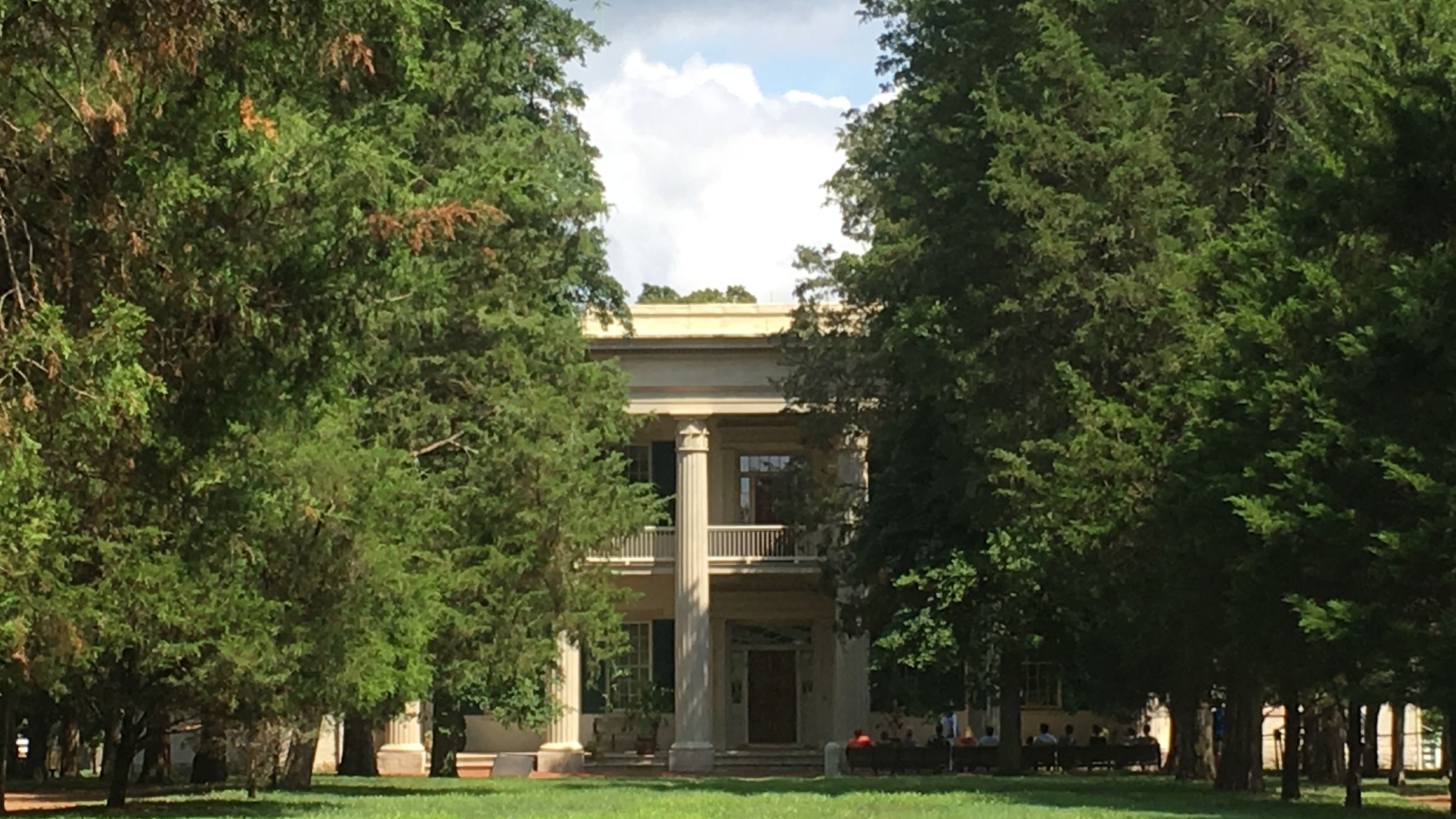
The Hermitage, Andrew Jackson's Greek Revival mansion. — National Park Service
Why The Hermitage Matters
The Hermitage was the home of Andrew Jackson, the seventh President of the United States and one of the most consequential and controversial figures in American history. From this Tennessee plantation Jackson rose to national fame as a general and president, and here he returned to live out his final years. A columned mansion set amid gardens where Jackson is buried, the estate was also a cotton plantation worked by enslaved people — a history the site now confronts alongside its presidential story.
By the Numbers
The Home
- Owner
- President Andrew Jackson
- Built
- 1819-1821; rebuilt 1836 after a fire
- Style
- Greek Revival
The Estate
- Plantation
- Cotton, worked by ~150 enslaved people
Burials
- In the garden
- Andrew and Rachel Jackson
Preservation
- Since
- 1889, by the Ladies' Hermitage Association
Today
- Operator
- Andrew Jackson Foundation
Timeline
- 1804Andrew Jackson acquires the Hermitage property near Nashville.
- 1819-1821Jackson builds the original brick mansion.
- 1828Jackson is elected president; his wife Rachel dies and is buried in the garden.
- 1834A fire damages the mansion, which is rebuilt by 1836.
- 1845Jackson dies at the Hermitage and is buried beside Rachel.
- 1889The Ladies' Hermitage Association begins preserving the estate.
Complete History
Andrew Jackson bought the Hermitage property outside Nashville in 1804 and, after years in a log farmhouse, built a brick mansion between 1819 and 1821. By then Jackson was a national hero for his victory at the Battle of New Orleans, and he would go on to win the presidency in 1828. The estate was a working cotton plantation, and its prosperity depended entirely on the labor of enslaved African Americans.
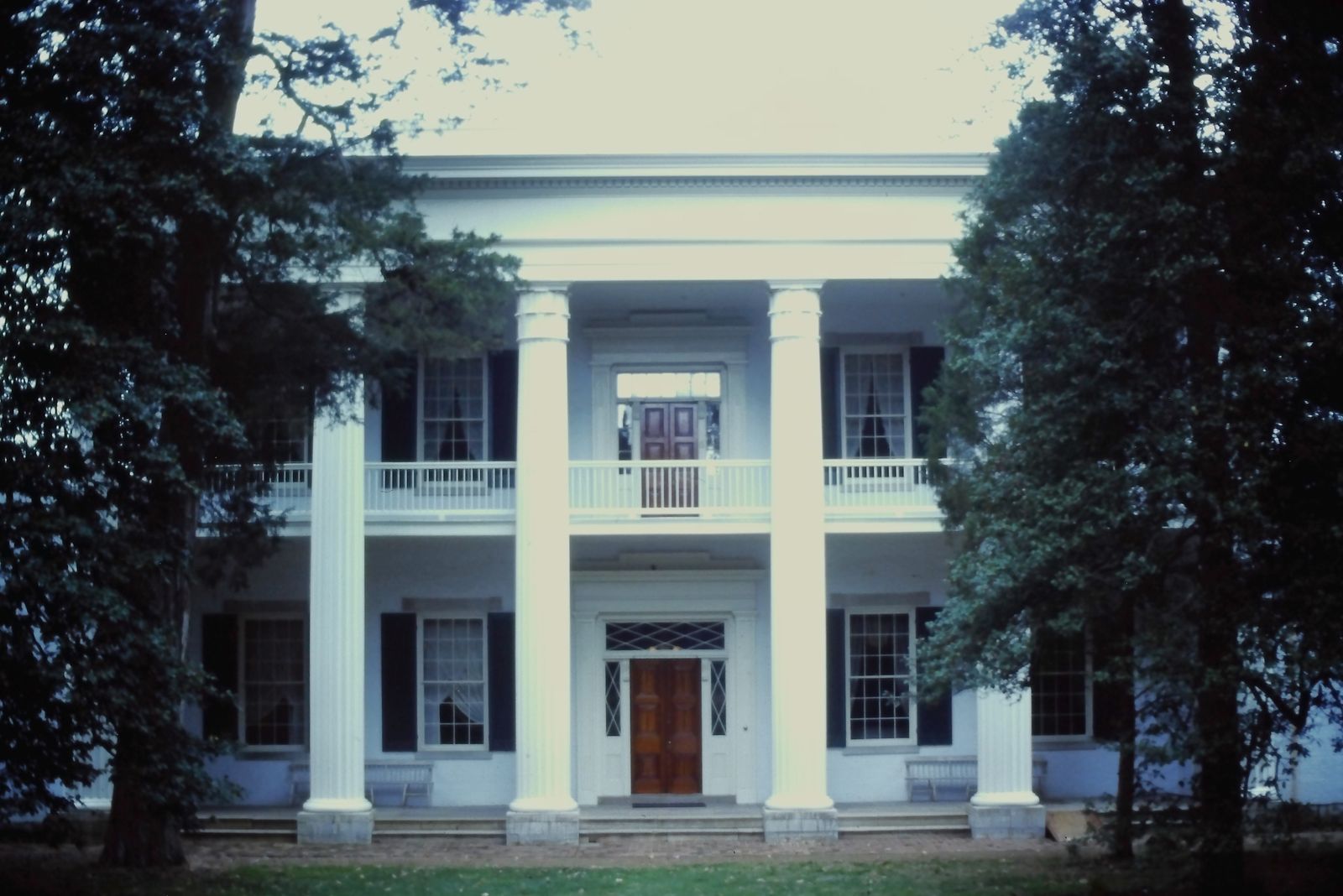
Jackson expanded and remodeled the house over the years; after a fire in 1834 it was rebuilt into the columned Greek Revival mansion seen today, completed in 1836 while Jackson was still president. When his beloved wife Rachel died in 1828, just before he took office, he buried her in the Hermitage garden and later joined her there himself.
Jackson retired to the Hermitage after leaving office in 1837 and lived there until his death in 1845. At the time roughly 150 enslaved people lived and worked on the estate. In 1889 the Ladies' Hermitage Association took over the property to preserve it — one of the earliest historic-preservation efforts in the country led by women — and today the site tells the full story of the plantation, including the lives of the enslaved.
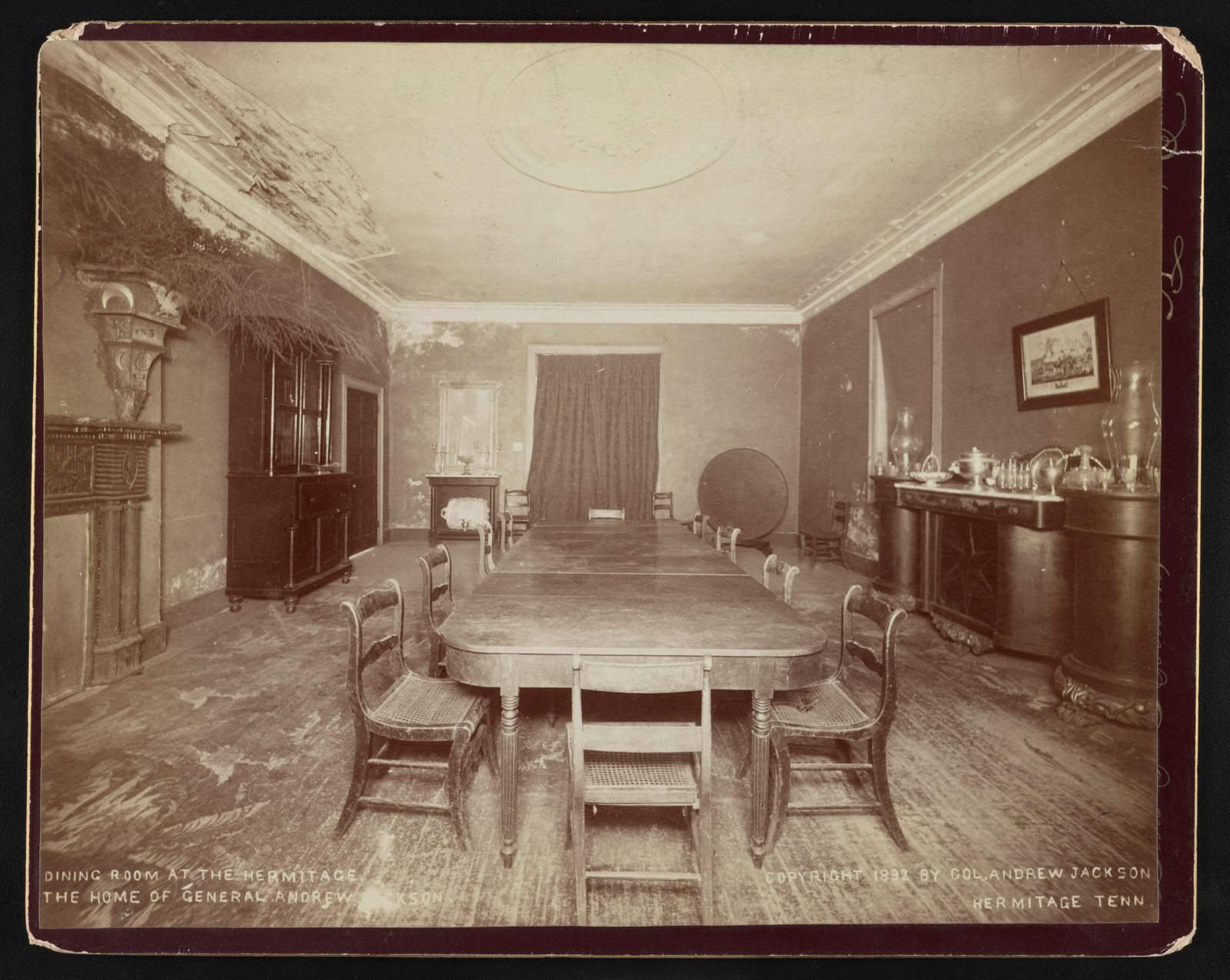
Historic Images
Interesting Facts
- The Hermitage was the home of Andrew Jackson, the seventh U.S. president, who lived there until his death in 1845.
- Jackson and his wife Rachel are both buried in a corner of the mansion's garden.
- The estate was a cotton plantation; at Jackson's death about 150 enslaved African Americans lived and worked there.
- The current Greek Revival mansion was rebuilt after an 1834 fire and completed in 1836, during Jackson's presidency.
- In 1889 the Ladies' Hermitage Association took over the estate, in one of America's earliest preservation efforts led by women.
Visiting Today
- Hours
- The Hermitage is open to visitors most days of the year, with hours that vary by season. Check the official website for the current schedule.
- Admission
- Admission is by paid ticket, with several tour options covering the mansion, grounds, and the stories of the enslaved community. Booking online is recommended.
- Best time to visit
- Spring and fall bring pleasant weather and blooming gardens; the estate is quieter on weekday mornings.
- Nearby
- Downtown Nashville, the Grand Ole Opry, and the music attractions of Music City.
Allow time for both the mansion tour and the grounds, including the garden where Jackson is buried and the exhibits on the enslaved people who worked the plantation. An audio tour helps cover the large site.
Frequently Asked Questions
Whose home was The Hermitage?
The Hermitage was the plantation home of Andrew Jackson, the seventh President of the United States. He lived there before and after his presidency and died there in 1845.
Is Andrew Jackson buried at The Hermitage?
Yes. Andrew Jackson is buried in the mansion's garden alongside his wife, Rachel, who died shortly before he became president.
Was The Hermitage a plantation?
Yes. It was a working cotton plantation dependent on enslaved labor; around 150 enslaved people lived and worked there at the time of Jackson's death. The site now interprets their lives as well as Jackson's.
Can you visit The Hermitage?
Yes. The Hermitage near Nashville is open to the public as a museum, with tours of the mansion, gardens, grounds, and exhibits on Jackson and the enslaved community.