20th Century · Texas
Space Center Houston
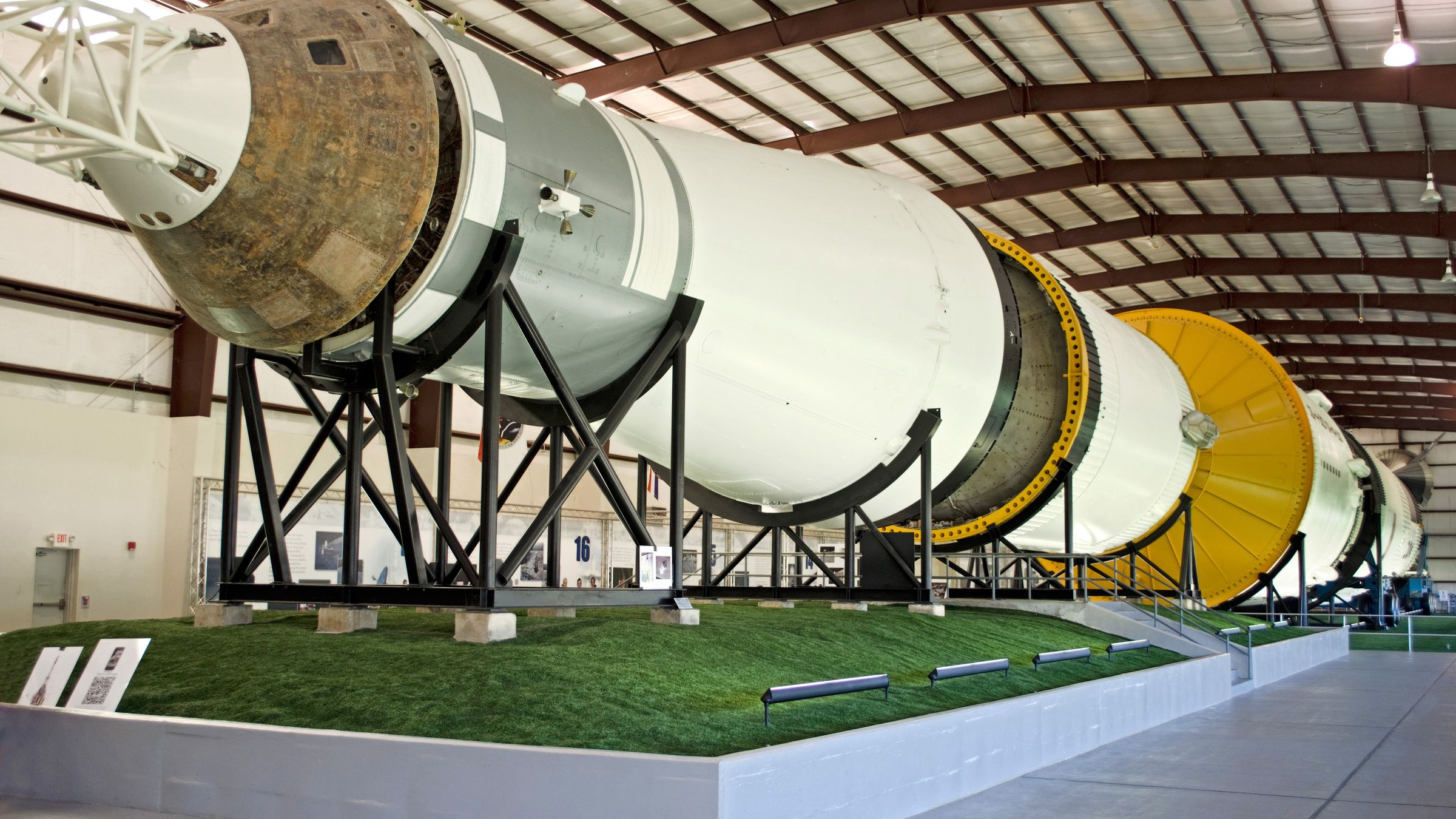
The Saturn V rocket on display. — Jim Evans
Why Space Center Houston Matters
The room where humanity's Moon landing was directed from Earth, preserved down to the ashtrays and coffee cups of 1969, sits at the heart of the visitor center that lets the public walk through NASA's human spaceflight program.
By the Numbers
Founding
- Opened
- 1992, as the visitor center for NASA's Johnson Space Center
History
- Johnson Space Center founded
- 1961, as the Manned Spacecraft Center; renamed 1973
- Historic Mission Control
- Directed Gemini, Apollo (including Apollo 11 and Apollo 13), and early shuttle missions
- Restoration
- Restored to its 1969 appearance, reopened for tours in 2019
Designation
- Designation
- Mission Control designated a National Historic Landmark in 1985
Exhibits
- Saturn V
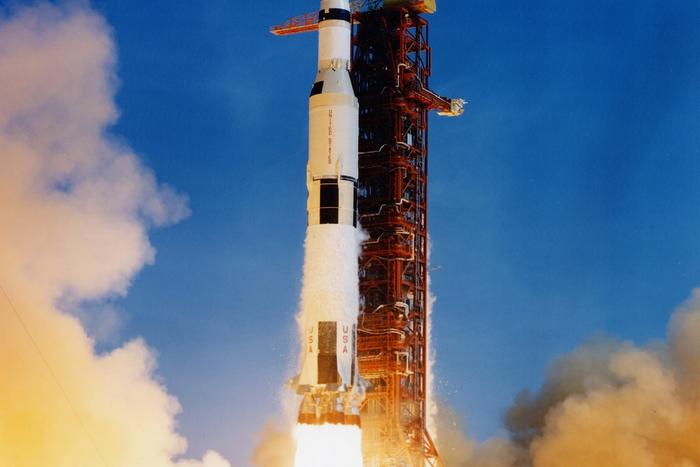
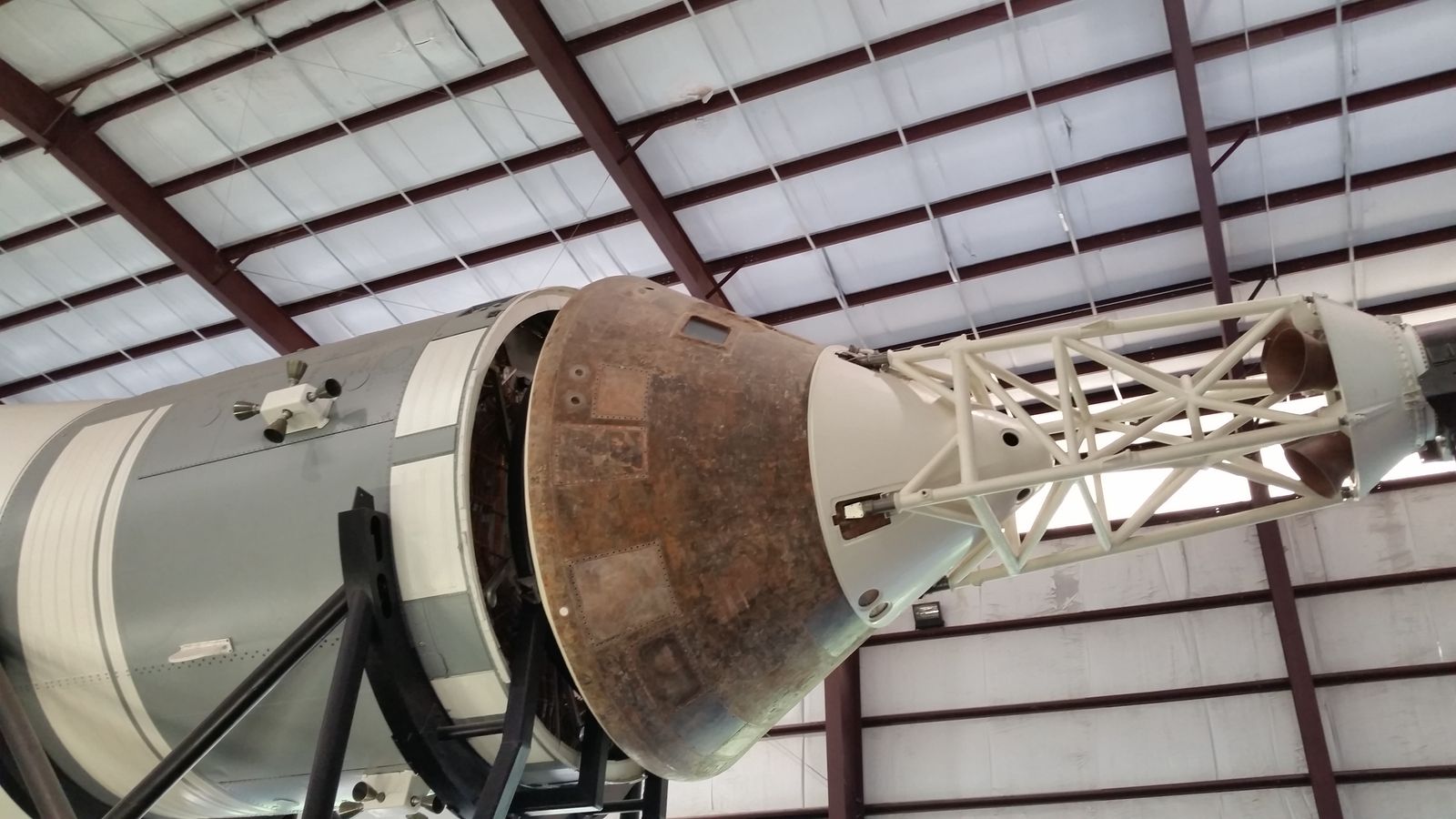
- Displays one of only three surviving Saturn V rockets
Role
- Function
- Astronaut training and mission operations hub; launches occur separately at Kennedy Space Center
Timeline
- 1961The Manned Spacecraft Center is established in Houston
- 1965Mission Control (Building 30) begins operating for Gemini missions
- 1969Mission Control directs the Apollo 11 Moon landing
- 1973Renamed the Lyndon B. Johnson Space Center
- 1985Historic Mission Control is designated a National Historic Landmark
- 1992Space Center Houston opens as the public visitor center
- 2019The restored Mission Control room reopens for public tours
Complete History
NASA established the Manned Spacecraft Center in Houston in 1961 to serve as the hub for astronaut training, mission planning, and flight control for the nation's growing human spaceflight program. Its Mission Control Center, known as Building 30, began directing missions in 1965 and went on to guide the Gemini and Apollo programs from the ground, including the tense final descent of Apollo 11 to the lunar surface in 1969 and the dramatic rescue of the crippled Apollo 13 mission in 1970.
In 1973, the center was renamed the Lyndon B. Johnson Space Center to honor the Texan president who had championed the space program throughout his career, and its historic Mission Control room was designated a National Historic Landmark in 1985. Space Center Houston opened in 1992 as the facility's dedicated public visitor center, giving ordinary visitors access to exhibits, astronaut training areas, and a tram tour of the working campus.
In 2019, after a painstaking restoration that returned the room to its exact 1969 appearance down to period furniture and consoles, the historic Mission Control room reopened for public tours. The center also displays one of only three surviving Saturn V rockets in the world, while actual spacecraft launches continue to take place hundreds of miles away at Kennedy Space Center in Florida.
Historic Images
Interesting Facts
- Historic Mission Control in Houston directed both the Apollo 11 Moon landing and the Apollo 13 rescue.
- The room was restored down to period details like ashtrays and coffee cups and reopened for public tours in 2019.
- Space Center Houston displays one of only three Saturn V rockets remaining in the world.
- Johnson Space Center was renamed in 1973 to honor President Lyndon B. Johnson, a longtime advocate for the space program.
- Actual rocket launches happen at Kennedy Space Center in Florida, not in Houston, which focuses on training and mission control.
Visiting Today
- Hours
- Daily; hours vary seasonally
- Admission
- Paid admission; separate tickets for the historic Mission Control tour
- Best time to visit
- Morning, to allow a full day for the tram tour and exhibits
- Nearby
- Johnson Space Center, Kemah Boardwalk, Houston Museum District
Book the historic Mission Control tour in advance — it sells out
Frequently Asked Questions
Is this where rockets actually launch from?
No. Space Center Houston is the visitor center for NASA's Johnson Space Center, which handles astronaut training and mission control; launches take place at Kennedy Space Center in Florida.
What happened in the historic Mission Control room?
It directed NASA's Gemini and Apollo missions, including the Apollo 11 Moon landing and the Apollo 13 rescue, and continued supporting early Space Shuttle flights.
Can visitors see the actual Mission Control room?
Yes. It was restored to its 1969 appearance and reopened to public tours in 2019, after being designated a National Historic Landmark in 1985.
Why is it called Johnson Space Center?
It was renamed in 1973 to honor President Lyndon B. Johnson, a Texan and longtime champion of the U.S. space program during his time in the Senate and White House.