Industrial · Illinois
Pullman National Historical Park
Pullman's historic row houses. — Jillmurtagh
Why Pullman National Historical Park Matters
George Pullman set out to build a workers' utopia on Chicago's South Side, a meticulously planned company town that would eliminate the vice and squalor of industrial slums. Instead, Pullman became the site of one of the most consequential labor conflicts in American history — a strike so disruptive it paralyzed national rail traffic, drew federal troops, and led directly to the creation of Labor Day as a national holiday. Few places capture both the idealism and the contradictions of Gilded Age industrial paternalism so completely.
By the Numbers
History
- Founded
- 1880 by George Pullman
Architecture
- Architect
- Solon Spencer Beman
Labor
- Pullman Strike
- May 1894
- Union founded
- Brotherhood of Sleeping Car Porters, 1925
Legacy
- National holiday
- Labor Day created 1894
People
- Union leader
- A. Philip Randolph
Designation
- National Historical Park
- Redesignated 2022
Timeline
- 1880George Pullman begins building the model town of Pullman
- 1894Wage cuts spark the Pullman Strike in May
- 1894Congress creates Labor Day as a national holiday
- 1898Illinois courts force Pullman to divest the town's non-industrial property
- 1925Sleeping car porters organize the Brotherhood of Sleeping Car Porters
- 2015Pullman is designated a National Monument
- 2022Pullman is redesignated a National Historical Park
Complete History
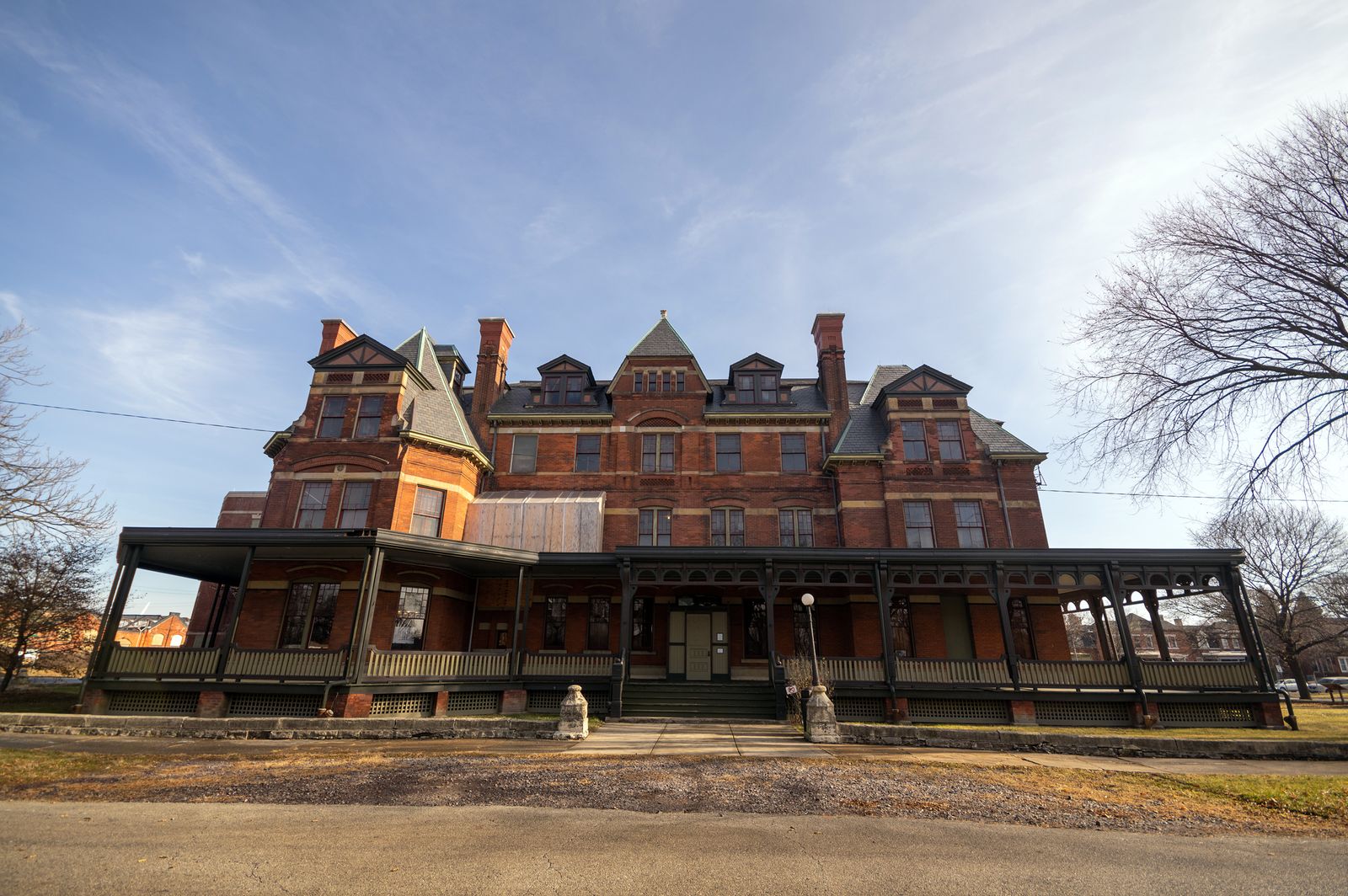
Railroad car magnate George Pullman built the town of Pullman beginning in 1880 to house workers at his Pullman Palace Car Company factory, hiring architect Solon Spencer Beman to design row houses, parks, a hotel, shops, and a church, all owned by the company and rented to employees. Pullman intended the model town to improve worker morale and productivity while turning a profit on the housing itself, an arrangement that gave the company sweeping control over employees' daily lives.
When the depression of 1893 hit, Pullman cut wages by roughly 25 percent while refusing to lower rents in company housing, leaving workers unable to make ends meet. Workers struck in May 1894, and the American Railway Union under Eugene V. Debs joined with a nationwide boycott of Pullman cars that halted rail traffic across much of the country. President Grover Cleveland sent federal troops to break the strike, resulting in violent clashes and dozens of deaths.
In the strike's aftermath, Congress rushed to create Labor Day as a national holiday just days after federal troops suppressed the unrest, an attempt to smooth relations with organized labor. A subsequent Illinois Supreme Court ruling forced Pullman to sell off the town's non-industrial holdings, ending the company-town experiment. The Pullman Company also employed many Black men as sleeping car porters, whose 1925 unionization as the Brotherhood of Sleeping Car Porters, led by A. Philip Randolph, became a landmark achievement in Black labor organizing. Congress designated Pullman a National Monument in 2015 and a National Historical Park in 2022.
Historic Images
Interesting Facts
- George Pullman built his company town to be a model of worker welfare, but tightly controlled residents' lives through company-owned housing.
- The 1894 Pullman Strike halted rail traffic nationwide and led President Cleveland to send in federal troops.
- Labor Day became a national holiday within days of the strike's suppression, an effort to placate organized labor.
- The Pullman Company's Black sleeping car porters organized the Brotherhood of Sleeping Car Porters in 1925 under A. Philip Randolph, a landmark in Black labor history.
- Pullman was redesignated a National Historical Park in 2022, following National Monument status granted in 2015.
Visiting Today
- Hours
- The historic district streets are accessible at all times; the visitor center keeps set hours — check the NPS site.
- Admission
- Free.
- Best time to visit
- Spring through fall for walking tours of the historic district.
- Nearby
- Chicago's South Side neighborhoods and the Major Taylor Trail are nearby.
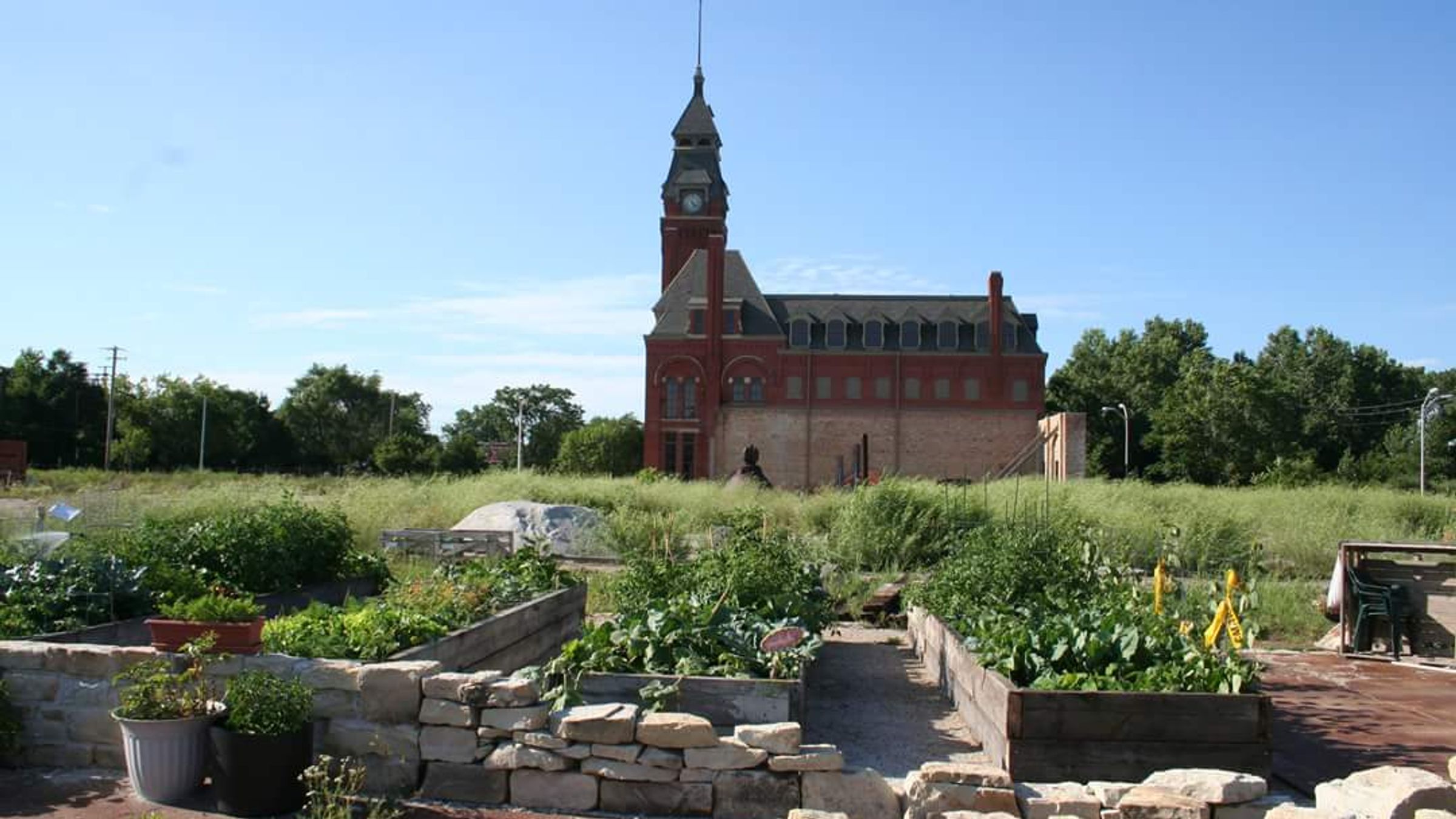
Start at the visitor center in the restored Clock Tower building, then walk the historic row-house streets that once housed Pullman's workers.
Frequently Asked Questions
What was the Pullman Strike?
In 1894, Pullman workers struck after wage cuts without corresponding rent reductions in company housing. A nationwide rail boycott in support of the strike led President Cleveland to send federal troops, resulting in violent unrest.
Why was the town of Pullman built?
George Pullman built it as a planned company town to house workers at his railroad car factory, intending it as a model community, though it gave the company extensive control over employees' lives.
How is Pullman connected to Labor Day?
Congress created Labor Day as a national holiday within days of federal troops suppressing the Pullman Strike in 1894, largely as a gesture to ease tensions with organized labor.
Can you visit Pullman today?
Yes. Pullman National Historical Park preserves the historic district's row houses, factory buildings, and a visitor center telling the story of the town and the 1894 strike.