Antebellum · Louisiana
Oak Alley Plantation
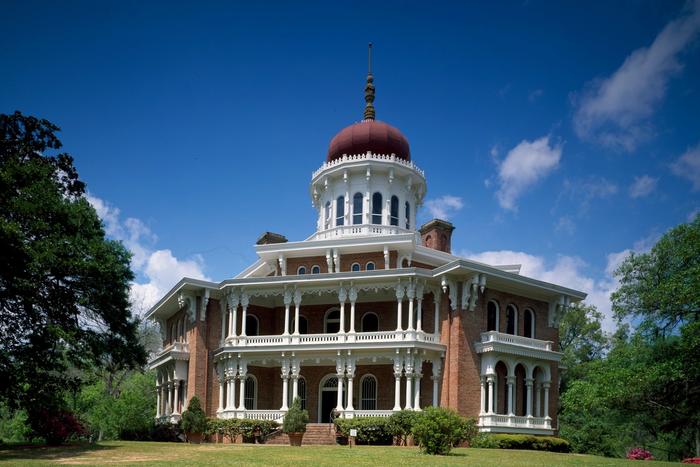
Oak Alley's mansion and oak canopy. — Mattmahan
Why Oak Alley Plantation Matters
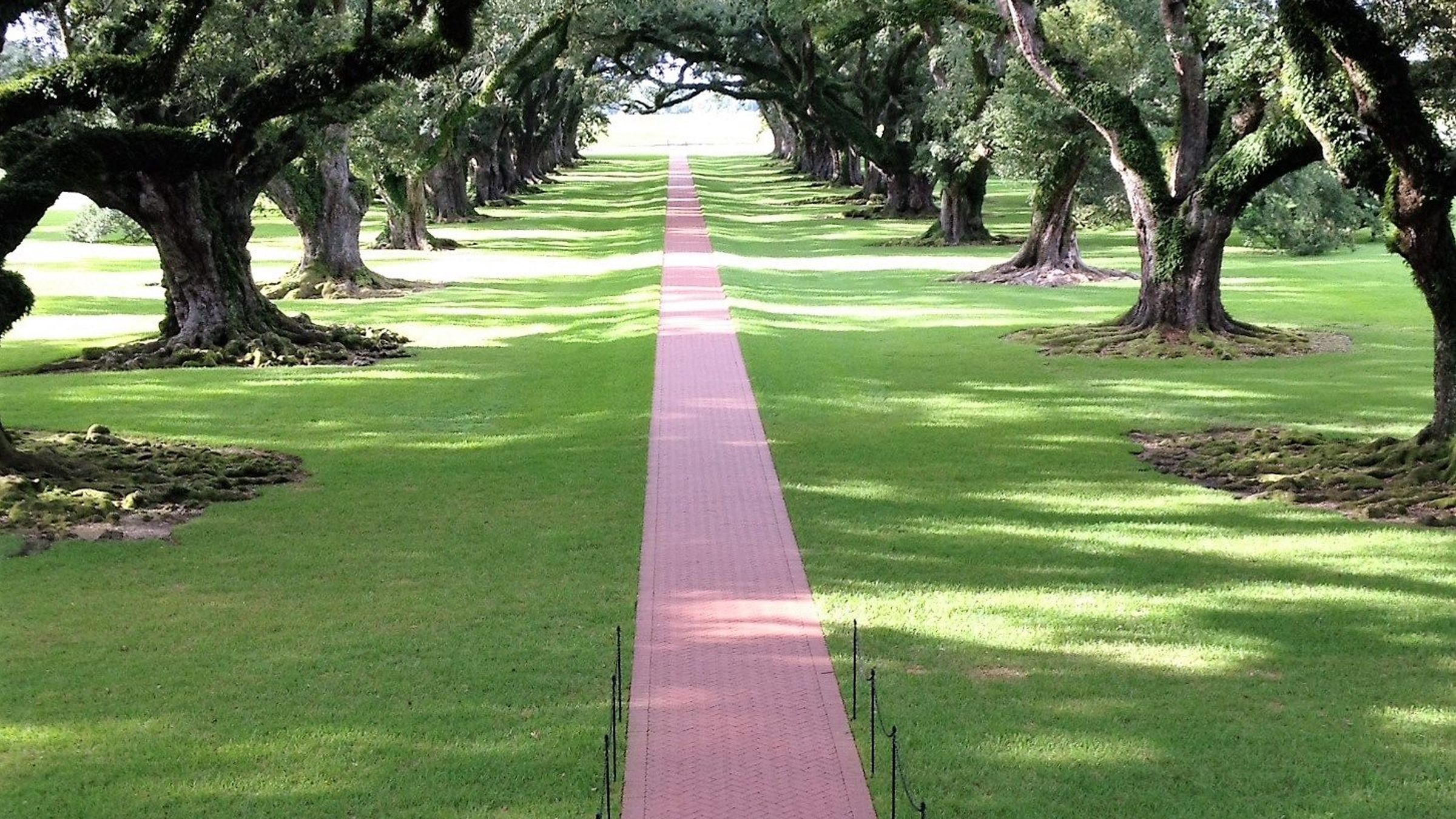
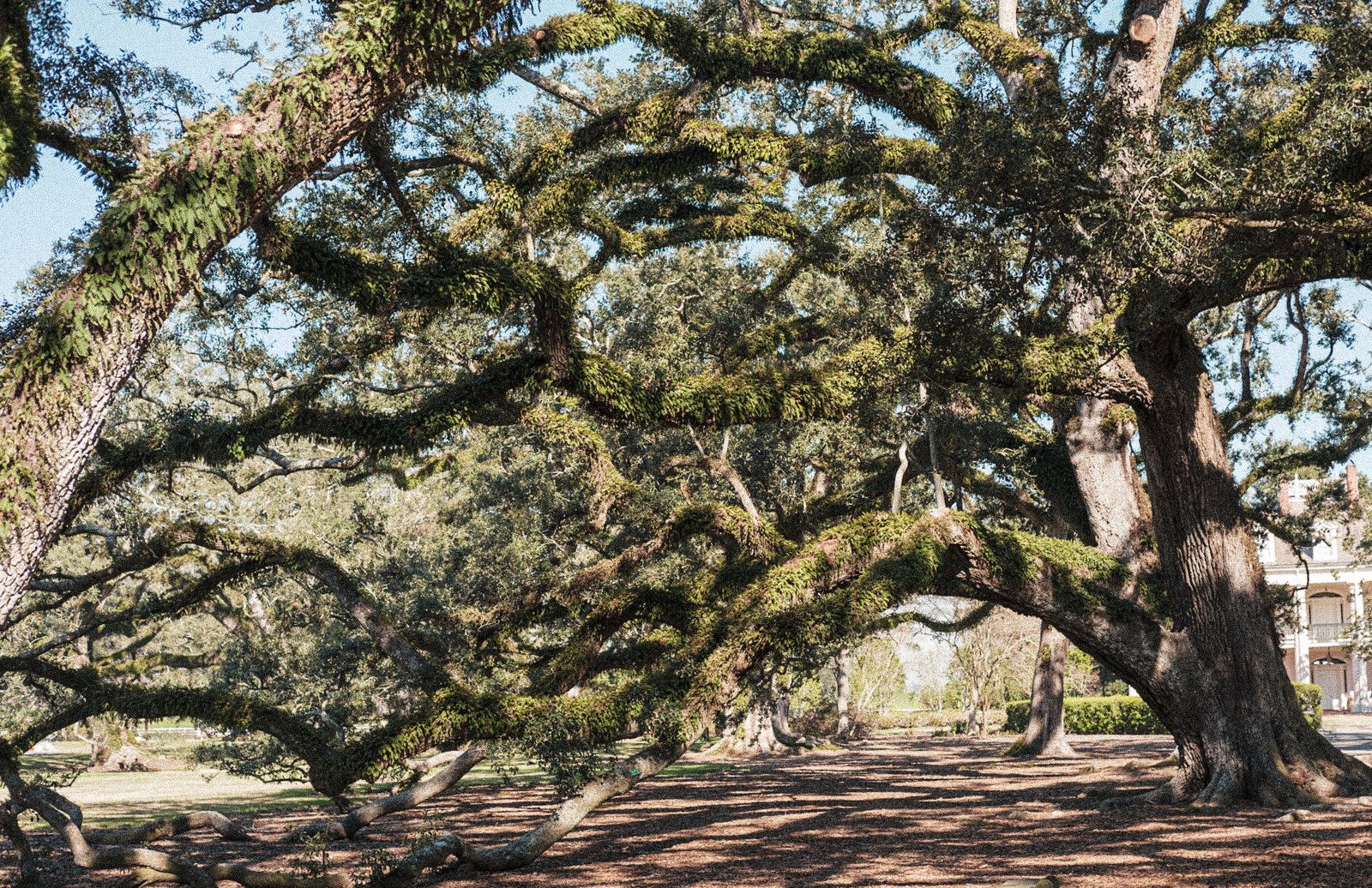
Best known for its cathedral-like canopy of 300-year-old oaks, Oak Alley has become a model for how a plantation museum can confront, rather than romanticize, the forced labor that built its wealth.
By the Numbers
Landscape
- Oak allee
- 28 live oaks planted in the early 1700s, roughly a century before the house
Architecture
- Mansion
- Greek Revival, built 1837-1839 for Jacques Telesphore Roman
History
- Original name
- 'Bon Sejour,' later renamed 'Oak Alley'
- Enslaved labor
- More than 100 enslaved people worked the plantation's sugar fields at its peak
Agriculture
- Crop
- Sugar cane, one of the most physically demanding and dangerous forms of forced labor in American slavery
Interpretation
- Slavery exhibit
- 'Slavery at Oak Alley' (2013) reconstructs slave quarters and names known enslaved residents
Designation
- National Historic Landmark
- Designated 1974
Timeline
- 1700sThe 28 live oaks are planted, long before the main house
- 1837Construction begins on the Greek Revival mansion for Jacques Telesphore Roman
- 1839The mansion is completed
- 1866The Roman family loses the plantation after financial collapse following the Civil War
- 1925Restoration of the house begins under new owners
- 1974Designated a National Historic Landmark
- 2013The 'Slavery at Oak Alley' exhibit opens, reconstructing slave quarters
Complete History
The 28 live oaks that give Oak Alley its name were planted in the early 1700s, roughly a century before any house stood at the end of their mile-long allee, likely by an earlier French colonial settler whose identity has been lost to history. When wealthy sugar planter Jacques Telesphore Roman built his Greek Revival mansion between 1837 and 1839, he sited it to align perfectly with the existing oak canopy, turning a century-old landscape feature into the plantation's defining image.
Roman originally named his estate 'Bon Sejour,' but the property became universally known as Oak Alley for its avenue of trees. The mansion's grandeur was built entirely on the forced labor of more than 100 enslaved people, who cleared land, built the house, and worked the plantation's sugar cane fields, widely considered among the most brutal and dangerous forms of agricultural labor practiced under American slavery.
The Roman family lost the plantation to financial collapse in the years following the Civil War, and the property changed hands and fell into disrepair before restoration began in 1925. Long marketed primarily around its architecture and oaks, Oak Alley added a researched exhibit in 2013, 'Slavery at Oak Alley,' that reconstructs slave quarters on their original foundations and documents the identities and lives of many of the enslaved people who lived and worked there, reframing the site's history around the people whose labor built it.
Historic Images
Interesting Facts
- The plantation's famous oak trees were planted roughly a century before the main house was even built.
- More than 100 enslaved people were forced to work the plantation's sugar cane fields at its peak.
- The house was originally named 'Bon Sejour' before becoming known as 'Oak Alley.'
- In 2013, the site opened a researched exhibit reconstructing its slave quarters and naming known enslaved residents.
- Sugar cane cultivation was considered among the most brutal and dangerous forms of forced labor in the antebellum South.
Visiting Today
- Hours
- Daily; hours vary seasonally
- Admission
- Paid admission (guided house tours included)
- Best time to visit
- Morning, for cooler temperatures and softer light through the oak canopy
- Nearby
- Whitney Plantation, Laura Plantation, New Orleans
Don't skip the 'Slavery at Oak Alley' exhibit — it's essential context for understanding the site's full history
Frequently Asked Questions
How old are the oak trees at Oak Alley?
The 28 live oaks lining the entrance were planted in the early 1700s, roughly a century before the plantation house was built in the late 1830s.
How does Oak Alley address its history of slavery?
Since 2013, the site has featured a researched exhibit, 'Slavery at Oak Alley,' that reconstructs slave quarters and documents the identities and lives of many of the more than 100 enslaved people who worked there.
Why was it originally called 'Bon Sejour'?
That was the plantation's original French name, meaning 'pleasant stay'; it became popularly known as 'Oak Alley' for its distinctive oak canopy and the name eventually stuck.
What crop was grown at Oak Alley?
Sugar cane, a highly profitable but exceptionally grueling and dangerous crop that relied entirely on the forced labor of enslaved people.