Ancestral Puebloan · Arizona
Navajo National Monument
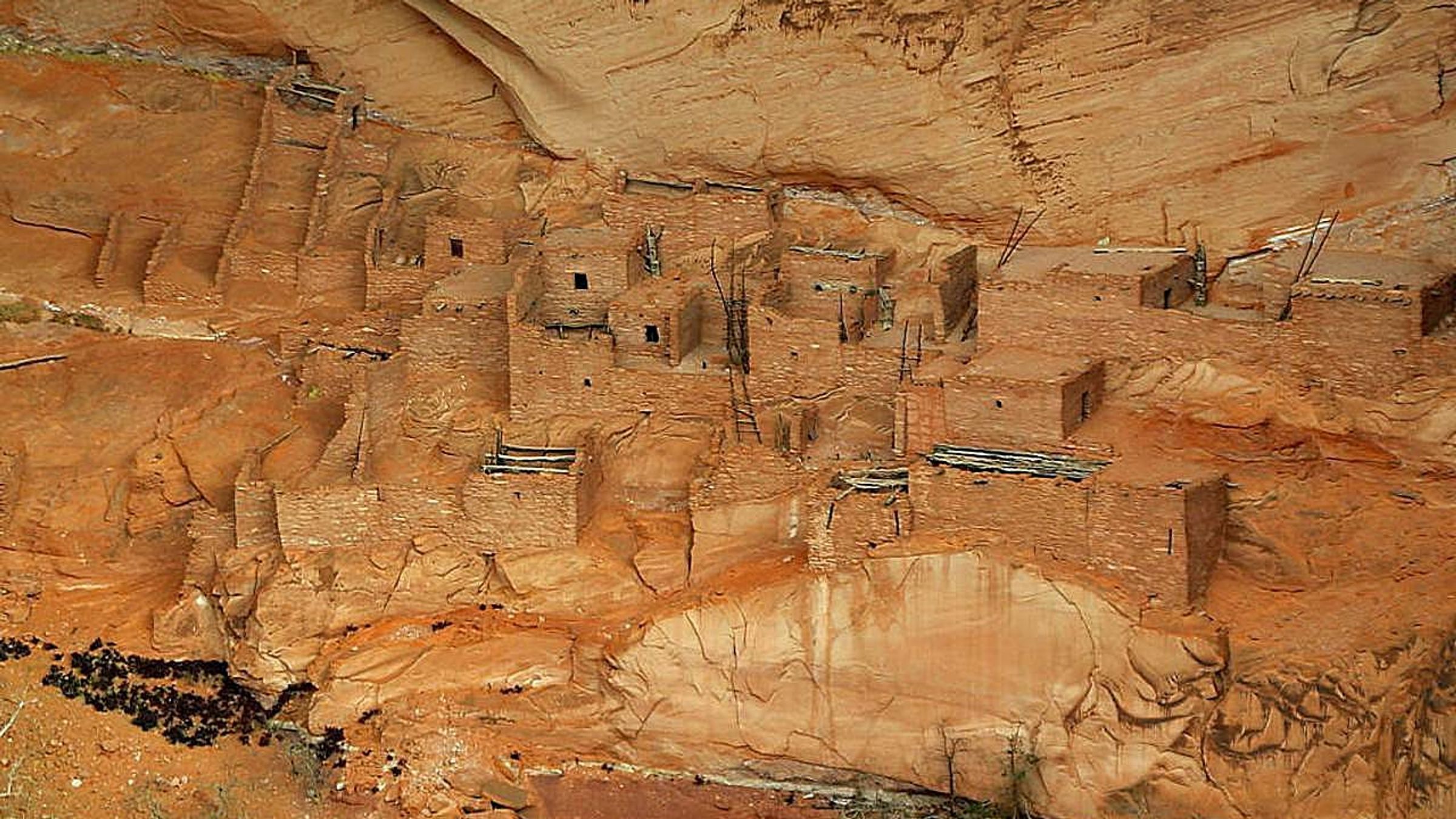
The Betatakin cliff dwelling. — Jon Sullivan
Why Navajo National Monument Matters
Three cliff dwellings tucked into remote sandstone canyons, abandoned around 1300 and left largely undisturbed for six centuries, preserving one of the most intact windows into ancestral Puebloan life in the American Southwest.
By the Numbers
Designation
- Designation
- Established 1909 by Theodore Roosevelt under the Antiquities Act
Site
- Dwellings preserved
- Betatakin, Keet Seel, and Inscription House
- Access
- Inscription House has been closed to visitors since 1968
History
- Betatakin
- Built c. 1267-1286, housed roughly 120 people at its peak
- Keet Seel
- More than 160 rooms, occupied roughly 1250-1300, one of the best-preserved cliff dwellings in the Southwest
- Abandonment
- Both major sites abandoned by around 1300, likely due to prolonged drought
Culture
- Setting
- Located entirely within the Navajo Nation
Timeline
- 1250Construction begins at Keet Seel
- 1267Construction begins at Betatakin
- 1300Both major dwellings are abandoned, likely due to drought
- 1909Navajo National Monument is established by Theodore Roosevelt
- 1968Inscription House is closed to the public due to structural damage
Complete History
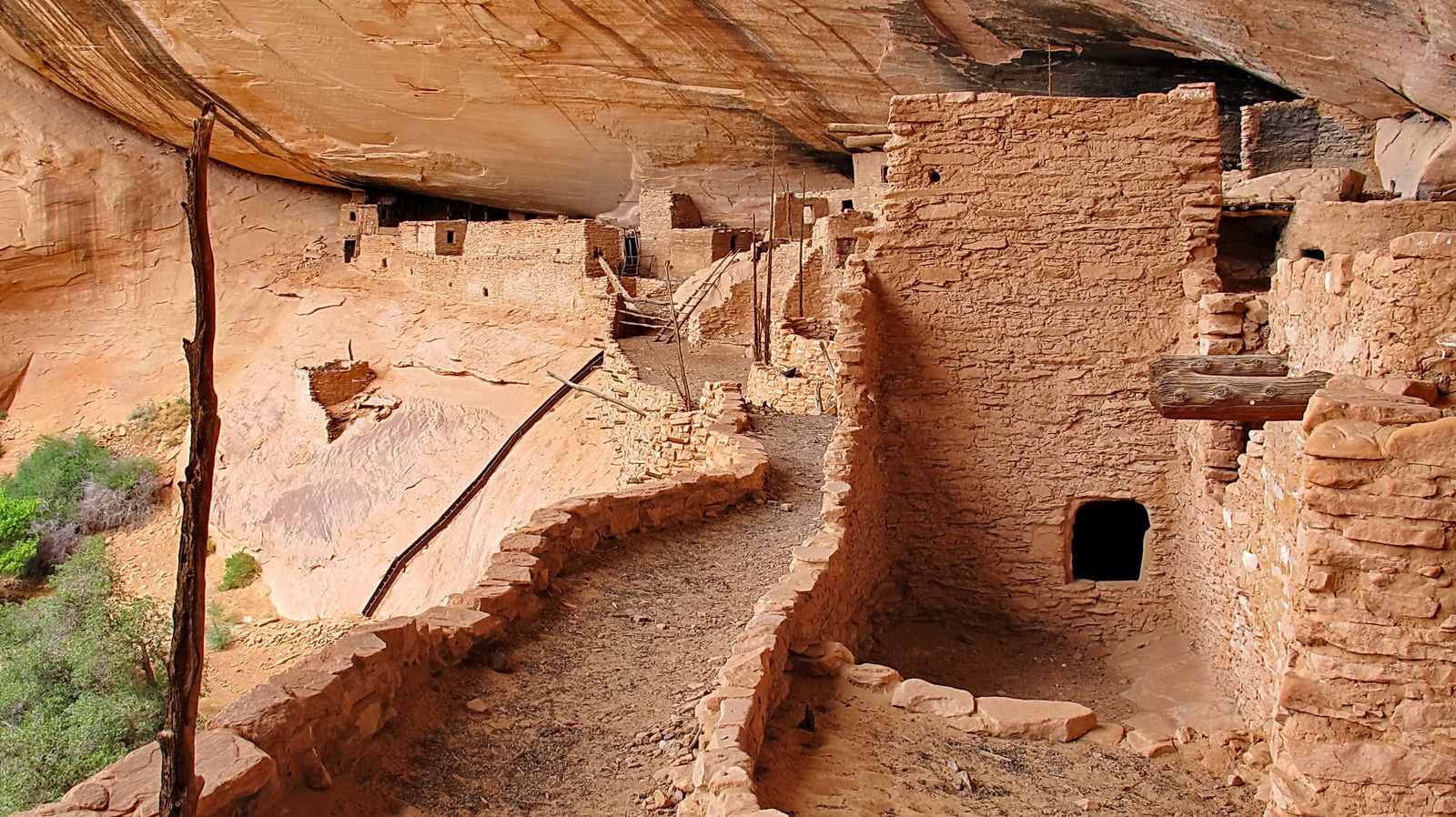
Beginning around 1250, ancestral Puebloan people, sometimes called the Kayenta Anasazi, built Keet Seel, a village of more than 160 rooms tucked into a sandstone alcove, followed by Betatakin, a smaller dwelling begun around 1267 whose Navajo name means 'ledge house.' At its peak, Betatakin housed roughly 120 people within a single massive natural alcove, its rooms stacked against the curved sandstone wall.
By around 1300, both major dwellings had been abandoned, likely the result of a prolonged regional drought combined with the resource depletion that came from decades of farming and wood-gathering in a fragile desert environment. The sites remained largely undisturbed afterward, protected in part by their remote canyon locations, until American archaeological expeditions documented them in the early 1900s.
President Theodore Roosevelt designated Navajo National Monument in 1909 under the Antiquities Act, protecting Betatakin, Keet Seel, and a third, smaller dwelling called Inscription House, which has been closed to visitors since 1968 due to structural concerns. The monument lies entirely within the Navajo Nation, and both Navajo (Diné) and Hopi peoples recognize the ancestral Puebloan builders as connected to their own histories in the region.
Historic Images
Interesting Facts
- Navajo National Monument preserves three ancestral Puebloan cliff dwellings, though only two are open to visitors.
- Keet Seel contains more than 160 rooms and is considered one of the best-preserved cliff dwellings in the Southwest.
- Betatakin housed roughly 120 people at its peak before being abandoned around 1300.
- Both major dwellings were likely abandoned due to a prolonged regional drought.
- The monument sits entirely within the Navajo Nation, and its Navajo-language names reflect that connection.
Visiting Today
- Hours
- Visitor center open daily, seasonal hours; dwellings accessible via ranger-led tours only
- Admission
- Free
- Best time to visit
- Spring or fall for the Keet Seel hike; check tour schedules in advance
- Nearby
- Monument Valley, Canyon de Chelly, Grand Canyon Village
Keet Seel requires an advance permit and an 8.5-mile round-trip hike; plan well ahead if you want to see it
Frequently Asked Questions
Why were the cliff dwellings abandoned?
Researchers believe a prolonged regional drought around 1300, combined with resource depletion from decades of farming and wood-gathering, made the sites unsustainable, prompting their ancestral Puebloan residents to migrate elsewhere.
Can visitors go inside the dwellings?
Betatakin is visible from an overlook and accessible via a ranger-led hike; Keet Seel requires a permit and a strenuous hike; Inscription House has been closed to the public since 1968.
What does 'Betatakin' mean?
It's a Navajo word meaning 'ledge house,' describing the dwelling's location tucked into a massive sandstone alcove.
Who built the cliff dwellings?
Ancestral Puebloan people, sometimes called the Kayenta Anasazi, who both the Navajo (Diné) and Hopi peoples recognize as connected to their own histories in the region.