Spanish Colonial · California
Mission San Juan Capistrano
Mission San Juan Capistrano, the 'Jewel of the Missions.' — Carol M. Highsmith
Why Mission San Juan Capistrano Matters
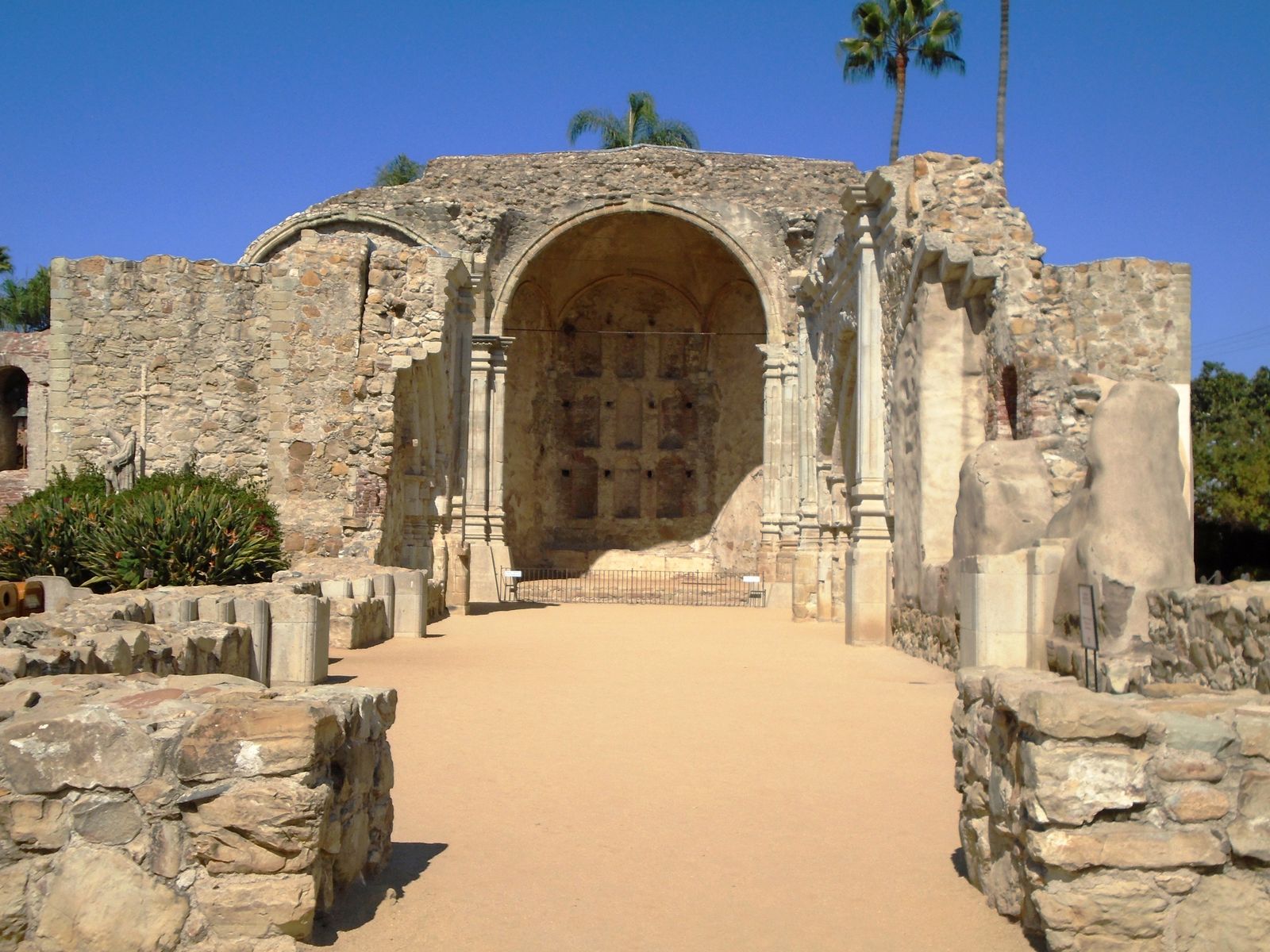
Called the 'Jewel of the Missions,' Mission San Juan Capistrano is the most complete surviving example of California's Spanish mission chain, founded the same year as American independence. Its Serra Chapel is the oldest building in California still in use, and the soaring ruin of its Great Stone Church, felled by an earthquake in 1812, stands as a haunting monument to the ambition and fragility of the mission system. The mission's legendary swallows, said to return each spring, have made it one of the most beloved historic sites in the state.
By the Numbers
History
- Founded
- November 1, 1776
- Founder
- Fr. Junipero Serra
- Great Stone Church
- Built 1797–1806, destroyed 1812
- 1812 earthquake
- ~40 worshippers killed
Architecture
- Serra Chapel
- Oldest standing building in California
Culture
- Nickname
- 'Jewel of the Missions'
- Famous for
- Migratory cliff swallows
Timeline
- 1776Fr. Junipero Serra founds the mission on November 1
- 1782The Serra Chapel is built, California's oldest standing building
- 1797Construction begins on the Great Stone Church
- 1806The Great Stone Church is completed
- 1812An earthquake destroys the Great Stone Church on December 8, killing ~40
- 1833Mexican secularization strips the mission of its lands
Complete History
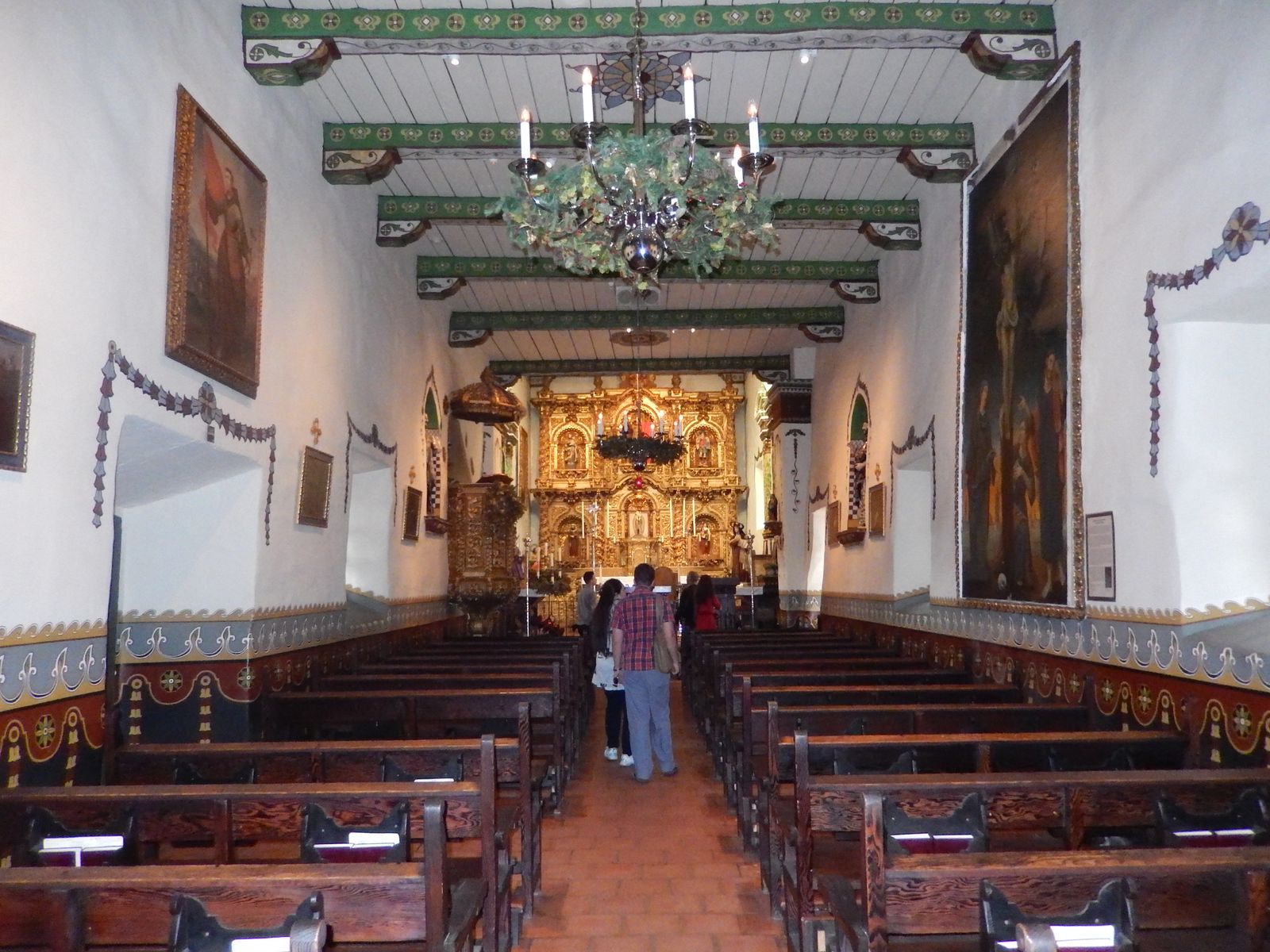
Franciscan friar Junipero Serra founded Mission San Juan Capistrano on November 1, 1776, the seventh of what would become 21 California missions, established to convert local Acjachemen people to Catholicism and extend Spanish colonial control. The mission grew into a self-sufficient community with orchards, vineyards, and workshops, and its adobe Serra Chapel, built around 1782, survives as the oldest standing building in California.
Construction of a grand stone church, designed to be the finest in California, began in 1797 under master mason Isidro Aguilar and finished in 1806. It stood only six years: a devastating earthquake on December 8, 1812, collapsed the church during Sunday Mass, killing at least 40 worshippers. The ruins were never rebuilt and remain today, their walls still bearing traces of original decoration.
Mexican secularization of the missions in 1833 stripped the mission of its lands, and it fell into disrepair until restoration efforts began in the early 20th century. The mission became famous nationally for the cliff swallows that migrate to nest in its ruins each spring, celebrated in the popular song 'When the Swallows Come Back to Capistrano.' Today it operates as a museum and an active Catholic parish, and is designated a National Historic Landmark.
Historic Images
Interesting Facts
- Mission San Juan Capistrano's Serra Chapel, built around 1782, is the oldest building in California still in use.
- The Great Stone Church, completed in 1806, collapsed in an earthquake during Mass in 1812, killing about 40 worshippers.
- The mission's ruins are famous for migratory cliff swallows, celebrated in the song 'When the Swallows Come Back to Capistrano.'
- It was the seventh of 21 Spanish missions established in California, founded the same year as the Declaration of Independence.
- Mexican secularization in 1833 stripped the mission of its lands, and it fell into ruin before 20th-century restoration.
Visiting Today
- Hours
- Open daily except major holidays; hours are typically 9am–5pm.
- Admission
- A ticketed admission fee applies; discounts for children, seniors, and residents.
- Best time to visit
- March around St. Joseph's Day for the traditional swallows' return festival, or any weekday morning to avoid crowds.
- Nearby
- Historic downtown San Juan Capistrano and its restored train depot are steps from the mission.
Visit the Serra Chapel first thing in the morning for quiet reflection, then walk the gardens to the Great Stone Church ruins before midday crowds arrive.
Frequently Asked Questions
Why is Mission San Juan Capistrano called the 'Jewel of the Missions'?
It earned the nickname for being one of the best-preserved and most architecturally significant of California's 21 Spanish missions, including its historic Serra Chapel and the ruins of its Great Stone Church.
What happened to the Great Stone Church?
Completed in 1806, it collapsed in a major earthquake on December 8, 1812, during Sunday Mass, killing about 40 worshippers. It was never rebuilt and remains a preserved ruin.
Why is the mission famous for swallows?
Cliff swallows historically migrated back to nest in the mission's ruins each spring around St. Joseph's Day, a phenomenon celebrated in popular song and an annual festival, though nesting patterns have shifted over time.
Can you visit Mission San Juan Capistrano?
Yes. It operates as a museum with self-guided tours through the gardens, Serra Chapel, and Great Stone Church ruins, and remains an active Catholic parish.