Spanish Colonial · California
Mission San Antonio de Padua
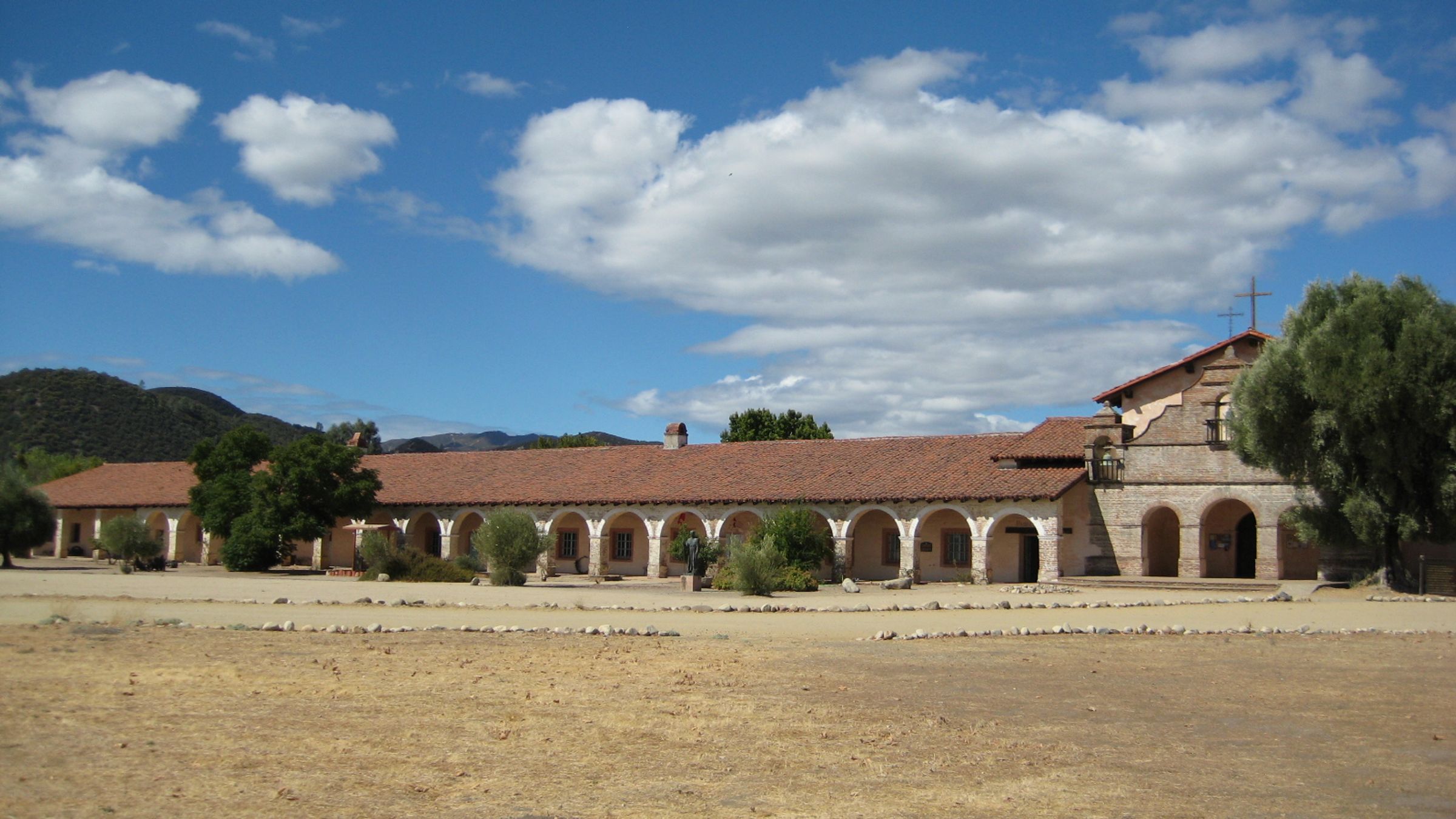
Mission San Antonio de Padua. — JLRahm
Why Mission San Antonio de Padua Matters
One of California's most isolated missions, preserved from development only because it now sits inside a U.S. Army base, Mission San Antonio de Padua also built one of the earliest water-powered mills and irrigation systems in the state.
By the Numbers
Founding
- Founded
- July 14, 1771, by Father Junipero Serra, the third California mission
- Named for
- St. Anthony of Padua
Engineering
- Innovation
- One of California's earliest water-powered grist mills and irrigation aqueducts
History
- Native community
- Salinan people were baptized and put to forced labor at the mission
- Secularization
- Fell into ruin after Mexico secularized the missions in 1834
- Restoration
- Major restoration funded by the Hearst family in the 1940s-50s
Site
- Setting
- Located within Fort Hunter Liggett, a U.S. Army installation
Timeline
- 1771Father Junipero Serra founds Mission San Antonio de Padua on July 14
- 1800sThe mission's grist mill and aqueduct system are built
- 1834Mexico secularizes the California missions, and the site falls into decline
- 1928The Franciscans regain possession and begin restoration efforts
- 1950The Hearst family funds major restoration work
Complete History
Father Junipero Serra founded Mission San Antonio de Padua on July 14, 1771, the third mission established in the chain that would eventually stretch the length of Spanish California, choosing a remote valley in what is now Monterey County and naming it for St. Anthony of Padua. Missionaries baptized and relocated Salinan Native Americans to the site, putting them to forced labor building and farming the mission under the coercive conditions typical of the mission system.
The mission developed an unusually sophisticated water-powered grist mill and an extensive irrigation aqueduct system, among the earliest of their kind in California, to support its agricultural operations. The Salinan population declined sharply over the following decades from introduced diseases and the harsh conditions of mission life, a pattern repeated across the California mission system.
Mexico's secularization of the California missions in 1834 stripped the site of its land and church authority, and the buildings fell into ruin for nearly a century. Franciscans regained possession in 1928 and began restoration, with major funding from the Hearst family completing much of the work in the 1940s and 1950s. Today the mission sits within Fort Hunter Liggett, a U.S. Army installation, whose presence has ironically kept the surrounding land free of the development that has grown up around most other California missions.
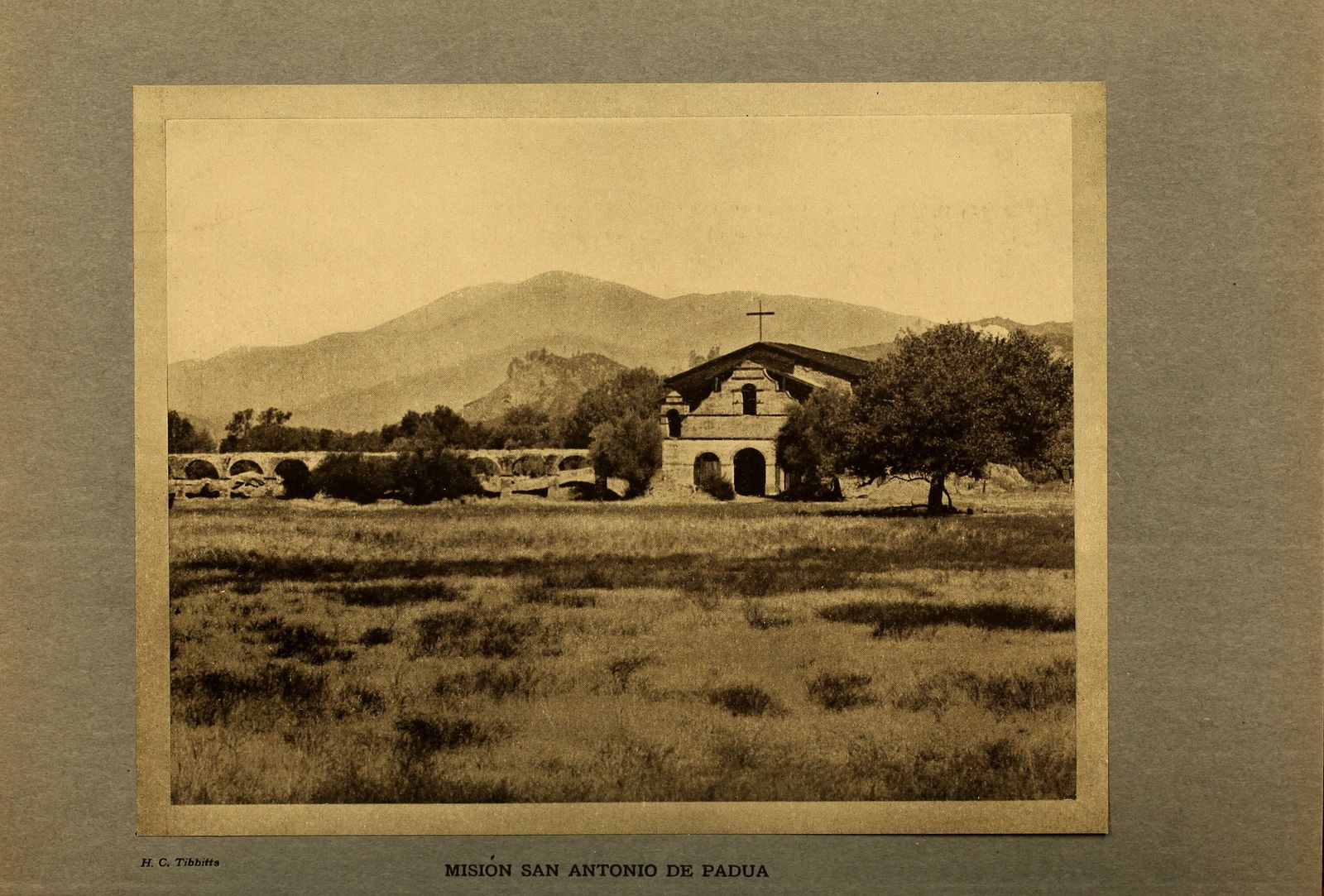
Historic Images
Interesting Facts
- Mission San Antonio de Padua was the third mission founded in the California chain, in 1771.
- It developed one of California's earliest water-powered grist mills and irrigation systems.
- The mission's Salinan Native American population was baptized and put to forced labor there, and declined sharply from disease.
- It fell into ruin after Mexico secularized the California missions in 1834.
- The mission's remote setting inside a U.S. Army base has kept it free of surrounding development.
Visiting Today
- Hours
- Limited hours; access requires coordination due to its location on a military base
- Admission
- Free, though visitors should check current military base access requirements
- Best time to visit
- Weekday mornings; call ahead to confirm access through Fort Hunter Liggett
- Nearby
- Fort Hunter Liggett, Mission San Miguel Arcangel, Pinnacles National Park
Because the mission sits on an active Army post, all visitors should verify current access rules before planning a trip
Frequently Asked Questions
Why is Mission San Antonio de Padua so isolated?
It sits within Fort Hunter Liggett, a U.S. Army installation, which has ironically preserved its rural surroundings by keeping the area free of the development that has grown up around most other California missions.
What happened to the Salinan people at the mission?
Salinan Native Americans were baptized and relocated to the mission, where they were put to forced labor under the mission system; their population declined sharply due to introduced diseases and harsh conditions.
Why did the mission fall into ruin?
Mexico secularized California's missions in 1834, stripping them of their land and church authority, after which many mission buildings, including this one, fell into decline for nearly a century.
Who restored the mission?
Franciscans regained possession in 1928 and began restoration, with major funding from the Hearst family in the 1940s and 1950s completing much of the work seen today.