World War II · California
Manzanar
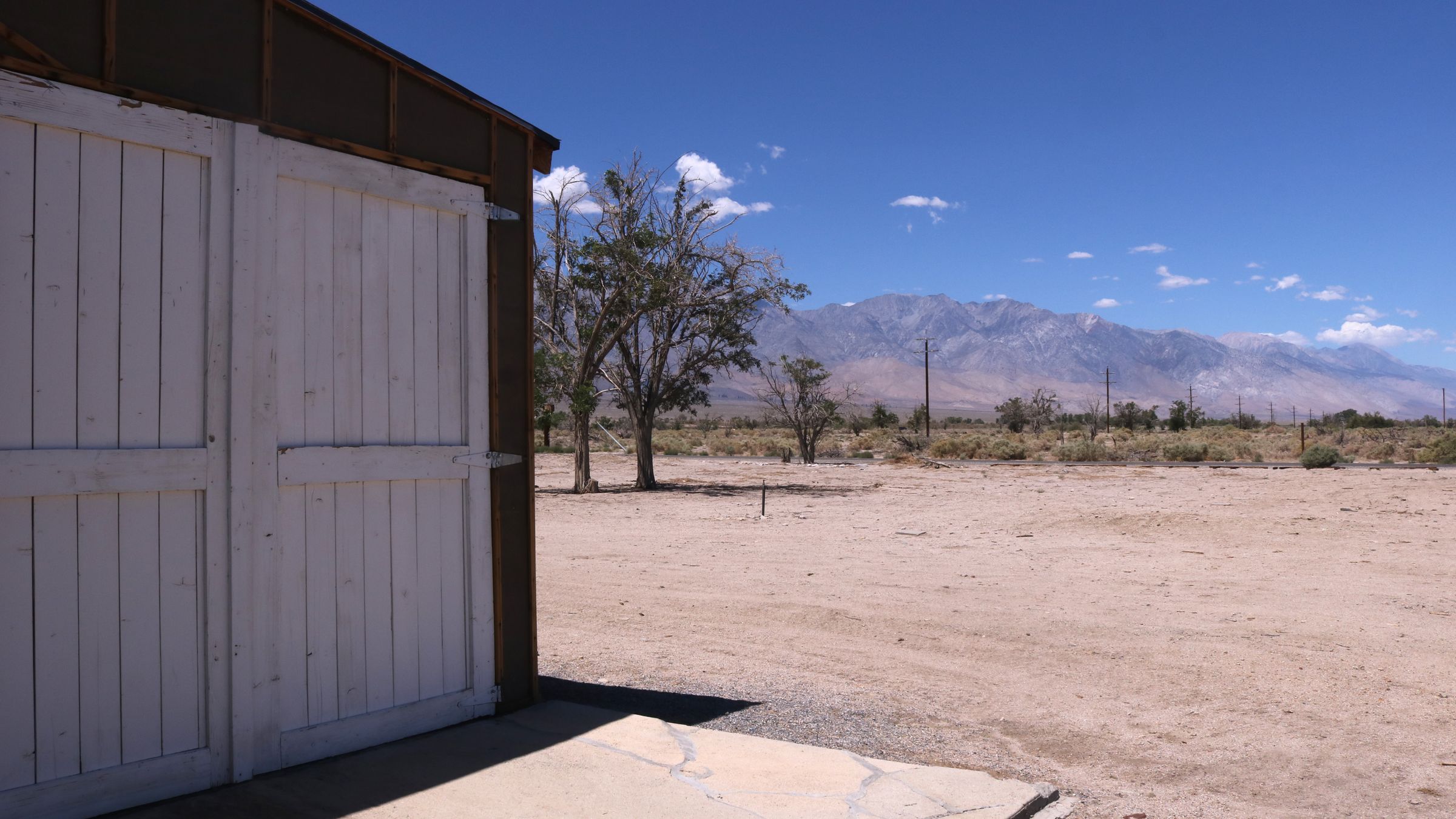
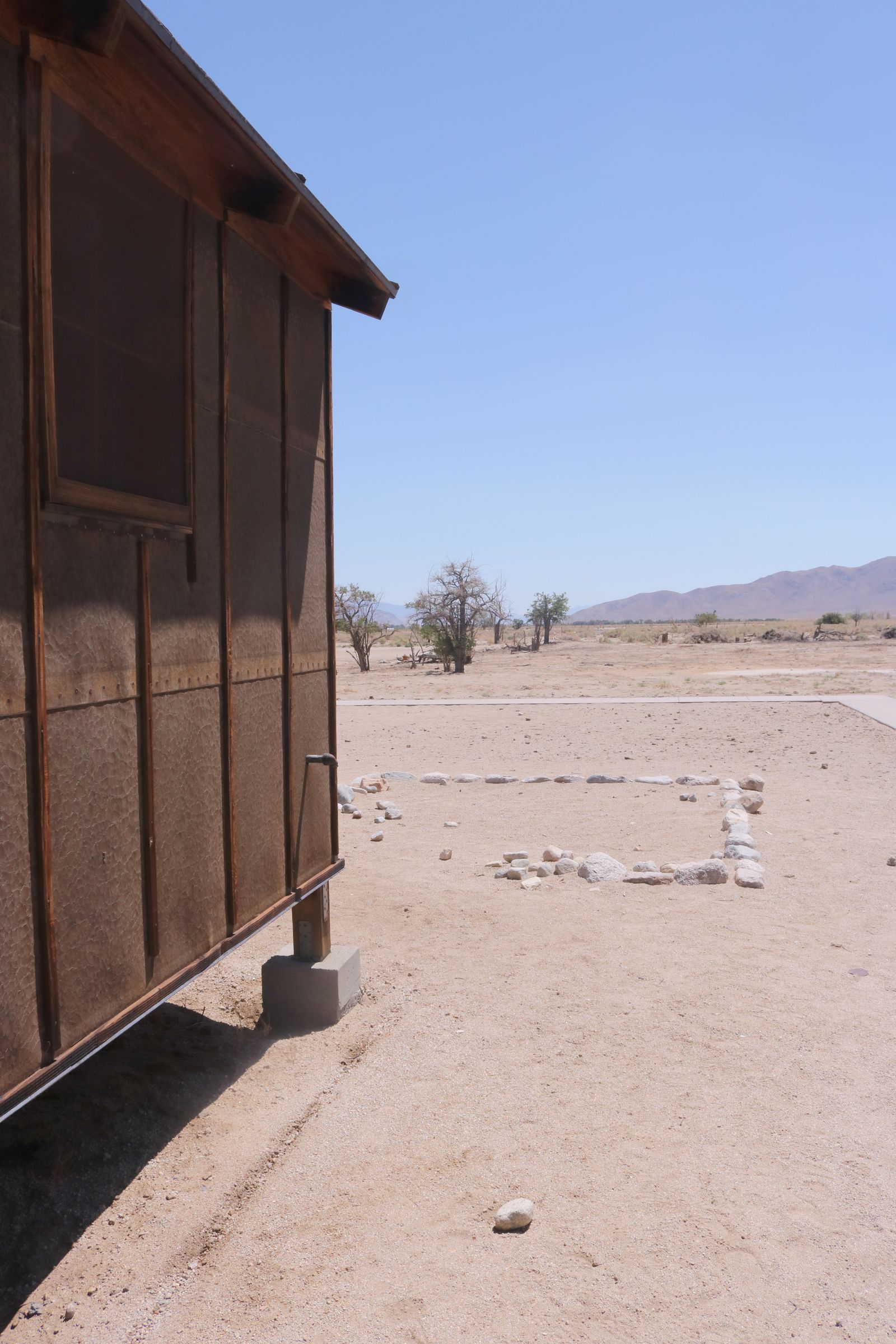
Reconstructed barracks at Manzanar. — claralieu
Why Manzanar Matters
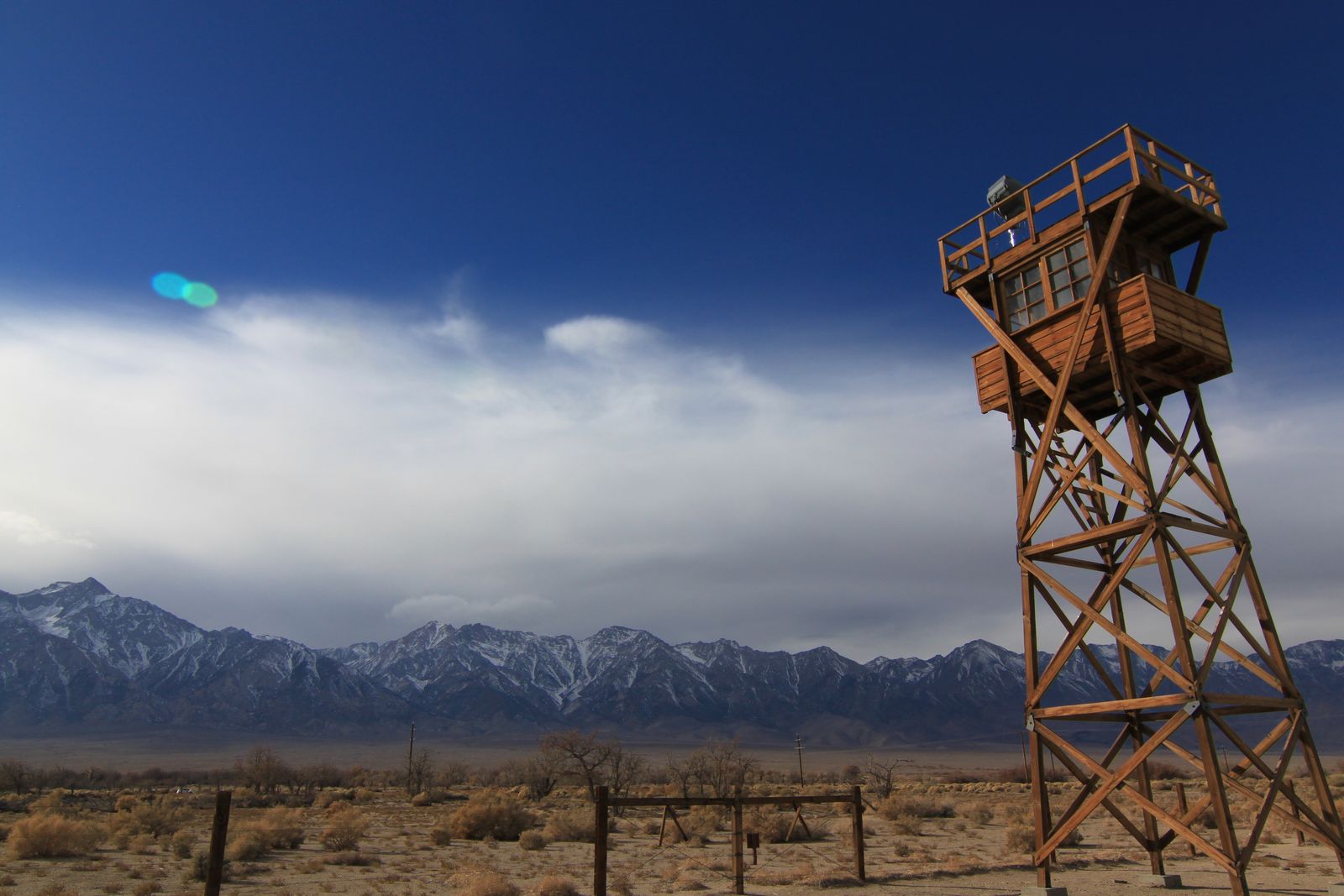
In the desert of California's Owens Valley, more than 10,000 Japanese Americans — the majority of them U.S. citizens — were imprisoned behind barbed wire and guard towers for no crime but their ancestry. Manzanar, the first and most infamous of ten War Relocation Authority camps, stands as a permanent reminder of what wartime fear and racial prejudice did to the Constitution's promises. It is preserved not to honor a triumph but to ensure the nation reckons honestly with one of its gravest violations of civil liberties.
By the Numbers
History
- Operated
- March 1942 – November 1945
- Population
- 10,000+ incarcerated (2/3 U.S. citizens)
- Authorization
- Executive Order 9066 (Feb. 19, 1942)
- Manzanar Riot
- December 6, 1942; 2 killed
Legacy
- Redress
- Civil Liberties Act of 1988
Designation
- National Historic Site
- March 3, 1992
Significance
- Camp order
- First of 10 WRA camps
Timeline
- 1942Executive Order 9066 is signed on February 19
- 1942Manzanar opens in March as the first WRA camp
- 1942Military police kill two protesters in the December Manzanar Riot
- 1945Manzanar closes in November after the war's end
- 1988The Civil Liberties Act grants a formal apology and reparations
- 1992Manzanar is designated a National Historic Site
Complete History
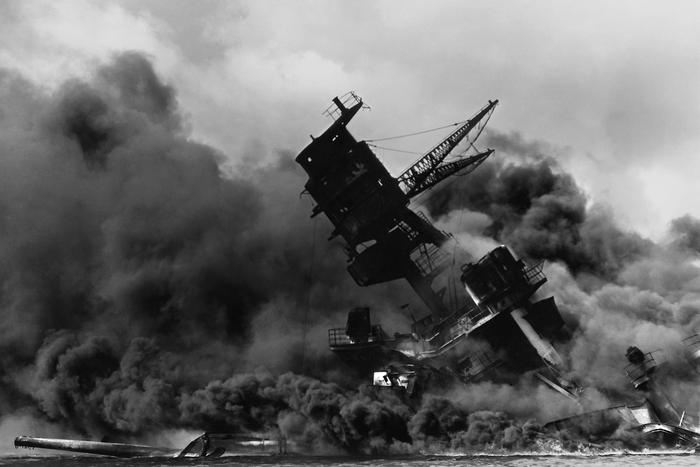
Two months after the attack on Pearl Harbor, President Franklin D. Roosevelt signed Executive Order 9066 on February 19, 1942, authorizing the forced removal of people of Japanese ancestry from the West Coast. Manzanar, a former town site in the Owens Valley, opened in March 1942 as the first of the camps, eventually confining over 10,000 people, two-thirds of them American citizens, in tar-paper barracks behind barbed wire.
Families endured cramped barracks, communal latrines, extreme desert temperatures, and armed guards in towers aimed inward at the incarcerated population. Despite these conditions, residents built schools, gardens, a newspaper, and community organizations, and young men from Manzanar and other camps volunteered for the highly decorated, segregated 442nd Regimental Combat Team. Tensions boiled over in the December 1942 Manzanar Riot, in which military police shot into a crowd of protesters, killing two.
Manzanar closed in November 1945 after the war's end. Decades of advocacy by former incarcerees and their descendants led to a formal government apology and reparations under the Civil Liberties Act of 1988, signed by President Reagan. Manzanar was designated a National Historic Site in 1992, and the National Park Service has since restored barracks, mess halls, and gardens, working closely with former incarcerees to interpret the site.
Historic Images
Interesting Facts
- Manzanar was the first of ten War Relocation Authority camps that incarcerated Japanese Americans during WWII.
- More than 10,000 people were held at Manzanar, roughly two-thirds of them U.S. citizens.
- Despite imprisonment, young Japanese American men from the camps volunteered for the highly decorated 442nd Regimental Combat Team.
- Military police killed two protesters during the December 1942 Manzanar Riot.
- The Civil Liberties Act of 1988 formally apologized and paid reparations to surviving incarcerees.
Visiting Today
- Hours
- The visitor center and auto tour road are open daily; hours vary seasonally — check the NPS site.
- Admission
- Free.
- Best time to visit
- Spring or fall to avoid the Owens Valley's summer heat and winter cold.
- Nearby
- The town of Lone Pine and the Eastern Sierra, including Mount Whitney, are just to the west.
Start at the visitor center in the former high school auditorium, then drive the auto tour loop past the reconstructed barracks, mess hall, and the cemetery monument.
Frequently Asked Questions
Why were Japanese Americans sent to Manzanar?
After Executive Order 9066 in February 1942, the government forcibly removed people of Japanese ancestry from the West Coast, incarcerating them at camps like Manzanar based solely on their ethnicity, not any crime.
How many people were held at Manzanar?
More than 10,000 Japanese Americans were incarcerated at Manzanar over its operation, roughly two-thirds of them U.S. citizens.
Did the government apologize for the incarceration?
Yes. The Civil Liberties Act of 1988, signed by President Reagan, formally apologized and provided reparations to surviving Japanese Americans who had been incarcerated.
What can you see at Manzanar today?
The National Park Service has restored barracks, a mess hall, and gardens, and the visitor center in the former high school auditorium presents the camp's history in depth.