20th Century · New York
Grand Central Terminal
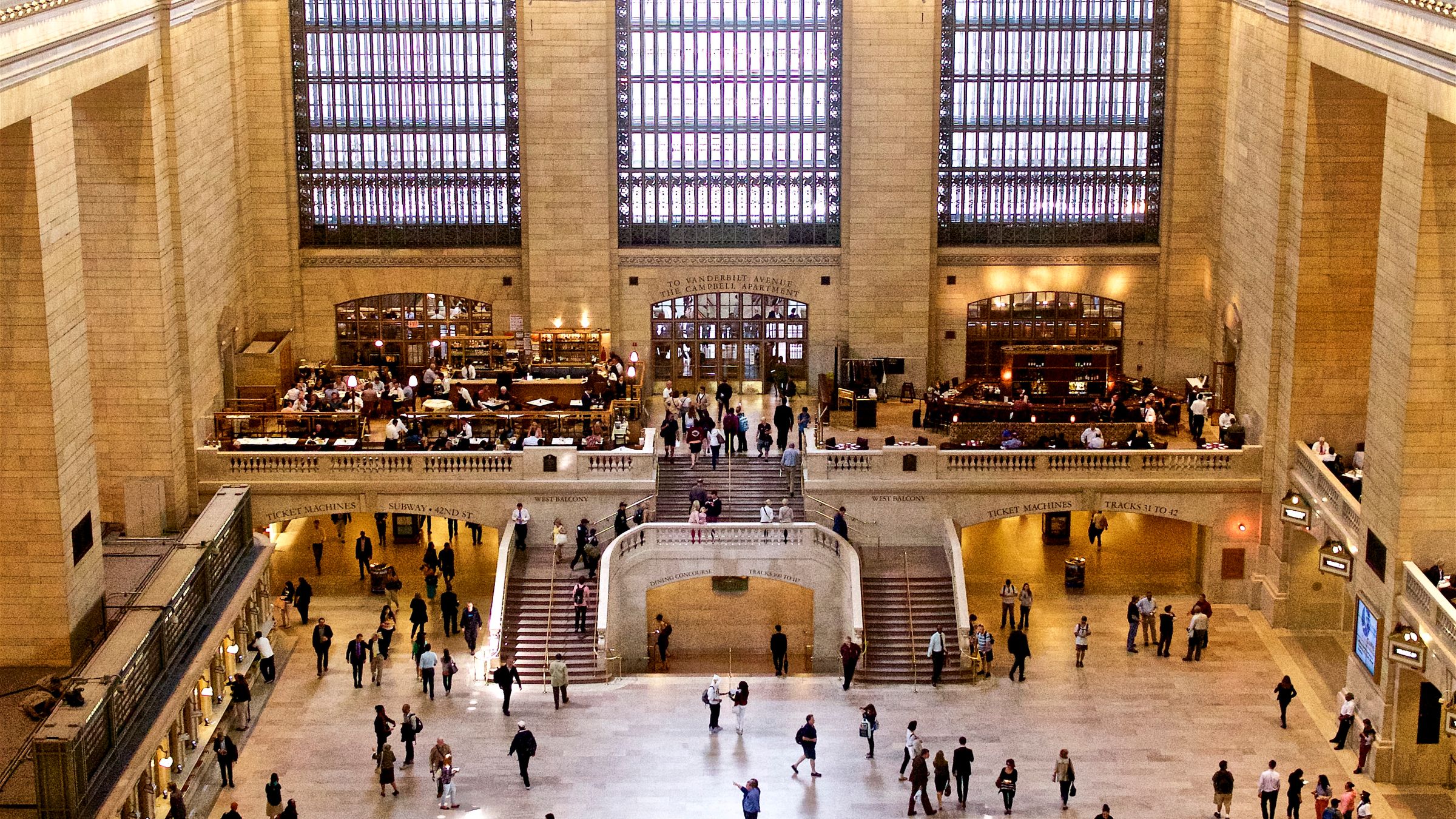
The Main Concourse of Grand Central Terminal. — Danazar
Why Grand Central Terminal Matters
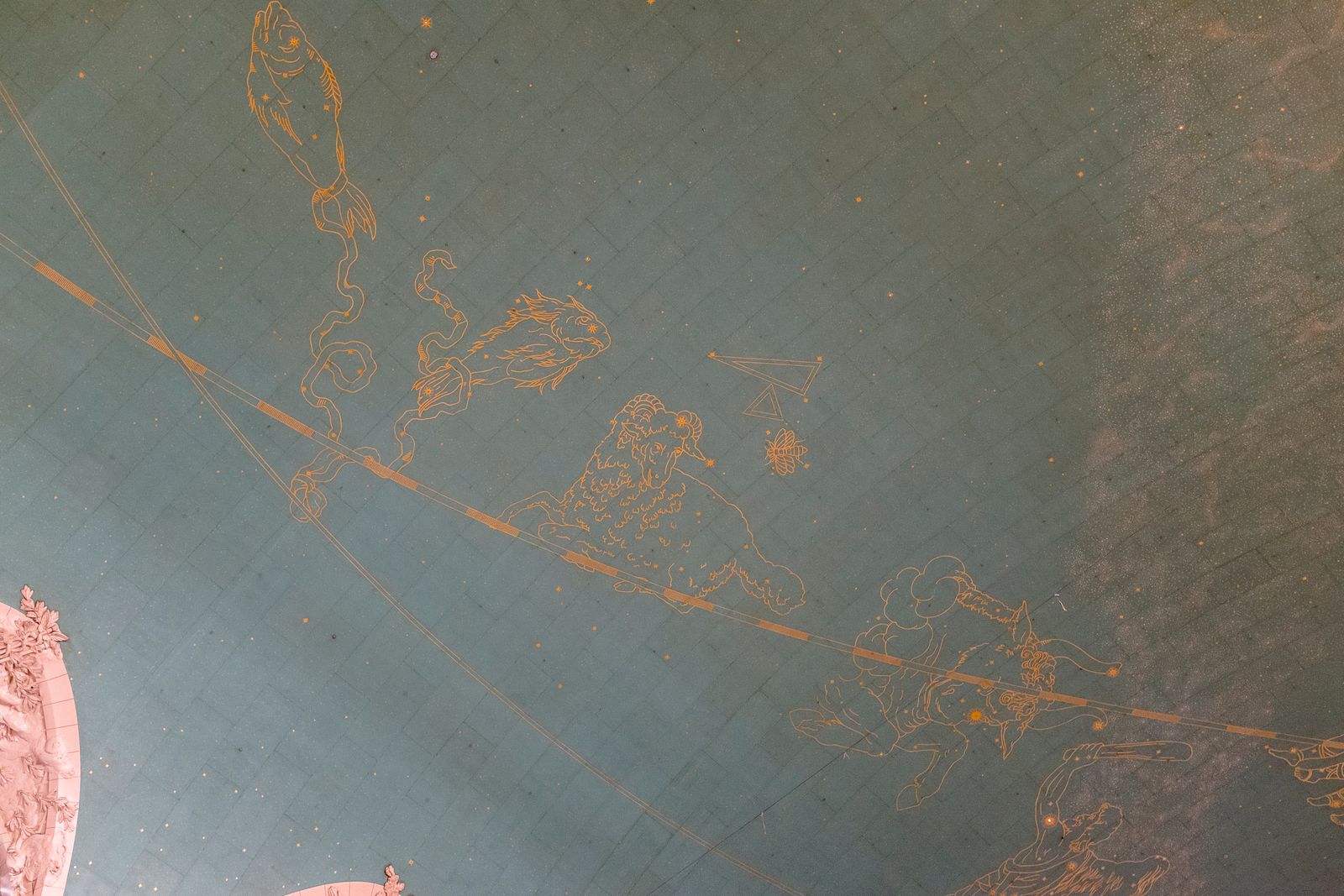
Grand Central Terminal is one of the world's great railroad stations and a Beaux-Arts masterpiece at the heart of Manhattan. Opened in 1913, its vast Main Concourse — crowned by a celestial ceiling of golden constellations — has welcomed generations of travelers beneath the largest network of platforms of any station on earth. Saved from demolition in a landmark preservation battle, it endures as both a working transit hub and a beloved civic monument, drawing millions who come simply to marvel at it.
By the Numbers
The Terminal
- Opened
- February 2, 1913
- Style
- Beaux-Arts
- Architects
- Reed & Stem; Warren & Wetmore
Records
- Platforms
- 44 platforms, 67 tracks — most of any station
The Concourse
- Ceiling
- Celestial mural, painted 'backwards'
The Facade
- Clock
- World's largest Tiffany glass clock; Mercury statue
Today
- Operator
- Metropolitan Transportation Authority
Timeline
- 1903Work begins on a new electrified terminal after a deadly tunnel collision.
- 1913Grand Central Terminal opens on February 2.
- 1913The Main Concourse and its celestial ceiling become instant icons.
- 1963Demolition of nearby Penn Station spurs a preservation movement.
- 1978The Supreme Court upholds New York's landmarks law, saving the terminal.
- 1998A major restoration is completed, reviving the terminal's grandeur.
Complete History
Grand Central Terminal was built by the New York Central Railroad to replace an earlier station on the site, and to capitalize on a bold engineering idea: electrifying the trains and burying the tracks underground, which freed the land above to become the valuable real estate of Park Avenue. Designed by the firms Reed & Stem and Warren & Wetmore in a grand Beaux-Arts style, it opened in 1913 after a decade of construction.
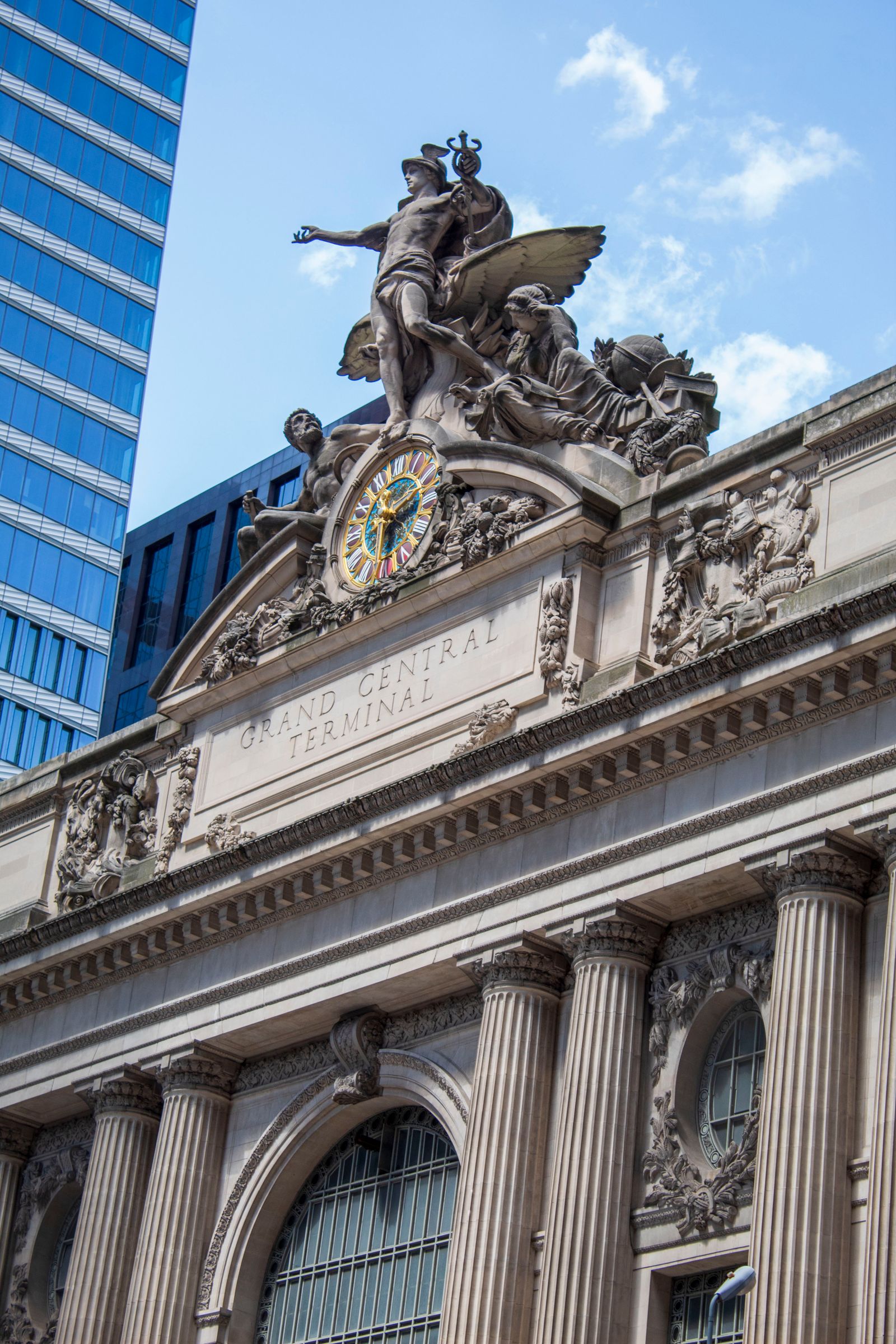
The terminal was an instant landmark. Its Main Concourse, one of the largest interior public spaces in the world, is famous for the greenish ceiling mural of the zodiac and constellations — rendered, as sharp-eyed visitors noticed, backwards. Above the grand 42nd Street facade sits a sculpture of Mercury flanked by Hercules and Minerva, and a Tiffany-glass clock said to be the largest example of Tiffany glass in the world. Below ground, 44 platforms and 67 tracks make it the largest train station in the world by that measure.
By the 1960s the terminal had fallen into decline and, like the demolished Pennsylvania Station, faced the wrecking ball. A public campaign to save it — championed by figures including Jacqueline Kennedy Onassis — led to a landmark 1978 Supreme Court decision upholding New York's preservation law. Restored in the 1990s to its original splendor, Grand Central remains a bustling commuter hub and one of the most visited destinations in New York City.
Historic Images
Interesting Facts
- With 44 platforms and 67 tracks, Grand Central has more platforms than any other railroad station in the world.
- The ceiling of the Main Concourse depicts the zodiac constellations — famously painted backwards, an 'error' the Vanderbilts reportedly explained as a divine, heavenly perspective.
- The four-faced brass clock atop the central information booth is one of the terminal's most recognizable and valuable features.
- The 42nd Street facade features a sculptural group of Mercury, Hercules, and Minerva above what is said to be the world's largest example of Tiffany glass.
- It is properly called Grand Central Terminal, not Station, because it is where the train lines end rather than pass through.
Visiting Today
- Hours
- Grand Central Terminal is open to the public daily, from early morning until late at night, as an active commuter rail hub. Its shops and restaurants keep their own hours.
- Admission
- There is no charge to enter and explore the terminal. Guided tours are available for a fee.
- Best time to visit
- Weekday rush hours show the terminal at its busiest and most dramatic; midday and weekends are calmer for photos of the Main Concourse.
- Nearby
- The Chrysler Building, the New York Public Library, Bryant Park, and Midtown Manhattan.
Stand on the balconies for the best view of the Main Concourse and its ceiling. Don't miss the 'whispering gallery' near the Oyster Bar, where the tiled arches carry a whisper across the room, and the four-faced clock at the information booth.
Frequently Asked Questions
When did Grand Central Terminal open?
Grand Central Terminal opened on February 2, 1913, built by the New York Central Railroad to replace an earlier station on the site.
Why is the Grand Central ceiling backwards?
The Main Concourse ceiling shows the zodiac constellations reversed. The reason is debated, but one popular explanation is that it depicts the sky as if seen from outside, from a divine point of view.
What is the difference between Grand Central Terminal and Station?
The building is properly called Grand Central Terminal because trains terminate there rather than passing through. 'Grand Central Station' technically refers to the nearby post office and subway station.
Can you visit Grand Central Terminal?
Yes. It is a working transit hub open to the public, and visitors are welcome to admire the Main Concourse, the ceiling, the clock, and its shops and dining, or take a guided tour.