19th Century · Missouri
Gateway to the West Historic District
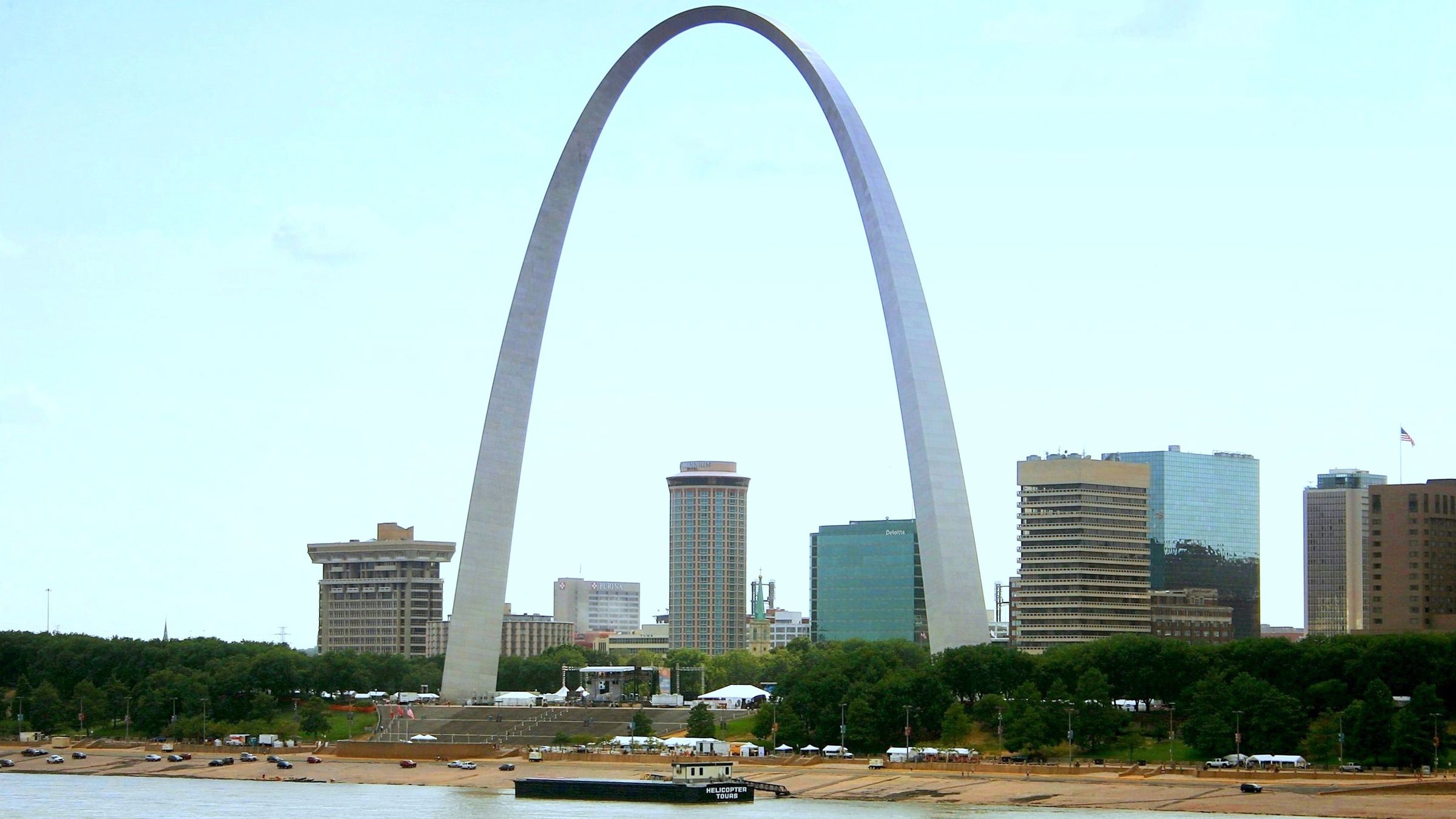
The Gateway Arch. — Roland Arhelger
Why Gateway to the West Historic District Matters
A national memorial to westward expansion built by demolishing the very 19th-century riverfront blocks that had made St. Louis a gateway to the West in the first place, preserving only a courthouse where an enslaved man once sued for his freedom.
By the Numbers
History
- Clearance
- Roughly 40 blocks of the original riverfront demolished in the 1930s-40s to build the memorial
- Old Courthouse
- Site of the Dred Scott trials, 1847 and 1850
- Preserved buildings
- Only the Old Courthouse and the Old Cathedral survive from the original riverfront
Architecture
- Arch designer
- Eero Saarinen, who won a 1947-48 national design competition
- Arch completed
- 1965
- Arch height
- 630 feet, the tallest man-made monument in the U.S.
Designation
- Designation
- Jefferson National Expansion Memorial (1935), redesignated Gateway Arch National Park (2018)
Timeline
- 1764St. Louis is founded as a French fur-trading post near the site
- 1847Dred Scott first files suit for his freedom at the Old Courthouse
- 1857The Dred Scott case reaches the U.S. Supreme Court, which rules against him
- 1935The Jefferson National Expansion Memorial is established, leading to demolition of the historic riverfront
- 1965The Gateway Arch is completed
- 2018Redesignated Gateway Arch National Park
Complete History
St. Louis grew from a French fur-trading post founded in 1764 into the primary jumping-off point for American westward expansion, a role that earned it the nickname 'Gateway to the West.' By the early 20th century, its original riverfront district had become a decaying warren of 19th-century warehouses and storefronts, and in 1935 the federal government designated the site the Jefferson National Expansion Memorial, authorizing the demolition of roughly 40 blocks to make way for a national monument.
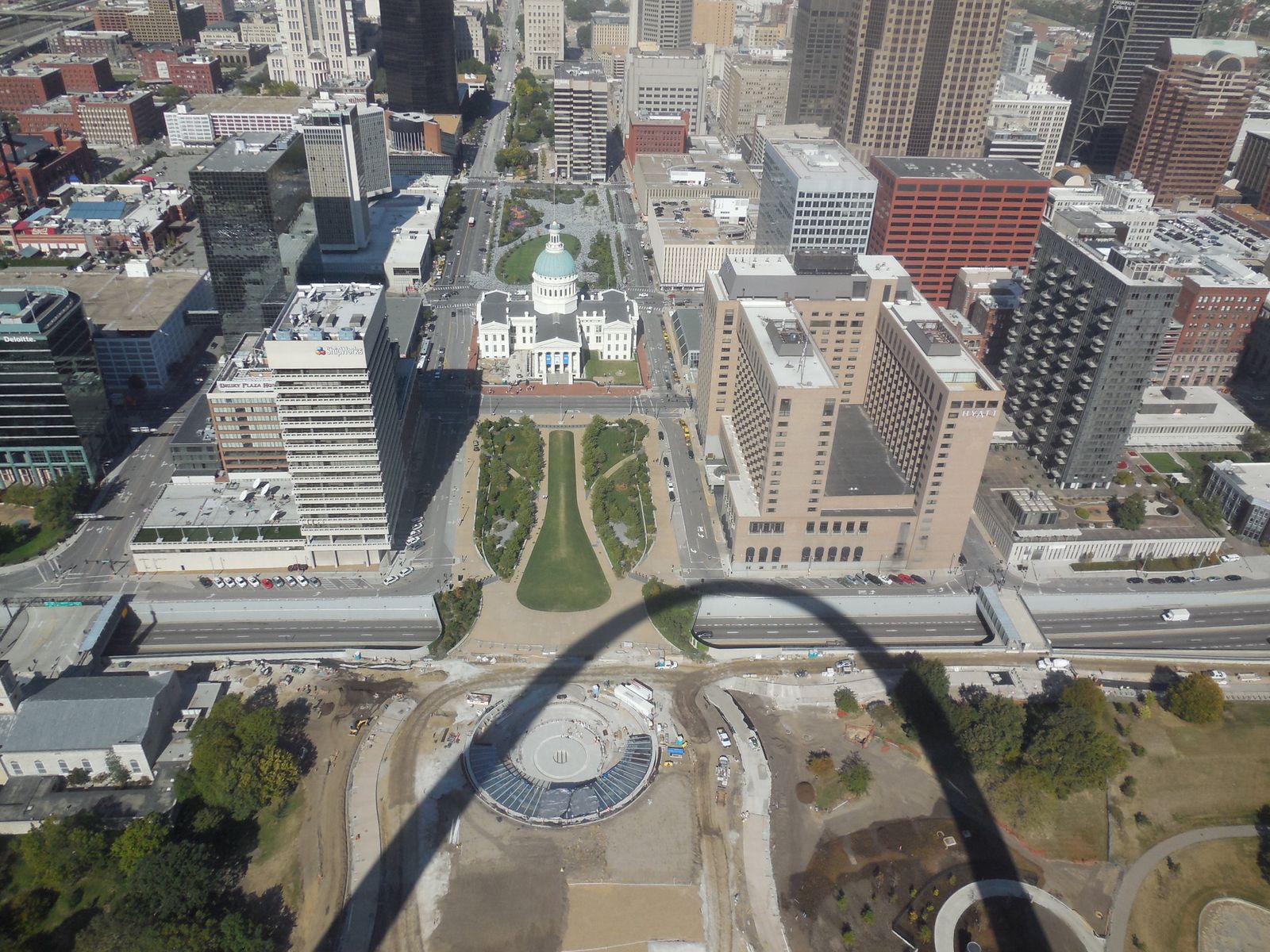
Only two buildings from the original riverfront survived the clearance: the Old Courthouse, where an enslaved man named Dred Scott first sued for his freedom in 1847, and the Basilica of St. Louis, King of France, known as the Old Cathedral. The Dred Scott case eventually reached the U.S. Supreme Court, which ruled against him in 1857 in a decision that inflamed sectional tensions ahead of the Civil War.
Architect Eero Saarinen won a national design competition in 1947-48 for the memorial's centerpiece, a soaring stainless steel catenary arch, though construction did not begin until 1963 and finished in 1965. At 630 feet, the Gateway Arch remains the tallest man-made monument in the United States. The site was redesignated Gateway Arch National Park in 2018, and a tram system inside the Arch's legs continues to carry visitors to an observation deck near its top.
Historic Images
Interesting Facts
- Roughly 40 blocks of St. Louis's original 19th-century riverfront were demolished in the 1930s and 1940s to build the memorial.
- The Gateway Arch, at 630 feet, is the tallest man-made monument in the United States.
- Architect Eero Saarinen designed the Arch after winning a national competition in 1947-48, but it wasn't completed until 1965.
- The Old Courthouse, one of only two buildings preserved from the original riverfront, was the site of the Dred Scott freedom trials.
- The site was renamed Gateway Arch National Park in 2018, decades after its original 1935 designation.
Visiting Today
- Hours
- Grounds open daily; tram and museum hours vary seasonally
- Admission
- Free grounds; paid tickets for the tram ride to the top
- Best time to visit
- Weekday mornings, to avoid tram lines
- Nearby
- Old Courthouse, Busch Stadium, Missouri Botanical Garden
Book tram tickets online in advance, especially in summer
Frequently Asked Questions
Why was so much of old St. Louis demolished?
In the 1930s and 1940s, civic leaders cleared roughly 40 blocks of the aging riverfront district to build a national memorial to westward expansion, a controversial decision that erased much of the city's original 19th-century core.
What is the Old Courthouse's connection to slavery?
It was the site of the Dred Scott trials in 1847 and 1850, in which an enslaved man sued for his freedom; the case eventually reached the U.S. Supreme Court, which ruled against him in 1857, a decision that helped precipitate the Civil War.
Who designed the Gateway Arch?
Architect Eero Saarinen won a national design competition in 1947-48, though construction of the 630-foot stainless steel arch wasn't completed until 1965.
Can visitors go to the top of the Arch?
Yes. A tram system inside the Arch's legs carries visitors to an observation deck near the top, offering views over the Mississippi River and downtown St. Louis.