20th Century · California
Balboa Park
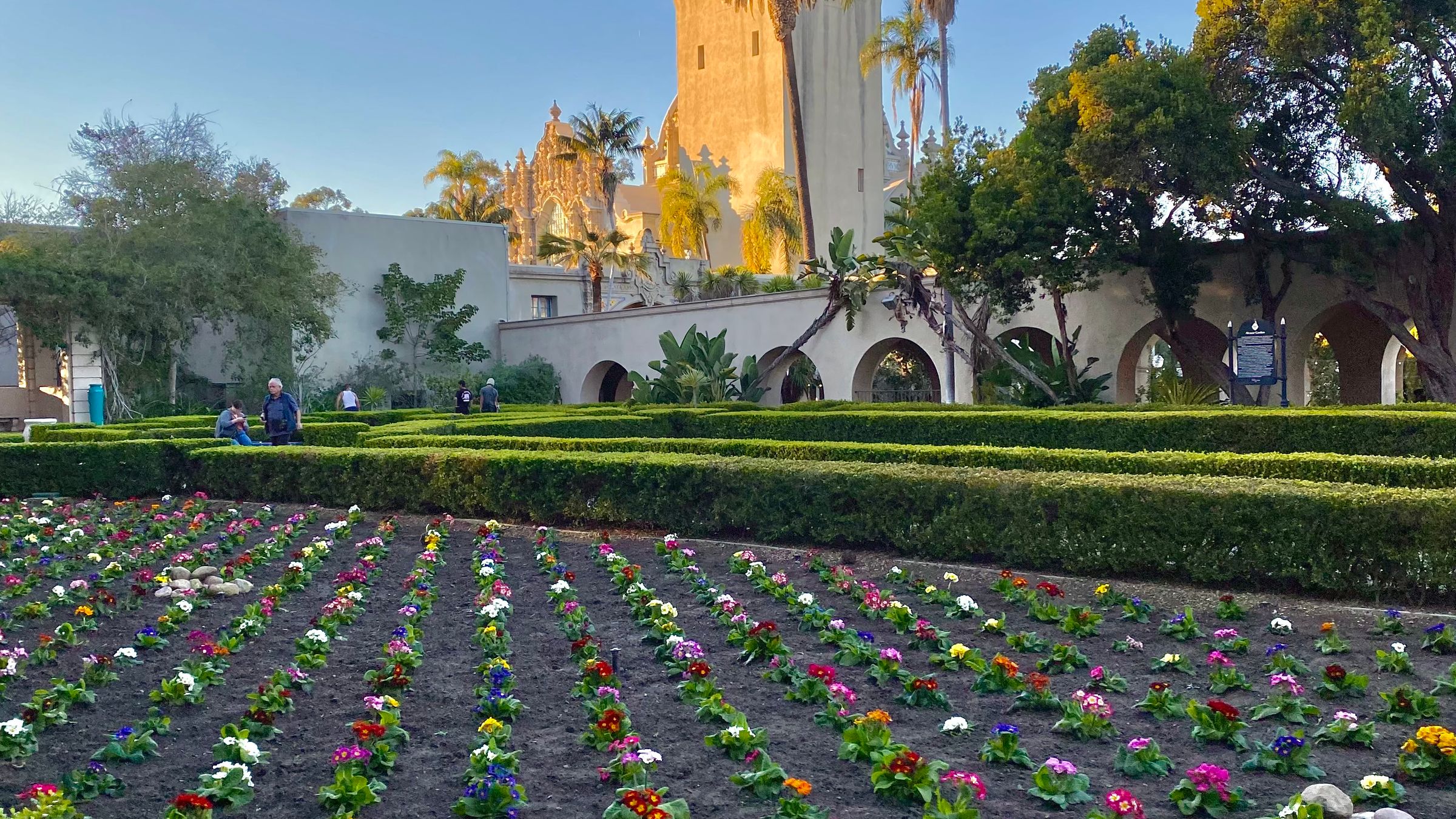
The California Tower and gardens. — Librarybell
Why Balboa Park Matters
A 19th-century civic park transformed by two World's Fair-style expositions into one of the largest urban cultural parks in the United States, and the unlikely birthplace of the San Diego Zoo.
By the Numbers
Founding
- Founded
- 1868 as 'City Park,' one of the earliest urban parks set aside in the U.S.
History
- Renamed
- Balboa Park, 1910, after explorer Vasco Nunez de Balboa
- Second exposition
- California Pacific International Exposition (1935-36) added more buildings
Architecture
- Style
- Spanish Colonial Revival, largely designed by Bertram Goodhue for the 1915 exposition
Culture
- Organ
- Spreckels Organ Pavilion houses one of the world's largest outdoor pipe organs, gifted 1914
Legacy
- Zoo origin
- The San Diego Zoo was founded in 1916 from animals left behind after the 1915 exposition
Scale
- Size today
- 17 museums and more than a dozen gardens across roughly 1,200 acres
Timeline
- 1868The City of San Diego sets aside land as 'City Park'
- 1910The park is renamed Balboa Park
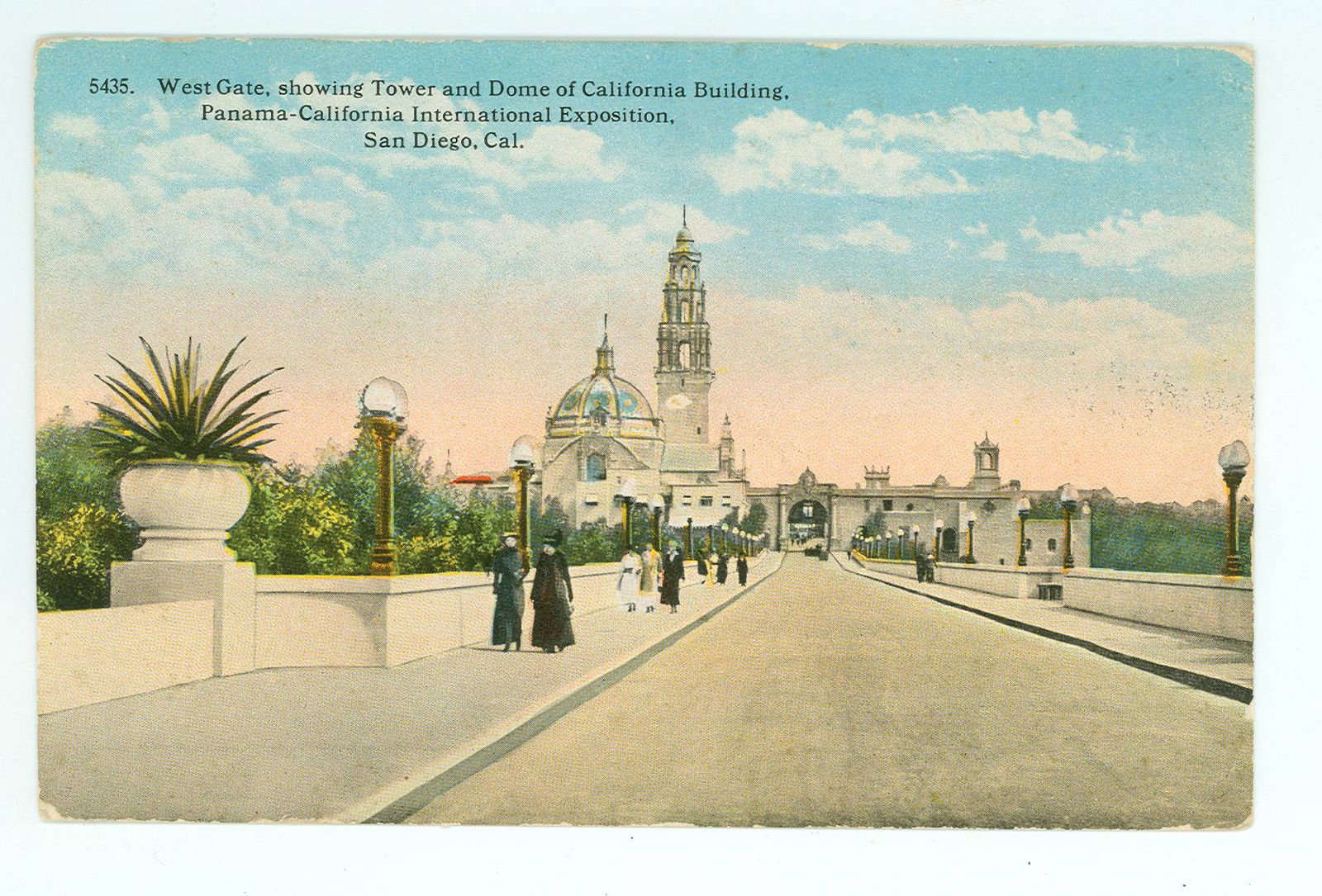
- 1915The Panama-California Exposition opens, filling the park with Spanish Colonial Revival buildings
- 1916The San Diego Zoo is formally founded from animals left after the exposition
- 1935The California Pacific International Exposition adds more buildings
- 1977Balboa Park is designated a National Historic Landmark
Complete History
San Diego set aside roughly 1,400 acres of undeveloped mesa land as 'City Park' in 1868, one of the earliest urban parks reserved anywhere in the country, decades before it had any of the buildings or gardens that define it today. The park was renamed Balboa Park in 1910, honoring the Spanish explorer Vasco Nunez de Balboa, in anticipation of a major exposition planned to celebrate the opening of the Panama Canal.
That exposition, the Panama-California Exposition of 1915-1916, gave the park its architectural identity: architect Bertram Goodhue designed sweeping Spanish Colonial Revival buildings meant to evoke California's Spanish and Mexican heritage, many intended only as temporary exposition structures but later rebuilt to last. When the exposition closed, the animals that had been displayed there were not relocated, and the collection became the founding stock of the San Diego Zoo, formally established in 1916.
A second fair, the California Pacific International Exposition of 1935-1936, added still more buildings during the Depression to draw tourism, further expanding the park's cultural footprint. Today Balboa Park spans roughly 1,200 acres and houses 17 museums, several performing arts venues including the Old Globe Theatre, and the Spreckels Organ Pavilion, a 1914 gift from the Spreckels family that houses one of the largest outdoor pipe organs in the world.
Historic Images
Interesting Facts
- The San Diego Zoo began with animals left behind after the 1915-16 Panama-California Exposition.
- Most of the park's iconic Spanish Colonial Revival buildings were built as temporary exposition structures, though many were later rebuilt to last.
- The Spreckels Organ Pavilion houses one of the largest outdoor pipe organs in the world.
- The park was established in 1868, decades before the expositions that gave it its architectural identity.
- Balboa Park spans roughly 1,200 acres and houses 17 museums.
Visiting Today
- Hours
- Park grounds open daily, 24 hours; individual museums vary
- Admission
- Free to enter the park; museums and the zoo charge separate admission
- Best time to visit
- Weekday mornings, to avoid crowds, especially at the zoo
- Nearby
- San Diego Zoo, Gaslamp Quarter, USS Midway Museum
A multi-museum pass saves money if visiting more than a couple of museums in one visit
Frequently Asked Questions
Why does Balboa Park look like a Spanish colonial city?
Its architecture was designed by Bertram Goodhue for the 1915-1916 Panama-California Exposition, which celebrated the opening of the Panama Canal with Spanish Colonial Revival buildings meant to evoke California's Spanish and Mexican heritage.
Is the San Diego Zoo part of Balboa Park?
Yes. It occupies land within the park and traces its origin to animals left behind after the 1915 exposition closed.
Were the exposition buildings meant to be permanent?
Many were originally built as temporary structures for the 1915 exposition, but their popularity led the city to rebuild several in permanent materials over subsequent decades.
What is the Spreckels Organ Pavilion?
A 1914 gift from the Spreckels family, it houses one of the largest outdoor pipe organs in the world and hosts free public concerts.